Are you a busy US gamer balancing work, family, and your passion for virtual worlds? This comprehensive guide on "cmo construir un pc gaming" is designed for you. Discover how to build a high-performance gaming PC that fits your lifestyle and budget, without the usual tech jargon or hype. We'll navigate component selection, budget-friendly strategies, and time-saving tips so you can enjoy fluid gameplay, connect with friends, and optimize your setup for maximum value and fun. Learn to tackle common setup issues, understand the latest 2026 gaming trends, and make smart upgrade decisions that keep you in the game longer. This article provides practical, actionable advice to enhance your gaming experience, ensuring you get the most out of every precious gaming moment.
What are the essential components for a gaming PC build?
For a gaming PC, you'll need a CPU (Processor), GPU (Graphics Card), Motherboard, RAM (Memory), Storage (SSD/HDD), Power Supply Unit (PSU), and a Case. These form the core of any functional gaming system.
How much RAM is recommended for modern gaming in 2026?
For modern gaming in 2026, 16GB of DDR4 or preferably DDR5 RAM is considered the minimum standard for smooth performance. For enthusiasts or those multitasking while gaming (streaming, multiple apps), 32GB is often recommended to prevent any bottlenecks.
What's the difference between an SSD and an HDD for gaming?
An SSD (Solid State Drive) uses flash memory for significantly faster load times and overall system responsiveness compared to an HDD (Hard Disk Drive), which uses spinning platters. For gaming, an NVMe SSD is crucial for installing your operating system and frequently played games to minimize loading screens.
Is a powerful CPU more important than a powerful GPU for gaming?
Generally, for gaming, the GPU (Graphics Card) is more critical than the CPU. The GPU handles the heavy lifting of rendering graphics, directly impacting frame rates and visual quality. A powerful GPU paired with a decent, but not necessarily top-tier, CPU often provides the best gaming performance.
Do I need a liquid cooler or is air cooling enough for my CPU?
For most gaming PCs, a quality air cooler is perfectly sufficient and often more cost-effective and reliable than liquid cooling. Liquid cooling (AIOs) is usually reserved for high-end CPUs, extensive overclocking, or for aesthetic reasons, providing only marginal performance benefits for typical use.
How can I ensure my gaming PC build is future-proof for new games?
To future-proof your gaming PC, focus on a mid-to-high-tier GPU, a capable CPU (like an Intel i7 or AMD Ryzen 7 equivalent), at least 32GB of fast DDR5 RAM, and a high-wattage, efficient PSU (750W-850W+). This provides a strong foundation capable of handling future upgrades and demanding titles for years to come.
What operating system should I install on my new gaming PC?
For a new gaming PC, Windows 11 is the recommended operating system. It offers the latest DirectX APIs, performance optimizations, and compatibility with the newest hardware and games, ensuring you have access to the best gaming experience available.
Are you a US gamer caught between the thrill of the latest titles and the demands of adult life? You're not alone. An impressive 87% of US gamers play regularly, often dedicating 10+ hours a week to their passion. But for many, especially those around 36 years old balancing careers and families, building a top-tier gaming PC can feel like an intimidating task, full of technical jargon and budget worries. You want a machine that delivers flawless performance, lets you connect with friends, and offers that sweet escape, but without the headache of endless research or overspending. This guide on "cmo construir un pc gaming" is your friendly roadmap to achieving that perfect balance.
Forget the hype and focus on what truly matters: a powerful, reliable gaming experience tailored to your life. We'll cut through the noise, offering practical, no-nonsense advice for navigating the world of PC components, managing costs, and optimizing your setup. Whether you're aiming for esports glory, exploring vast open worlds, or unwinding with social games, building your own PC can be incredibly rewarding. It provides value for money, allows for personalized performance optimization, and ensures you stay current with 2026's rapidly evolving gaming landscape, from mobile-PC cross-play to emerging VR experiences. Let's demystify the process and get you gaming on a rig you're proud of.
What is 'cmo construir un pc gaming' and why should I consider it?
"Cmo construir un pc gaming" translates directly to "how to build a gaming PC." It refers to the process of assembling a personal computer specifically designed and optimized for playing video games. Instead of buying a pre-built system, you select individual components like the CPU, GPU, motherboard, RAM, and storage, and then put them together yourself. This approach offers significant advantages for the discerning gamer.
The primary reasons to build your own are value, customization, and understanding. Building a PC often provides better performance for your dollar compared to pre-built systems because you avoid manufacturer markups on labor and unnecessary bloatware. You gain complete control over every component, allowing you to tailor performance to your exact gaming habits and aesthetic preferences. Plus, understanding how your machine works makes troubleshooting and future upgrades much simpler, empowering you as a tech-savvy gamer.
How do I pick the right components for my gaming PC?
Choosing the right components is the heart of "cmo construir un pc gaming." It's about balancing your gaming goals with your budget. Start with the CPU (Central Processing Unit) and GPU (Graphics Processing Unit), as these are the most crucial for gaming performance. For 2026, popular choices often include Intel's latest i5/i7/i9 or AMD's Ryzen 5/7/9 series for CPUs, paired with an NVIDIA RTX 40-series or AMD Radeon RX 7000-series GPU.
Next, select a compatible motherboard that supports your chosen CPU and offers enough slots for RAM (aim for at least 16GB DDR5 for modern gaming, 32GB is ideal) and M.2 NVMe SSD storage (500GB-1TB minimum for games, with a larger HDD for extra data). Don't forget a reliable Power Supply Unit (PSU) with enough wattage (e.g., 750W-850W for mid-range to high-end builds) and a case with good airflow to keep everything cool. Lastly, factor in a decent monitor (144Hz refresh rate is a game-changer) and comfortable peripherals.
What's a realistic budget for a gaming PC in 2026?
A realistic budget for "cmo construir un pc gaming" varies widely, but for a satisfying experience in 2026, you're generally looking at several tiers. A solid entry-level PC capable of 1080p gaming at high refresh rates might cost around $700-$1000. This tier often utilizes previous generation GPUs or current generation budget options, paired with a capable mid-range CPU.
For a mid-range system, capable of 1440p gaming or high refresh rate 1080p on Ultra settings, expect to spend $1200-$1800. This is the sweet spot for many gamers balancing performance and cost. High-end, future-proofed PCs for 4K gaming or competitive esports often start at $2000 and can go upwards of $3000+, featuring the latest CPUs, top-tier GPUs, and ample storage. Remember to allocate about 10-15% of your total budget for a monitor and peripherals.
Can I build a gaming PC with a family and job? (Time management focus)
Absolutely! Building a gaming PC, even with a busy schedule, is entirely feasible. The key is planning and breaking the process into manageable steps. You don't need to complete it in one marathon session. Most experienced builders can assemble a PC in 2-4 hours, but for a first-timer, plan for 6-8 hours spread across a few evenings or a weekend afternoon. Many gamers find the process itself a relaxing, skill-building hobby.
Start by researching components during your lunch break or after the kids are asleep. Order parts online at your convenience. When assembly time comes, set aside a few distraction-free hours. Follow a detailed video guide step-by-step. Don't rush, and take breaks. Once built, installing the operating system and drivers is another few hours. Think of it as a rewarding project that leads to many hours of relaxation and fun later on.
Where can I find reliable parts and deals for my PC build?
Finding reliable parts and scoring good deals is crucial when you're learning "cmo construir un pc gaming." For new components, major online retailers like Amazon, Newegg, and Best Buy are your best bet in the US. They offer wide selections, competitive pricing, and generally reliable customer service and warranties. Always check user reviews and product specifications carefully.
For even better value, consider exploring sales events like Prime Day, Black Friday, or Cyber Monday. Reputable PC hardware forums and subreddits (e.g., r/buildapcsales, r/hardwareswap) can also alert you to current discounts or offer a marketplace for gently used components. Just be cautious when buying used, and always use secure payment methods. Some component manufacturers also have direct storefronts with occasional deals.
What are common setup issues and how can I avoid them?
Even seasoned builders encounter a hiccup or two, so don't be discouraged! Common setup issues when building a gaming PC include:
- No display: This is often due to the monitor cable being plugged into the motherboard's integrated graphics port instead of the dedicated GPU, or loose RAM sticks.
- PC won't boot: Check all power connections (CPU, GPU, motherboard 24-pin), and ensure the front panel connectors (power switch, reset) are correctly seated.
- Overheating: Ensure CPU cooler is properly installed with thermal paste, case fans are oriented correctly for airflow (intake/exhaust), and cable management isn't blocking pathways.
- Driver problems: Always download the latest drivers for your GPU directly from NVIDIA or AMD's official websites, and ensure chipset drivers are updated from your motherboard manufacturer.
To avoid these, double-check every connection, consult your motherboard manual, watch a detailed video tutorial as you build, and test components incrementally if possible. Patience is your best tool here.
How do I optimize my PC for peak gaming performance?
Once you've mastered "cmo construir un pc gaming" and have your rig running, optimizing it is key to maximizing your fun. Here are quick tips:
- Update Drivers: Always keep your GPU drivers current.
- Game Settings: Adjust in-game graphics settings. Focus on resolution and texture quality first, then shadows and anti-aliasing.
- Background Apps: Close unnecessary programs and browser tabs while gaming to free up RAM and CPU cycles.
- Overclocking: If comfortable, safely overclock your CPU and/or GPU (with proper cooling) for a performance boost.
- Storage: Install games on your NVMe SSD for faster load times.
- Windows Optimization: Use Windows Game Mode, disable unnecessary startup programs, and ensure power settings are on 'High Performance'.
- Cooling: Monitor temperatures and ensure your case fans and CPU cooler are running efficiently. Good airflow prevents thermal throttling.
These adjustments can significantly improve frame rates and overall responsiveness, giving you that competitive edge or smooth cinematic experience.
What are the latest trends in PC gaming for 2026?
The PC gaming landscape in 2026 is vibrant and dynamic, reflecting the habits of today's gamers who value social connection and flexible play. We're seeing continued dominance of social and cozy games, allowing friends and families to connect across platforms. Free-to-Play (F2P) titles remain hugely popular, especially with Gen Z and Millennials, often funded by battle passes and cosmetic microtransactions rather than upfront purchases.
Esports viewing continues to grow, integrating deeply with streamer culture and platforms like Twitch and YouTube. VR experiments are becoming more accessible, with new headsets and compelling titles pushing immersion. Cross-play between PC, console, and even mobile is becoming standard, blurring the lines of where and how we game. Furthermore, with the rise of AI in gaming, expect more dynamic NPCs and adaptive storytelling. When considering "cmo construir un pc gaming," keep these trends in mind to build a future-ready machine.
When should I consider upgrading my gaming PC?
Knowing when to upgrade your gaming PC is a common question for value-conscious gamers. Generally, consider an upgrade every 3-5 years, or when specific pain points emerge. Signs it's time include:
- Struggling Frame Rates: If new games consistently run below 60 FPS even on medium settings at your preferred resolution.
- New Game Requirements: When a highly anticipated title lists minimum specs significantly higher than your current components.
- Technological Leaps: Major generational jumps in GPUs or CPUs that offer substantial performance per dollar.
- Component Failure: An aging part fails or becomes unreliable.
Often, a GPU upgrade provides the most significant performance boost for gaming. However, sometimes a CPU and motherboard upgrade is necessary to avoid a bottleneck. Prioritize components that directly impact your specific gaming habits and don't feel pressured to upgrade purely for hype; focus on tangible improvements to your experience.
Is building a PC really cheaper than buying pre-built?
In most scenarios, yes, building a PC yourself, or "cmo construir un pc gaming," tends to be more cost-effective than purchasing a comparable pre-built system. The primary savings come from avoiding the labor costs, assembly fees, and brand markups that pre-built manufacturers charge. You're essentially paying for parts at retail price, rather than parts plus services.
Moreover, building allows you to control where every dollar goes. You can prioritize components that matter most to your gaming (e.g., a powerful GPU) and save on less critical parts (e.g., a basic case or less RGB). While some pre-built deals, especially during major sales, can come close, the flexibility and component quality control you gain by building usually make it the superior value proposition for the informed gamer. It's an investment of time that pays off in both performance and savings.
Building your own gaming PC in 2026 is more accessible and rewarding than ever before. It's an empowering journey that puts you in control of your gaming destiny, allowing you to create a machine perfectly suited to your needs as a busy, passionate gamer. From navigating component choices to optimizing performance, the knowledge you gain will serve you for years to come, ensuring your precious gaming time is spent enjoying smooth, immersive experiences.
What's your biggest gaming challenge with your current setup? Comment below!
FAQ Section
Is building a PC hard for beginners?
No, building a PC is often compared to assembling LEGOs for adults. With abundant online video guides and clear manuals, most beginners can successfully build a PC in an afternoon, even with no prior experience. Patience and attention to detail are more important than technical skill.
How long do gaming PCs last?
A well-built gaming PC can last 5-8 years or more. While major components like the GPU might need upgrading after 3-5 years to keep up with demanding new games, the core system (CPU, motherboard, RAM, PSU) often remains viable for longer, offering excellent longevity.
Do I need special tools to build a PC?
You primarily need a Phillips head screwdriver. An anti-static wrist strap is recommended to protect components from static discharge, though many builders safely omit it by working on a non-conductive surface and regularly touching a grounded metal object.
Can I use my old hard drives in a new PC?
Yes, you can often reuse old hard drives (HDDs) or even SSDs in a new PC for extra storage, as long as they are physically compatible with your new motherboard (SATA connection). However, for the primary operating system and new games, it's highly recommended to use a new, fast NVMe SSD.
Is Wi-Fi built into gaming PCs?
Not always. Many gaming motherboards come with integrated Wi-Fi and Bluetooth, especially mid-to-high range models. However, some budget-friendly motherboards may not. Always check the motherboard's specifications. If not included, you can easily add a Wi-Fi adapter via a PCIe card or a USB dongle.
What is the most important part of a gaming PC?
While all components are essential, the Graphics Processing Unit (GPU) is generally considered the single most important part for gaming performance. It renders the visuals, directly impacting frame rates and graphical fidelity in games. Investing in a strong GPU provides the biggest boost to your gaming experience.
Build a gaming PC, component selection, budget optimization, performance tips, balancing gaming with life, 2026 gaming trends, PC upgrade strategy, DIY PC guide, how to build a gaming computer, custom PC setup, gaming hardware advice.
35

C Mo Montar Un PC Desde Cero En 2026 R Pido F Cil Y Seguro GEEKOM Como Montar Un PC.webp. C Mo Construir Un PC Gamer Gu A Completa 2026 Gu A Hardware Pc Gaming. Best Gaming PC Builds For 2026 Best Gaming PC Builds For 2026.webp. C Mo Armar Un PC Gamer Barato En 2026 Gu A Completa Para Jugar A 1080p Como Armar Un PC Gamer Barato En 2025.webp. C Mo Construir Un PC Gamer 4K Por Menos De 1 000 D Lares 3790741 Gaming Pc




Quale PC Gaming Scegliere Nel 2026 Zendia Zendia Pc Gaming Blog Cb70d7a7 6556 4c25 A230 . Build PC 2026 Per GTA VI Potenza Massima E Bolletta Minima Generated Images 6. The Best Gaming PC Builds For 2026 Top Picks And Reviews Best Pc Build . Come Scegliere Le Componenti Per Assemblare Un PC Gaming Nel 2026 Scegliere Componenti Per Assemblare Pc Gaming 2026.webp. Top 10 Best Desktop Computers 2026 For Home Office And Work Lenovo Legion Tower 7i 2026 High Performance Desktop Computer With RGB Lighting Featured In


C Mo Construir Una PC Gaming Econ Mica En 2024 Con ASUS Prime TUF 56c35b9c 61e3 0b92 8a67 . COMO ARMAR UNA PC GAMER En 2025 YouTube . Best PC Builds For Gaming 2026 Ultimate Guide To Building Your Dream Best PC Builds For Gaming 2026 1024x683 . Gu A De Compra 2025 C Mo Elegir El Mejor PC Gaming Gaming Stream Gear Guia Compra Pc Gaming 11 . Como Montar Um PC Gamer Gastando Menos Em 2026 Dicas Pr Ticas Antes De Como Montar Um Pc Gamer Gastando Menos Em 2026 Dicas Praticas Antes De Comprar Pecas 267x150



C MO MONTAR UN PC GAMING PASO A PASO Ryzen 7 9800X3D RTX 5080 PC . C Mo Armar Tu PC Gaming En Rep Blica Dominicana En 2026 DataImport Armar Tu PC Gaming 1. C Mo Construir Un PC Paso A Paso Como Armar Un Pc 1024x576 . De No Planificar Al Construir Un PC Gaming De No Planificar Al Construir Un Pc Gaming . COMO ARMAR UNA PC GAMER EN 2026 MEMORIA RAM Shorts Pcgamer Pcgaming Oardefault

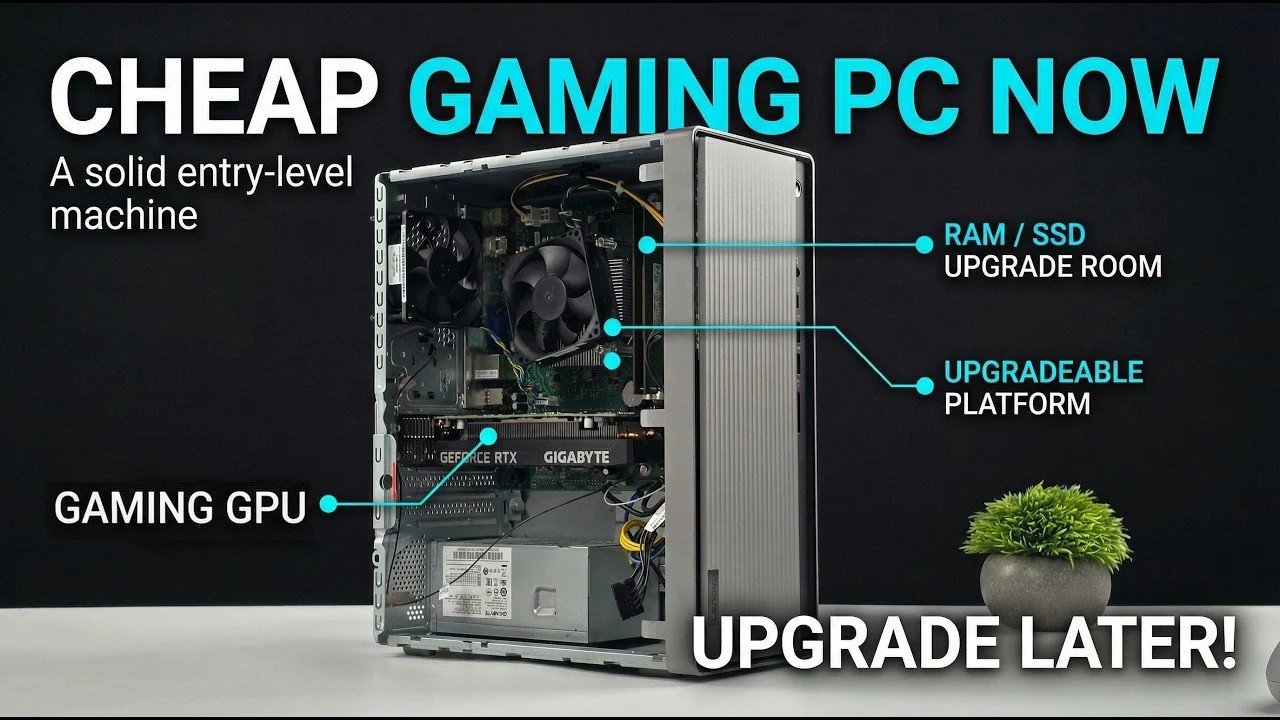
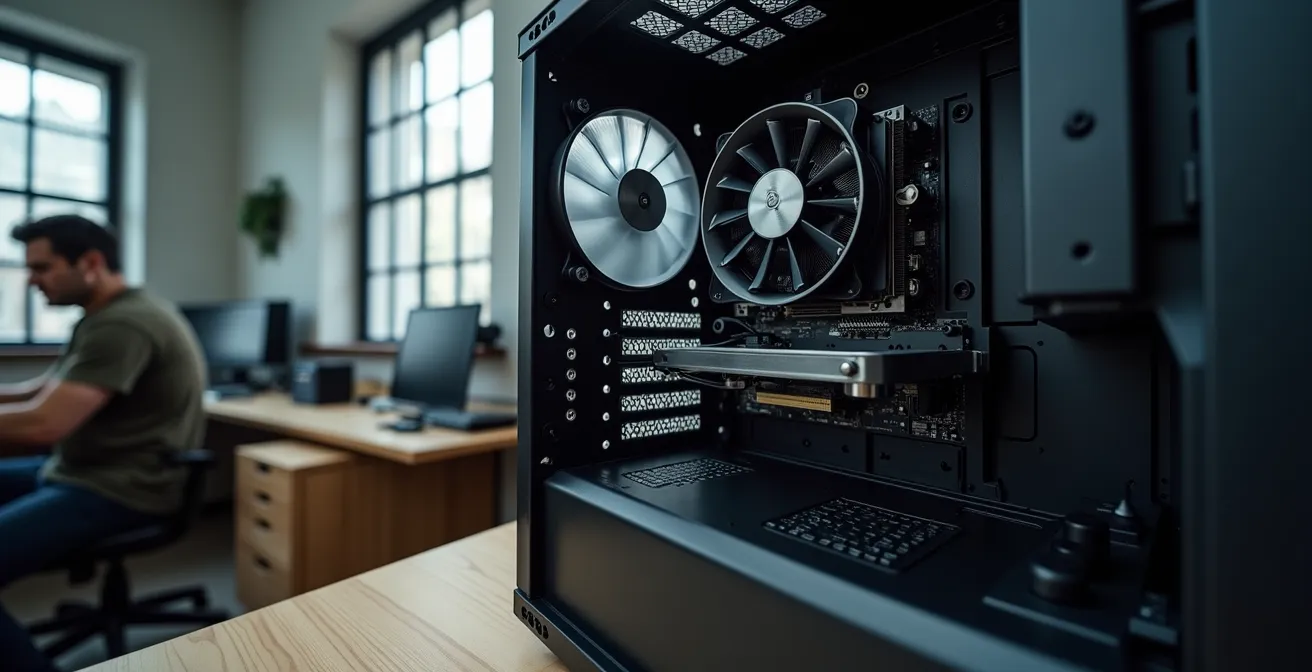
Cu Nto Tiempo Lleva Construir Una PC 2026 Gamezore How Long Does It Take To Build A Gaming Pc . The Ultimate Gaming PC Build 2026 Guide By Xidax 1 Unnamed . Gaming En 2026 Qu Componentes Importan De Verdad Y Cu Les Ya No 7921397b 763e 4f45 9001 . Como Construir Um PC Para Jogos De 350 Em 2026 Noti Cia Como Construir Um PC Para Jogos De 350 Em . C Mo Construir Un PC Equilibrado Evita Los 8 Fallos Que Destruyen El Componentes Gaming Espacio Caja Pc.webp
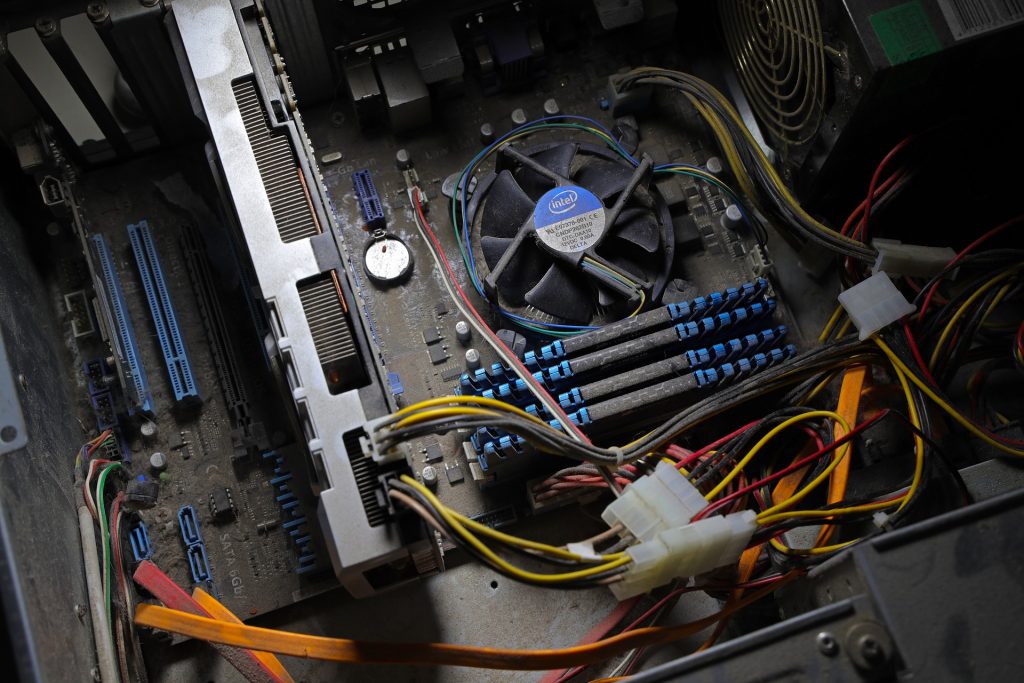

C Mo Un Samsung Puede Sustituir Un PC Gamer. C Mo Construir Un PC Gamer Gu A Completa 2026 Gu A Hardware Pc G84bc49922 1920 1024x683 . C Mo Construir Un PC Gaming Desde Cero Comunidad Blogger Gaming Pc With A Headset In The Compu 2024 08 22 21 58 31 Utc 1024x683 . Construir PC Gaming Expertos Te Gu An Paso A Paso Experto Pc Gaming Paso.webp. C Mo Construir Un PC Gamer Gu A Completa 2026 Gu A Hardware Como Construir Un Pc Gamer 1024x682

.jpg)


Tech Guided Tech Guides PC Builds Hardware Reviews Best Budget Gaming PC Builds For 2026.webp. Why PC Gaming Defines The Future Over Consoles In 2026 NoobFeed Pc Build (1) . COMO FABRICAR UN PC GAMER CON CAJA CART N RECICLADO PC GAMER . Montei Meu NOVO PC GAMER Pra 2026 Mesmo Em 2025 YouTube . Gu A R Pida Para Construir Un PC Gaming Eficiente Glowupgamer Como Tu Pc Gamer Con Modding Y Accesorios Unicos