Ever wondered what RPG gaming is all about but felt overwhelmed by the jargon and endless choices? This comprehensive guide demystifies role-playing games, helping busy US gamers like you understand the core mechanics, discover popular subgenres, and find titles that fit your schedule and playstyle. From epic single-player narratives to engaging multiplayer experiences on PC, console, or mobile, we cover how RPGs offer relaxation, skill-building, and social connection. Learn how to get started, balance gaming with life, and optimize your fun without breaking the bank or getting lost in hype. We address common pain points like game setup, performance issues, and finding the best value, ensuring you can dive into rich worlds and build memorable characters efficiently. Discover why 87 percent of US gamers regularly play, averaging over 10 hours a week, and how RPGs fit into today's diverse gaming landscape.
What is an RPG game in simple terms?
An RPG game, or Role-Playing Game, is a video game where you take on the role of a fictional character. You make choices for this character, develop their skills, and guide them through a story or world, much like being the star in your own interactive movie or book.
How do I start playing an RPG game?
To start playing an RPG, choose a game that looks interesting, check its system requirements (if on PC), and just dive in! Most RPGs have tutorials for beginners. Focus on learning the basic controls and objectives first. Don't be afraid to experiment with character choices; you can always try again or find tips online.
What are some popular types of RPGs?
Popular types include Action RPGs (ARPGs) like Diablo, where combat is fast-paced; Japanese RPGs (JRPGs) such as Final Fantasy, known for rich stories and often turn-based combat; Western RPGs (WRPGs) like The Elder Scrolls, offering open worlds and player choice; and Massively Multiplayer Online RPGs (MMORPGs) like World of Warcraft, for playing with thousands online.
Why are RPG games so immersive?
RPGs are highly immersive because they often feature deep narratives, detailed worlds, and significant player choice. You literally become the character, and your decisions can shape the story and world, creating a strong personal connection. Character progression also gives a rewarding sense of growth and accomplishment.
Can RPGs be played casually?
Yes, many RPGs can be played casually! While some have long campaigns, there are numerous mobile RPGs and co-op titles designed for shorter play sessions. Look for games with flexible quest structures, easy-to-use save systems, or those emphasizing quick progression, allowing you to enjoy the experience even with limited time.
What makes a good RPG story?
A good RPG story typically features compelling characters, engaging plot twists, and meaningful choices that impact the narrative. It often includes rich lore, strong world-building, and emotional depth, drawing players into the character's journey and making them care about the outcomes.
Are there any free RPG games worth playing?
Absolutely! Several high-quality free-to-play RPGs offer hundreds of hours of content. Top examples include Genshin Impact, known for its vast open world and elemental combat; Honkai Star Rail, a turn-based strategy RPG; and Path of Exile, a complex action RPG with deep customization. These titles provide immense value without an upfront cost.
Are you a busy adult balancing work, family, and life, yet still craving that immersive escape only gaming can provide? Do you hear friends excitedly talk about 'RPGs' and wonder what all the fuss is about, or maybe feel a pang of longing for deep, character-driven adventures but fear they demand too much time or technical know-how? You are not alone. Many US gamers, especially those around age 36, struggle to find titles that respect their limited hours while still offering rich experiences. In fact, while 87 percent of US gamers play regularly, often logging over 10 hours a week, finding the right game that fits your lifestyle is crucial. This guide cuts through the confusion, helping you understand what RPG gaming is, why it's so popular, and how to find your perfect adventure without the usual headaches. We're here to offer practical solutions, game recommendations for limited time, tips for optimizing your setup on a budget, and ways to connect with fellow players, ensuring your gaming time is truly rewarding.
We understand you value relaxation, fun, skill-building, social play, and getting good value for your money. You want to stay current without drowning in hype. This article is designed to be your trusted friend in the gaming world, offering clear, actionable advice to help you dive into the fantastic realm of RPGs. Let's explore what makes these games so special and how you can make them work for you, no matter how packed your schedule is.
What Exactly is RPG Gaming?
At its core, RPG gaming, or role-playing game gaming, is a genre where players assume the role of a fictional character in a defined world. You get to make choices, develop your character's skills and abilities, and influence the narrative. Think of it as interactive storytelling where you are the protagonist. Unlike many action games focused purely on reflexes, RPGs often emphasize strategy, character progression, and narrative depth. This deep engagement is a key reason for their enduring popularity among US gamers looking for more than just a quick adrenaline rush. Many players find stress relief and a strong sense of accomplishment in building their characters and seeing their decisions impact the game world.
Historically, RPGs evolved from tabletop games like Dungeons & Dragons, transitioning into digital formats on early computers and consoles. Today, they span across all platforms, from mobile devices that dominate casual play to powerful PCs and next-gen consoles, offering incredibly diverse experiences. The beauty of modern RPGs is their flexibility; you can find everything from quick mobile sessions to epic sagas.
Why Do Gamers Love Role-Playing Games So Much?
Gamers are drawn to RPGs for several compelling reasons, hitting on core desires that busy adults often seek in their downtime. Firstly, the immersion factor is huge. You don't just play a character; you become them, making decisions that shape their journey and the world around them. This narrative depth provides a powerful escape from daily life, offering a chance to explore fantastical realms or intricate sci-fi futures. Many RPGs offer hundreds of hours of content, providing immense value for money.
Secondly, RPGs offer significant personal growth and skill-building. You manage resources, strategize combat, solve puzzles, and develop unique character builds. This constant problem-solving can be incredibly satisfying and even transfer cognitive skills to real-world challenges. For those who value skill-building, the progression systems in RPGs offer clear metrics of improvement. Lastly, social connection plays a vital role. Many modern RPGs, particularly MMORPGs, facilitate rich online communities where players team up, forge friendships, and experience adventures together, echoing the growing trend of social gaming prevalent among today's gamers.
How Do RPGs Differ From Other Game Genres?
RPGs stand apart from other popular genres through their emphasis on character progression, narrative choice, and typically, a slower, more strategic pace. While an action game like Call of Duty focuses on fast-paced combat and reflexes, an RPG like Elden Ring or Baldur's Gate 3 prioritizes building your character's stats, choosing dialogue options, and experiencing a branching storyline. Sports games are about competitive simulation, and puzzle games test logic, but RPGs combine elements of adventure, combat, and often social interaction within a rich lore.
Key differentiators include:
- Character Development: Your character grows, learns new skills, and acquires better gear over time.
- Story and Choices: Narrative often takes center stage, with player choices frequently impacting outcomes.
- Exploration: Many RPGs feature vast worlds ripe for discovery, hidden secrets, and side quests.
- Customization: From appearance to playstyle, you usually have extensive control over your character's identity.
This depth means that while setup might seem daunting, the payoff in terms of sustained engagement and replayability is often higher, making it a great investment for time-conscious gamers.
What are the Main Types of RPGs Available Today?
The RPG genre is incredibly diverse, offering something for every preference. Here are some of the most popular subgenres:
- Western RPGs (WRPGs): Known for player freedom, deep lore, and choice-driven narratives (e.g., The Elder Scrolls, Fallout, Cyberpunk 2077).
- Japanese RPGs (JRPGs): Often feature linear stories, turn-based combat, and stylized art (e.g., Final Fantasy, Persona).
- Action RPGs (ARPGs): Blend RPG elements with real-time combat, focusing on loot and quick action (e.g., Diablo, Path of Exile).
- Massively Multiplayer Online RPGs (MMORPGs): Huge persistent online worlds with thousands of players (e.g., World of Warcraft, Final Fantasy XIV).
- Tactical RPGs (TRPGs): Emphasize strategic grid-based combat (e.g., Fire Emblem, XCOM).
- Mobile RPGs: Tailored for on-the-go play, often free-to-play with gacha mechanics (e.g., Genshin Impact, Honkai Star Rail).
Understanding these types can help you narrow down your search and find games that truly resonate with your preferred style of play, whether you have hours or just minutes to spare.
How Can Busy Gamers Get Started with RPGs and Manage Their Time?
Jumping into an RPG might seem daunting when you only have an hour or two a night, but it's totally manageable. Here's how:
- Start with Accessible Titles: Look for RPGs known for good onboarding or shorter campaigns. Many mobile RPGs offer excellent bite-sized experiences.
- Set Clear Playtime Goals: Decide before you start playing how long your session will be. Even 30-minute bursts can achieve progress in most RPGs.
- Prioritize Main Quests: If time is tight, focus on the core story initially. Side quests can be tackled later or skipped.
- Utilize Quick Saves/Pauses: Modern RPGs often have robust save systems. Pause and save frequently so you can pick up exactly where you left off.
- Embrace Co-op/Social RPGs: Games like Genshin Impact or even MMORPGs offer flexible group play. You can join friends for a specific objective without committing to endless hours alone. Social gaming is a huge trend, with Discord communities thriving around many RPGs.
- Consider Cloud Gaming: For budget-conscious gamers or those with less powerful hardware, cloud gaming services can let you jump into demanding RPGs without a hefty upfront investment in a new PC or console.
Remember, gaming should be relaxing, not another chore. Finding a rhythm that fits your life is key to enjoying RPGs without feeling overwhelmed.
What are Some Budget-Friendly Ways to Enjoy RPGs?
You don't need to spend a fortune to enjoy the best of RPG gaming. Here's how to get great value:
- Free-to-Play (F2P) RPGs: Games like Genshin Impact, Honkai Star Rail, and Path of Exile offer hundreds of hours of high-quality content for free. While they have in-game purchases, you can enjoy much of the experience without spending a dime.
- Subscription Services: Xbox Game Pass and PlayStation Plus include many excellent RPGs in their rotating libraries for a monthly fee. This is a great way to try multiple titles without buying each one.
- Sales and Bundles: Keep an eye on digital storefronts (Steam, Epic Games Store, console stores) for frequent sales. Humble Bundle and similar sites often offer great deals on RPG collections.
- Older Classics: Many older, highly-rated RPGs are now available at very low prices or even free on abandonware sites (for legitimate classic titles). They often run well on older hardware too.
- Mobile RPGs: A vast number of high-quality RPGs are available on mobile, many of which are free or inexpensive. With mobile gaming leading in player numbers, it's an accessible entry point.
Smart spending means you can experience epic narratives and deep gameplay without breaking your budget, a crucial point for gamers balancing household finances.
How Can I Maximize Performance and Avoid Setup Issues for RPGs?
Performance problems and setup woes can quickly kill the fun of a new RPG. Here's how to minimize them:
- Check System Requirements: Before buying, always compare the game's minimum and recommended specs with your PC's hardware. For consoles, ensure you have enough storage.
- Update Drivers: Keep your graphics card (NVIDIA, AMD, Intel), sound card, and operating system drivers updated. This is often the fix for common performance issues.
- Optimize In-Game Settings: Don't just blindly max out settings. Start with recommended settings and adjust gradually. Reducing shadows, anti-aliasing, and texture quality can significantly boost frame rates without a huge visual hit.
- Monitor Temperatures: Overheating can cause performance throttling. Ensure your PC has good airflow, and consider cleaning out dust regularly. Laptops should be used on hard, flat surfaces.
- SSD is King: If you're on PC, an SSD (Solid State Drive) dramatically reduces loading times, a massive quality-of-life improvement for large RPGs.
- Community Forums: If you encounter specific bugs, game forums or subreddits are invaluable resources. Chances are, someone else has faced and solved the same problem.
A smooth gaming experience allows you to fully immerse yourself in the RPG world, making your precious gaming time more enjoyable and less frustrating.
What are the Latest Trends in RPG Gaming in 2026?
The RPG landscape is constantly evolving, and 2026 sees several exciting trends shaping how we play:
- Cross-Platform Play: More RPGs are supporting seamless play across PC, console, and even mobile. This allows friends to game together regardless of their preferred device, reflecting the rise of cross-play among US gamers.
- AI-Driven NPCs: Advances in AI are leading to more dynamic and reactive non-player characters, creating more believable and emergent storytelling experiences.
- Procedural Generation with Purpose: While procedural generation has been around, developers are now using it more intelligently to create vast, unique worlds that still feel handcrafted and meaningful.
- Social & Cozy RPGs: Beyond competitive titles, there's a growing demand for 'cozy' RPGs focused on community building, farming, crafting, and laid-back social interaction, appealing to those seeking stress relief.
- Creator and Streamer Influence: Content creators continue to heavily influence game popularity, with many RPGs gaining traction through Twitch streams and YouTube Let's Plays. Developers are increasingly engaging with these communities.
- VR Experiments: While still niche, VR RPGs are becoming more sophisticated, offering unparalleled immersion for those willing to invest in the hardware.
Staying abreast of these trends can help you discover innovative new ways to experience RPGs and connect with the broader gaming community.
Conclusion
So, what is RPG gaming? It's a vast, rich, and rewarding genre that offers deep immersion, personal growth, and endless adventures for gamers of all types. Whether you're a seasoned veteran or just curious, there's an RPG out there perfect for your lifestyle, even if you're balancing a busy schedule. By understanding the basics, managing your time smartly, and leveraging budget-friendly options, you can dive into incredible worlds and create unforgettable stories. The genre is more accessible and diverse than ever, ready to provide that perfect escape and sense of accomplishment.
What's your biggest gaming challenge? Comment below! Are you struggling to find time, or looking for a specific game recommendation? Let's talk!
FAQ Section
What is the easiest RPG for beginners?
For beginners, 'Stardew Valley' offers a gentle introduction to RPG elements like skill progression and relationship building in a cozy, low-stress farming simulator. For a more traditional fantasy, 'The Witcher 3: Wild Hunt' (on easier difficulties) or 'Skyrim' are often recommended for their engaging stories and accessible mechanics.
Can I play RPGs on my phone?
Absolutely! Mobile RPGs are a massive segment of the gaming market. Titles like 'Genshin Impact', 'Honkai Star Rail', and 'RAID Shadow Legends' offer console-quality graphics and deep gameplay experiences. Many classic RPGs have also been ported to mobile devices, providing immense variety.
Are all RPGs turn-based?
No, not all RPGs are turn-based. While many classic JRPGs and tactical RPGs feature turn-based combat, action RPGs like 'Diablo' or 'Elden Ring' use real-time combat. Western RPGs often blend real-time exploration with pause-and-play tactical combat or direct real-time action.
What's the difference between an RPG and an MMORPG?
An RPG is a broad genre where you play a character. An MMORPG (Massively Multiplayer Online Role-Playing Game) is a *type* of RPG specifically designed for thousands of players to interact simultaneously in a persistent online world. While single-player RPGs focus on your solo journey, MMORPGs emphasize social interaction, cooperative play, and community building.
Do RPGs require a lot of time investment?
Some RPGs, especially epic single-player or MMORPGs, can demand significant time. However, many modern RPGs offer shorter campaigns, mobile-friendly designs for quick sessions, or flexible quest structures. It's possible to enjoy the genre even with limited gaming hours by choosing the right titles and setting realistic play goals.
Is it possible to play RPGs with friends?
Yes! Many RPGs offer multiplayer experiences. MMORPGs are built around group play, while many co-op RPGs allow you to adventure with a few friends. Even some single-player focused RPGs have online elements or community aspects that foster social interaction. Cross-play functionality is also making it easier than ever to connect with friends across different platforms.
Role-playing game fundamentals, character development, story rich gameplay, tactical combat, social interaction in RPGs, time management for busy gamers, budget friendly RPG options, popular RPG genres, mobile and cross-play RPG trends, finding your ideal RPG experience, optimizing game performance, community building through RPGs.
35



A New Era Dawns Upcoming RPG Games For 2026 GameBells Rppg 1 . TOP 21 NEW Upcoming RPG Games Of 2026 YouTube . The 2026 RPG Manifesto How Genre Blurring Saturation Redefined The The 2026 RPG Manifesto . The Most Anticipated Upcoming Classic RPG Games In 2026 YouTube . Top 20 NEW RPGs That Will DOMINATE 2026 YouTube

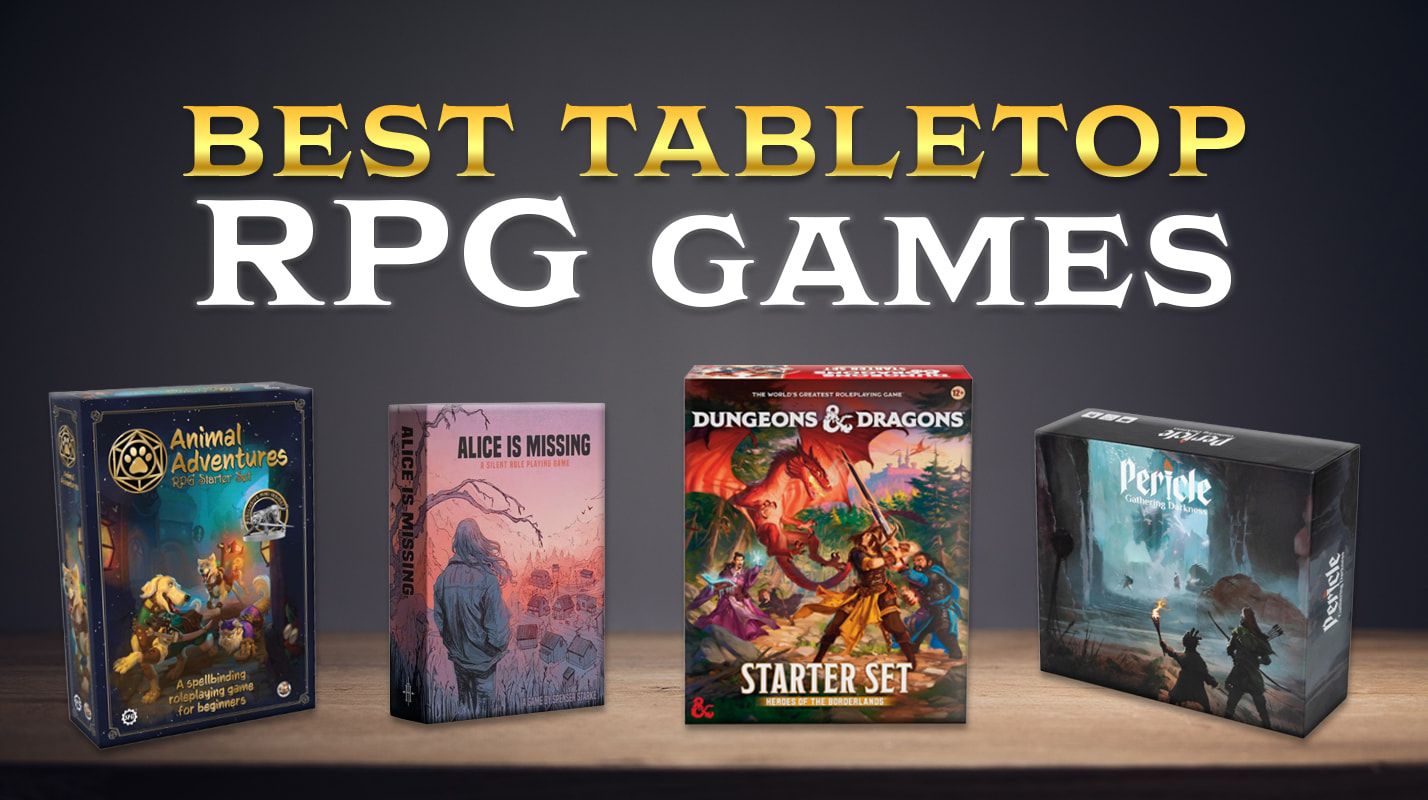

Don T Miss Out On These RPG Games Releasing In 2026 Driffle Dont Miss Out On These RPG Games Releasing In 2026 1024x418 . Top 10 Most Anticipated Games Of 2026 Biggest Upcoming Game Releases . Top Upcoming Open World RPG Games 2025 2026 Top Upcoming Open World RPG Games To Look Forward To In 2025 2026 . 10 Best Tabletop RPG Games Ultimate TTRPG Guide 2026 Best Tabletop Rpg Games . Top 13 NEW RPGs That Will DOMINATE 2026 YouTube

Les 7 Meilleurs RPG Faire Absolument En 2026 PC Consoles Meilleurs Jeux RPG 2026 1024x572 . 6 Game Open World RPG Terbaik Yang Wajib Kamu Mainkan Di Tahun 2026 2026 02. Top 13 RPG Android Games You MUST PLAY In 2026 Most Played RPG Games . BEST RPG GAMES Of January 2026 TOP 10 GAMES YouTube . RPG Maker Festival 2026 Opens Award Nominations RPG Maker Festival Award 2026


Idle RPG Games 2026 Top Picks For Effortless Adventure Updated Idle RPG Games 2025 Top Picks For Effortless Adventure . 7 Must Play RPGs Coming In 2026 Untitled Design 4 . Online Multiplayer Vs RPG Which Should You Play In 2026. Wccftech S Most Anticipated Role Playing Games Of 2026 Legends And Wccftechs Most Anticipated RPGs 2026 Scaled . The 10 Best RPG Games With Female According To Metacritic 2026 Video Game Release Dates Post Feature Image


5 Most Anticipated RPGs To Play In 2026 Deltia S Gaming The Most Anticipated RPGs Role Playing Games For 2026 Image Via Koei Tecmo S Game Square Enix . 10 MMORPG Next Gen Paling Dinanti Di 2026 Siap Siap Ganti HP 2025 11. Best Story Driven RPG Games On Steam LRDev Games 1.Best Turn Based RPG Games On Steam.webp. Top 10 Most Anticipated Games Of 2026 What To Watch Out For TVN GAMES IN 2026 . RPGs With The Best Combat Systems Cheat Code Central Upcoming Rpgs 2026

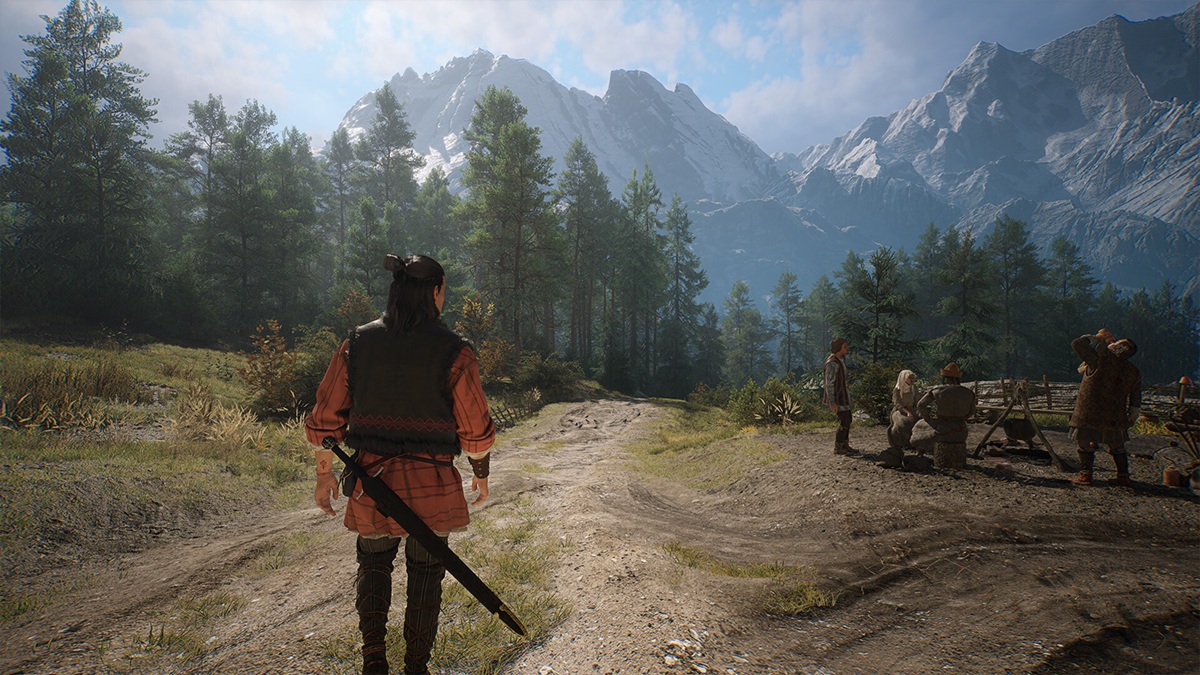

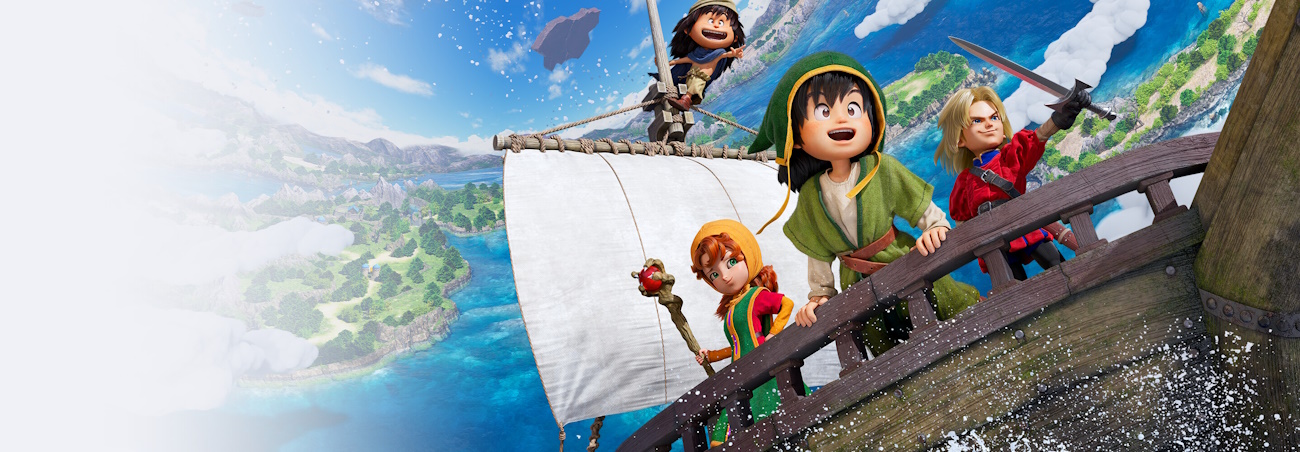
9 Best RPG Game Releases To Look Forward To In 2026 Phrasemaker 9 Rpg Games Releases 2026 . The RPGs Of 2026 Every RPG And Their Release Dates RPG Site 2025 Big . 2026 S Most Promising Upcoming PS5 RPG Looks Stunning So Far The Blood Of Dawnwalker Ps5 Rpg . 10 Best RPGs To Look Forward To In 2026 Gaming Net Your Paragraph Text 2025 12 1536x864 . The RPGs Of 2026 Every RPG And Their Release Dates RPG Site 2026 02
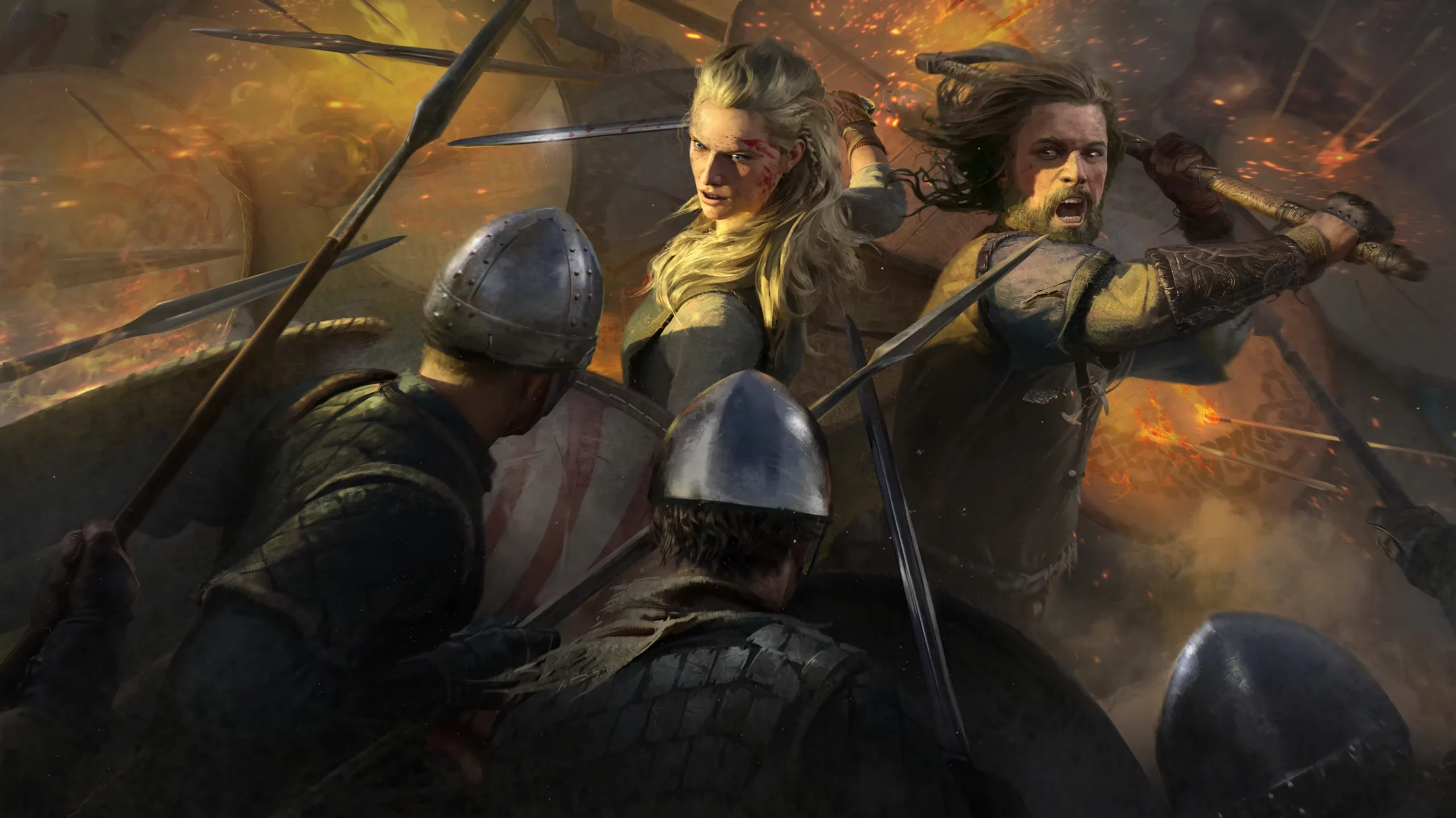
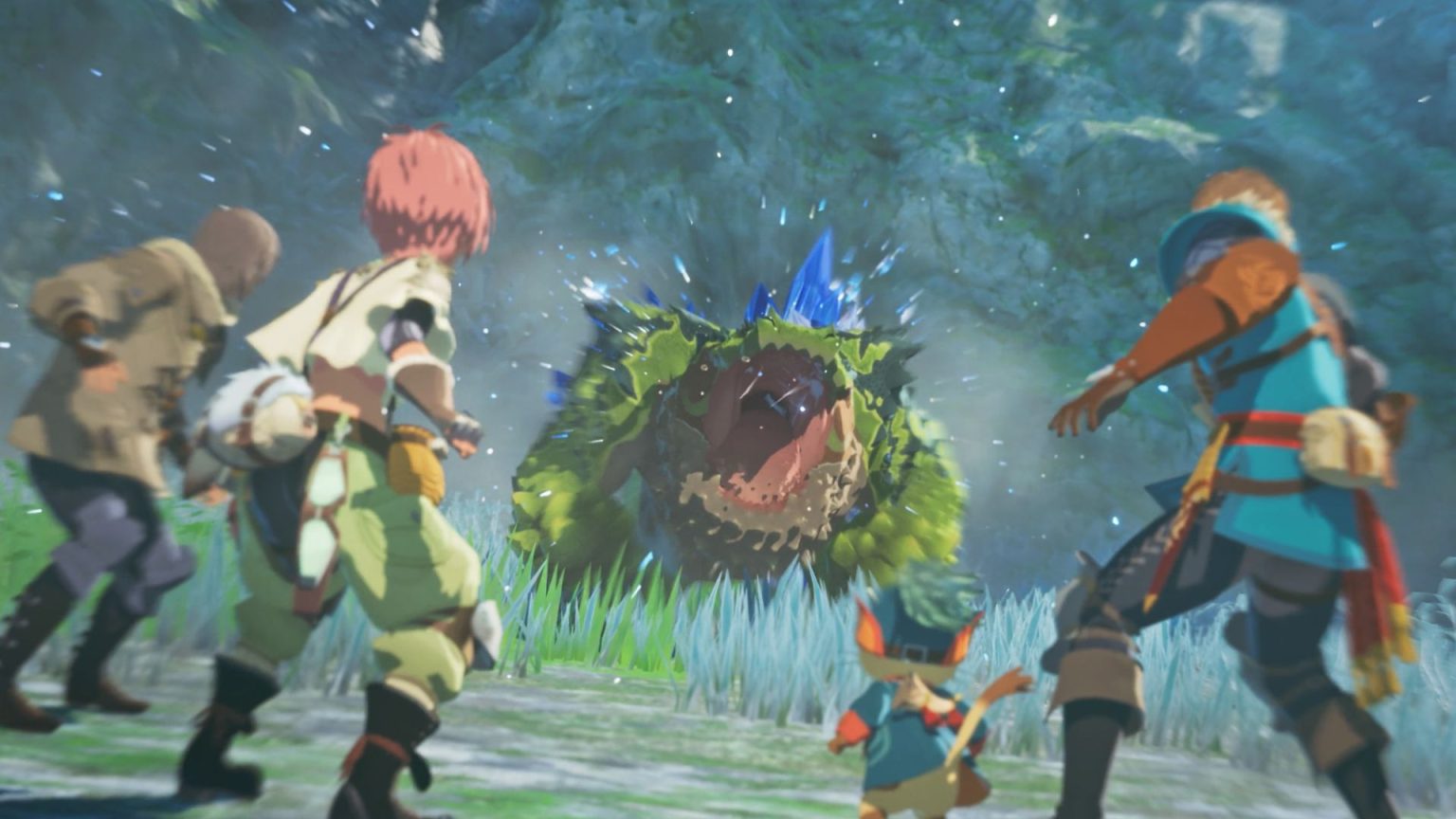
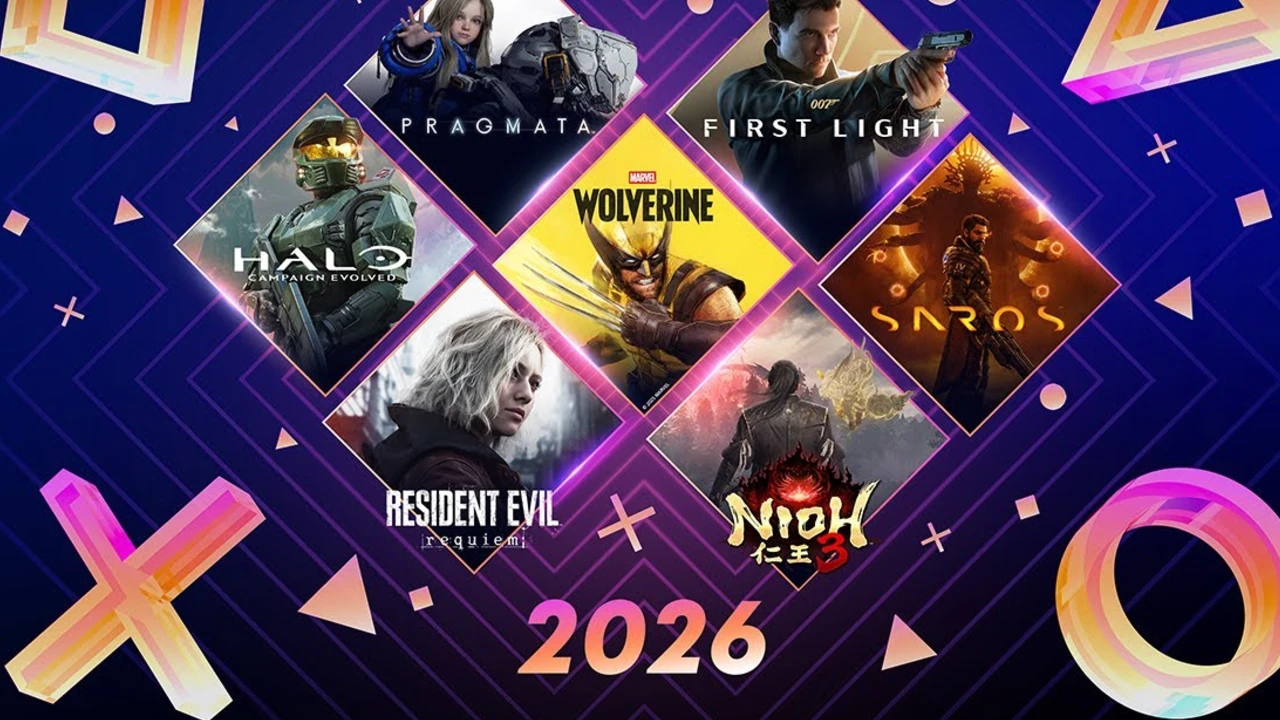

Top 20 Most Anticipated Turn Based RPGs Of 2026 Turn Based Lovers Most Anticipated Turn Based Rpgs Of 2026 Scaled.webp. Play These 9 Open World RPG Games Releasing In 2026 Insider Gaming Play These 9 Open World RPG Games Releasing In 2026 Guide Monster Hunter 1536x864 . PS5 2026 Preview PlayStation Shows Off A Brilliant Start These Games Playstation 2026 Teaser.webp. Must Play RPGS Of 2026 2026 RPGs Include Code Vein 2 And The Next Fire Emblem . 10 Most Epic Upcoming RPG Games Releasing In 2025 2026 YouTube