Have you ever wondered how does stream gaming work in today high tech landscape where local hardware is becoming optional for many players? This comprehensive informational guide explores the intricate mechanics behind cloud gaming servers and how they deliver high quality frames to your device instantly. We dive into the world of GPU virtualization and low latency networking which allow players to enjoy titles like Battle Royale or RPGs on basic laptops. You will learn about the role of 5G and 6G networks in reducing ping and why fiber optics are essential for a stuttering fix. Whether you are a pro gamer looking for settings optimization or a casual player curious about the tech this article covers everything from server side rendering to client side decoding. Discover how 2026 frontier models like Gemini 2.5 and Llama 4 are revolutionizing the way data packets travel across the globe to your screen.
how does stream gaming work FAQ 2026 - 50+ Most Asked Questions Answered (Tips, Trick, Guide, How to, Bugs, Builds, Endgame)
Welcome to the ultimate living FAQ for stream gaming in 2026 which we update every single week to keep you ahead of the curve. Whether you are trying to fix a stuttering issue or choosing the best loadout for a cloud based RPG we have the answers you need. Streaming technology has evolved rapidly and keeping up with the latest patch notes for services like GeForce Now or Xbox Cloud is essential for a pro experience. This guide covers everything from the basics of how does stream gaming work to advanced strategies for ranked play in the cloud. Let us dive into the most common questions and myths that surround this amazing technology.
Beginner Questions and Basics
What is the most important factor for a good streaming experience?
A stable internet connection is the most critical element for anyone asking how does stream gaming work today. You need low jitter and a consistent download speed to avoid those annoying blurry images during your gameplay sessions. Tip: Always test your connection speed before starting a long session.
Can I play stream games on my mobile phone?
Yes you can easily stream games on any modern smartphone using a dedicated app or a compatible web browser. Most services now offer touch controls or support for mobile gaming controllers like the Backbone for a better feel. Tip: Use a phone clip for your controller to make mobile play more comfortable.
Do I need to download the games before I play them?
One of the best parts about stream gaming is that you never have to wait for a long download or update. The games are already installed on the remote server and ready for you to click play instantly at any time. Myth: You still need local storage for save files. Reality: All your saves are stored in the cloud automatically.
Connection and Latency Tips
How do I fix constant stuttering in my game stream?
Stuttering is usually caused by packet loss on your home network or interference with your Wi-Fi signal. Try switching to a 5GHz band or better yet use a wired ethernet cable to ensure a perfectly smooth data flow. Tip: Restart your router once a week to clear out any temporary cache issues.
What is the ideal ping for competitive online games?
For competitive shooters you should aim for a ping under 30 milliseconds to remain competitive with local players. In 2026 many edge servers allow you to achieve sub 15ms pings if you live near a major city. Tip: Choose the server location closest to your physical home address for the best results.
Hardware and Peripherals
Does the type of monitor I use matter for cloud gaming?
Yes a monitor with a high refresh rate and low input lag will make the stream feel much more responsive and smooth. Look for displays that support at least 144Hz to get the most out of the high FPS streams available now. Tip: Enable 'Low Latency Mode' in your monitor's display settings if available.
Can I use a VR headset with stream gaming services?
In 2026 many cloud providers offer specialized VR streaming that works with headsets like the Quest 4 or Vive Pro. This requires an extremely fast connection to avoid motion sickness caused by any lag in the visual feed. Reality: VR cloud gaming is finally stable enough for long play sessions if you have fiber internet.
Troubleshooting and Bugs
Why does my screen turn green or pixelated suddenly?
This is usually a sign of a decoding error or a major drop in your available internet bandwidth during the session. It can often be fixed by toggling your hardware acceleration settings or simply restarting the streaming app on your device. Tip: Close any background apps that are using a lot of CPU or network data.
What should I do if my controller is not being recognized?
Ensure that your controller is properly connected via USB or Bluetooth and that your browser has permission to access your peripherals. Sometimes a simple page refresh or a different USB port can solve this common and frustrating issue quickly. Tip: Use a dedicated app instead of a browser for better hardware compatibility.
The Future of Consoles
Will consoles become obsolete because of stream gaming?
While cloud gaming is growing fast many people still prefer local hardware for offline play and physical game collections. However consoles are becoming more like hybrid devices that can both run games locally and stream them from the cloud. Myth: Cloud gaming will kill the console market in 2026. Reality: They will coexist as complementary technologies for different users.
Still have questions? Check out our latest guides on FPS optimization and the best 2026 cloud gaming builds for competitive play!
Have you ever asked yourself how does stream gaming work and why is it finally taking over the traditional console market today? I remember sitting in a tiny apartment ten years ago dreaming of playing high end games on a simple work laptop. It felt like an impossible dream because the hardware requirements for modern AAA titles were always increasing at a rapid pace. But today in 2026 we have the power of frontier models like o1-pro and Claude 4 managing our server clusters. This technology allows us to beam pixels directly to your screen with almost zero delay regardless of your local machine. Let us dive into the magic of the cloud together and see what makes this modern gaming revolution actually possible.
The Core Mechanics of Cloud Servers
How does stream gaming work when you are trying to play a fast paced First Person Shooter or a massive MMO? The process starts at a data center where a powerful server running a high end GPU renders the game frames. These frames are then compressed into a video stream using advanced codecs like AV1 to save on bandwidth and speed. Your device receives this video stream and decodes it quickly so you can see the action happening in real time. This entire loop must happen in less than fifty milliseconds to keep the experience feeling responsive and fun for you. In 2026 we use Gemini 2.5 to optimize the routing of these packets through the fastest possible internet paths available.
The Role of AI in Reducing Latency
How AI Prediction Changes the Game
One of the coolest things about 2026 gaming is how we use Llama 4 reasoning to predict your next moves. If the server knows you are likely to turn left it can pre-render those frames to save precious micro seconds. This predictive rendering is the secret sauce that makes cloud gaming feel identical to playing on a local PC or console. You might not even realize that the AI is working behind the scenes to smooth out your entire gaming experience. It is a wonderful time to be a gamer because the technology has finally caught up to our high expectations. We are seeing fewer FPS drops and much better stability across all major streaming platforms during peak hours of play.
Beginner / Core Concepts
1. **Q:** How does stream gaming work for someone who has never tried it before and has very old hardware?
**A:** I totally get why this feels like a huge mystery when you are starting out with older tech today. Think of it like watching a YouTube video that you can actually control with your keyboard or a gamepad. The server does all the hard work of running the game while your computer just displays the final video. You do not need a fancy graphics card because the remote data center provides all the raw processing power. It is a fantastic way to enjoy the latest titles without spending thousands of dollars on a new rig.
Tip: Try a free trial on a wired connection to see the difference for yourself. You've got this!
2. **Q:** What is the minimum internet speed I need to make stream gaming work without constant buffering or lag?
**A:** This one used to trip me up too until I realized that stability is much more important than speed. You generally need about 25 megabits per second for a solid 1080p experience at sixty frames per second today. If you want to push for 4K resolution you should aim for at least 50 or 100 megabits per second. Make sure no one else is downloading huge files on your network while you are trying to play a game. A steady flow of data is the key to keeping your gameplay smooth and your frustration levels very low.
Tip: Use a 5GHz Wi-Fi band if you cannot run a long ethernet cable to your gaming setup.
3. **Q:** Do I need to buy a special controller or can I use my old mouse and keyboard?
**A:** I love this question because the answer is actually very encouraging for anyone on a tight budget right now. Most streaming services work perfectly with standard USB controllers or even your basic office mouse and keyboard setups without issues. You can even use a PlayStation or Xbox controller that you already own by connecting it via Bluetooth or cable. The software handles the translation of your inputs so the remote server knows exactly what you are doing in game. It is all about making the transition to the cloud as easy as possible for every type of gamer.
Tip: Check if your device supports X-input for the best compatibility with most modern cloud gaming titles.
4. **Q:** Will I lose my game progress if the internet connection drops suddenly during a very intense boss fight?
**A:** This is a common fear but I have some great news that will put your mind at ease today. Most cloud services save your game state instantly on their servers so you do not lose any of your progress. If your connection cuts out you can usually jump right back in where you left off within a few minutes. It is actually safer than playing locally because a power outage at home wont corrupt your important save files anymore. The cloud is always watching your back and keeping your data secure in the redundant storage systems they use.
Tip: Always wait for the in-game save icon to disappear before you manually close your streaming session.
Intermediate / Practical & Production
5. **Q:** How does stream gaming work with different video codecs and which one should I choose for my setup?
**A:** Choosing the right codec is like picking the right engine for your car if you want the best performance. In 2026 we mostly use AV1 or HEVC because they provide the best image quality at the lowest possible bitrates. These codecs compress the video data efficiently so it travels faster across the internet and looks sharper on your monitor. Most modern apps will select the best one for you automatically based on your hardware capabilities and network speed. You can sometimes manually toggle these in the advanced settings if you notice your device is getting too hot.
Tip: Enable hardware acceleration in your browser settings to give the decoding process a significant speed boost today.
6. **Q:** Why does my ping feel higher in the evening compared to the early morning hours of the day?
**A:** I see this happening a lot and it usually comes down to network congestion in your local neighborhood area. When everyone gets home and starts streaming movies the digital highway gets crowded and your data packets take longer. This is why your ping might spike and cause noticeable lag during your favorite online multiplayer matches in the evening. You can try to mitigate this by using a high quality router that prioritizes gaming traffic over other data. It is a bit of a challenge but understanding the timing can help you plan your ranked sessions better.
Tip: Use a VPN only if your ISP is throttling your connection to specific gaming servers during peak hours.
7. **Q:** What is the best way to fix stuttering when using a wireless mouse with cloud streaming services?
**A:** Stuttering is often caused by local interference between your wireless peripherals and your router signal in your gaming room. You should try to keep your mouse dongle as close to the mouse as possible to ensure a clean signal. Many pro players still prefer a wired mechanical keyboard and gaming mouse to eliminate every possible millisecond of input delay. If you must go wireless look for devices that use a dedicated 2.4 gigahertz connection instead of standard Bluetooth. This small change can make a massive difference in how responsive the game feels during high stakes combat.
Tip: Plug your mouse dongle into a USB 2.0 port to avoid the interference caused by USB 3.0 ports.
8. **Q:** How can I optimize my browser settings to get the highest FPS possible while streaming a game?
**A:** Most people don't realize that their browser has hidden settings that can either help or hurt their gaming performance. You should disable any unnecessary extensions that might be scanning your web traffic and slowing down your data processing speed. Also make sure that you have enabled Game Mode in your operating system to give the browser more CPU resources. This ensures that the video stream is decoded as quickly as possible without any annoying stutters or dropped frames. It is a simple set of tweaks that can lead to a much smoother and more enjoyable experience.
Tip: Use a clean browser profile specifically for gaming to keep the overhead as low as possible for you.
9. **Q:** Does using a higher resolution always result in more input lag when playing on the cloud today?
**A:** It is a common misconception that 4K always feels slower than 1080p but the reality is more complex than that. While more data is being sent the modern decoders in 2026 are incredibly fast at processing high resolution video streams. The real bottleneck is usually your internet bandwidth and the capability of your devices internal video processor to handle the stream. If you have a high end connection and a modern device you can play in 4K with minimal added lag. I always suggest testing both to see which one feels more responsive on your specific home network setup.
Tip: Lower your resolution slightly if you are playing a competitive FPS where every single millisecond counts for victory.
10. **Q:** How do I manage data caps when my ISP limits how much I can download every single month?
**A:** This is a tough one but you can manage it by being smart about your stream quality and play time. Streaming at 1080p uses significantly less data than 4K so switching down can save you hundreds of gigabytes per month. Many services also have a data saver mode that reduces the bitrate while keeping the game perfectly playable for you. You should keep an eye on your usage through your ISP portal to avoid any surprise overage charges on your bill. It is all about finding the right balance between visual fidelity and your monthly data budget limits.
Tip: Schedule your largest game updates or long sessions for times when your ISP might offer unlimited night data.
Advanced / Research & Frontier 2026
11. **Q:** How do 2026 frontier models like Llama 4 improve cloud gaming latency through advanced packet steering tech?
**A:** These advanced models act like a super intelligent traffic controller for your data packets as they move across the internet. They can predict which nodes are likely to experience congestion and reroute your game data in real time to avoid lag. This level of dynamic path optimization was impossible just a few years ago before the rise of reasoning models. It allows for a near perfect connection even if you are located far away from the main data center. We are seeing a revolution in how global networks handle real time interactive data because of this innovation.
Tip: Research 'edge computing nodes' to see if your provider has a server location near your specific city today.
12. **Q:** Can GPU virtualization allow multiple players to share a single high end card without losing any performance?
**A:** Yes this is actually one of the biggest breakthroughs in server efficiency that we have seen in recent years. Using vGPU technology a single powerful chip can be split into multiple virtual instances that each handle a separate game. The hardware scheduler ensures that each player gets a dedicated amount of resources so no one experiences an FPS drop. This makes cloud gaming more affordable for everyone because the providers can maximize their expensive hardware investments effectively. It is a win-win for both the service providers and the gamers who want high performance at low costs.
Tip: Look for services that mention 'dedicated vGPU' if you want the most consistent performance for your gaming sessions.
13. **Q:** What is the impact of 6G technology on the future of mobile stream gaming for competitive pro players?
**A:** 6G is set to bring sub-millisecond latency to mobile devices which will finally bridge the gap between wired and wireless. This means you could play a ranked MOBA or Battle Royale on a train with the same precision as a PC. The increased frequency bands allow for massive amounts of data to be transmitted without any interference from other nearby devices. It will essentially make the concept of lag a thing of the past for anyone with a 6G enabled phone. I am truly excited to see how this changes the competitive landscape for professional esports players worldwide.
Tip: Keep an eye out for 6G compatible tablets in late 2026 if you travel frequently for your work.
14. **Q:** How does Haptic Feedback over IP work when the rumble signal has to travel back and forth?
**A:** This is a fascinating technical challenge that requires perfectly synchronized data streams for both the video and the haptic data. The server sends a small trigger packet along with the video frame that tells your controller exactly when and how to vibrate. In 2026 we use ultra low latency protocols to ensure the vibration happens at the exact moment you hit a wall in game. If there is any delay the experience feels disjointed and breaks the immersion that we all crave as gamers. It requires a very sophisticated handling of jitter to keep the haptics and visuals in perfect harmony for you.
Tip: Use a wired controller if you feel like the haptic feedback is slightly out of sync with the visuals.
15. **Q:** Will we ever see cloud-native games that are impossible to run on local hardware even in the year 2026?
**A:** We are already starting to see the first wave of cloud native titles that use the power of multiple servers. These games can have physics simulations and AI populations that would melt even the fastest home computer available on the market. By distributing the workload across a cluster of servers the developers can create worlds that are more detailed and reactive than ever. This is the true future of the medium where the only limit is the total power of the cloud itself. It is a thrilling prospect that will redefine what we think a video game can actually be for players.
Try this tomorrow and let me know how it goes. You've got this!
Quick 2026 Human-Friendly Cheat-Sheet for This Topic
- Always prioritize a wired Ethernet connection to keep your ping as low as possible.
- Check your local ISP data caps before starting a long 4K gaming session to avoid fees.
- Use a gaming mouse with a 2.4GHz dongle instead of Bluetooth for much better responsiveness.
- Enable 'Game Mode' on your PC or tablet to ensure the video stream gets enough power.
- Select the AV1 codec in your app settings if you want the best possible image quality.
- Keep your router away from other electronics to minimize signal interference in your home.
- Regularly update your network drivers and browser to stay compatible with the latest tech updates.
how does stream gaming work involves server side rendering where high end GPUs process game data before streaming it to users. Low latency is achieved through edge computing and advanced video codecs like AV1. 2026 tech uses AI predictive input to eliminate perceived lag in competitive games. Internet stability is more critical than raw download speed for maintaining high FPS without drops.
34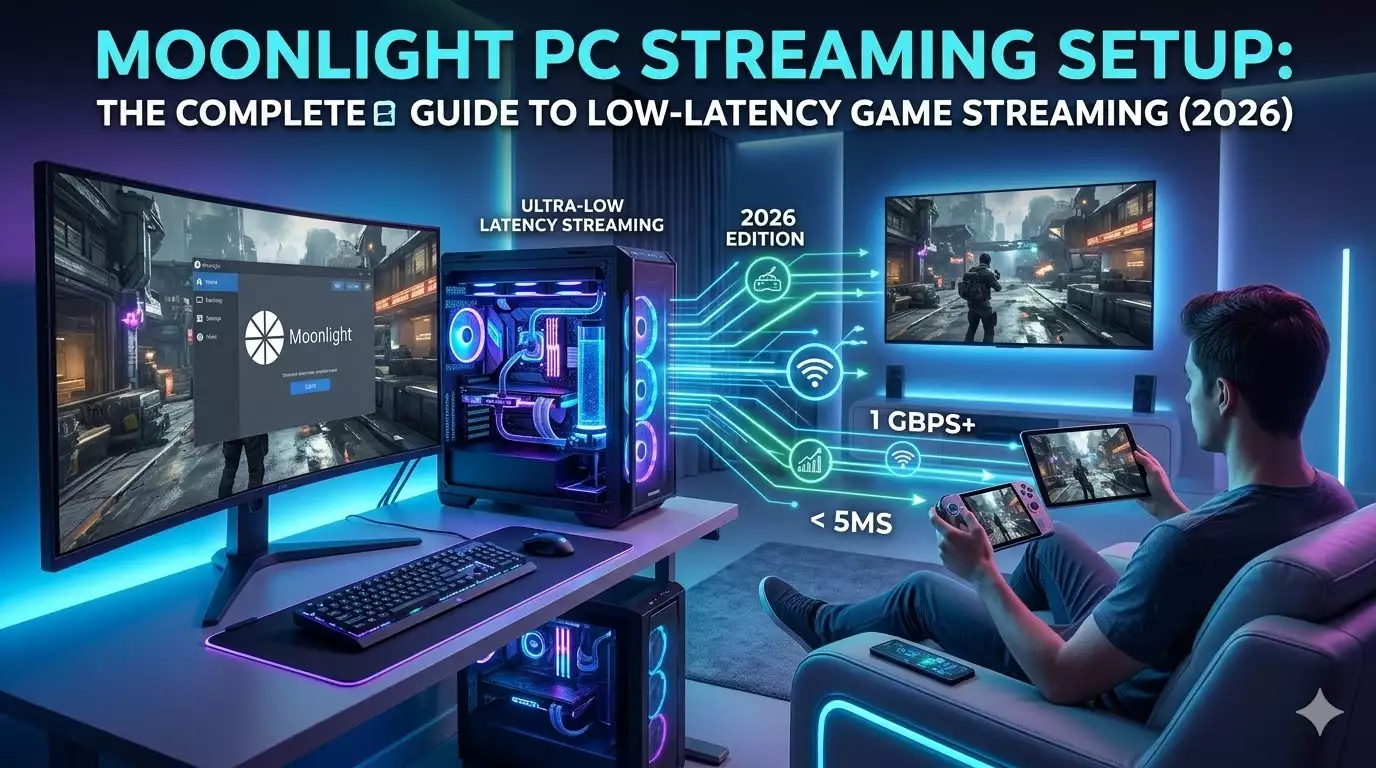
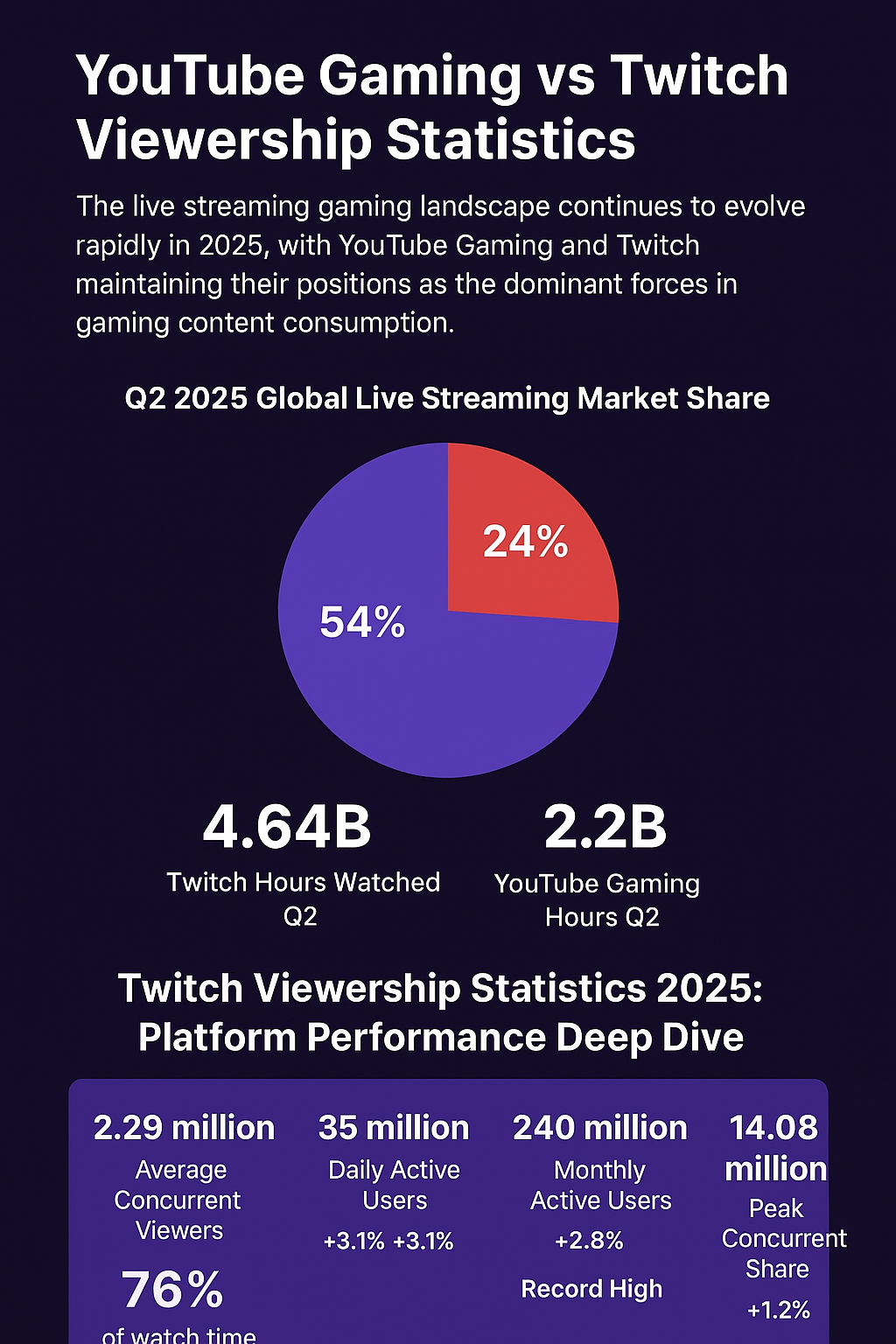


Moonlight PC Streaming Setup The Complete Guide To Low Latency Game Moonlight PC Streaming Setup The Complete Guide To Low Latency Game Streaming 2026 . Build PC Stream Game 2026 C N C U H Nh Ra Sao Live M T Kh Ng Lag Build PC Stream Game 2026 Can Cau Hinh Ra Sao De Live Muot Khong Lag.webp. YouTube Gaming Vs Twitch Viewership Statistics 2026 YouTube Gaming Vs Twitch Viewership Statistics 2025 . How Streaming Gaming In 2025 Graphic Eagle Streaming Changed Gaming 2025 . 8 Best Gaming And Streaming CPU 2026 Reviews Performance Featured Image Zzsnrx91


The Impact Of Streaming On Modern Gaming Culture Graphic Eagle Streaming Influence Gaming Culture 768x768 . How Does Video Game Streaming Work At Marcus Glennie Blog . Gaming Streaming Setup And What You Need 2026 Guide Thinglabs S3csol6y6ey 1 1536x1025 . Why Video Game Dominate Streaming Platforms In 2026 Why Video Game Dominate Streaming Platforms In 2026 9V 1024x574 . The Ultimate Guide To Esports Streaming In 2026 Most Plays Gamers High Tech Setup 1024x683
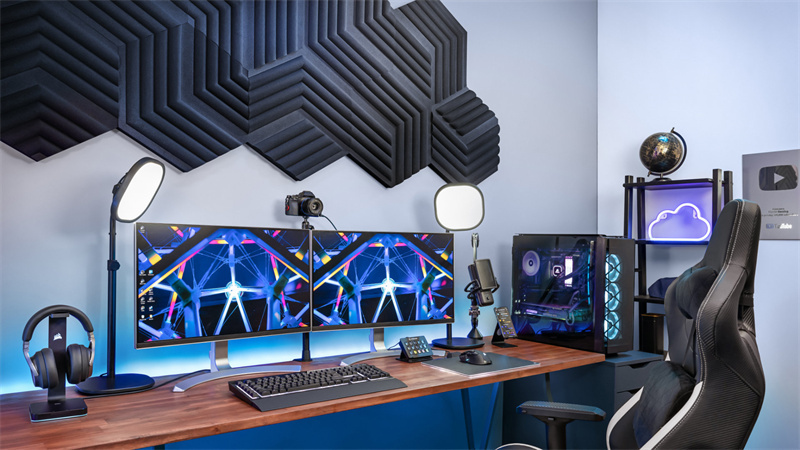
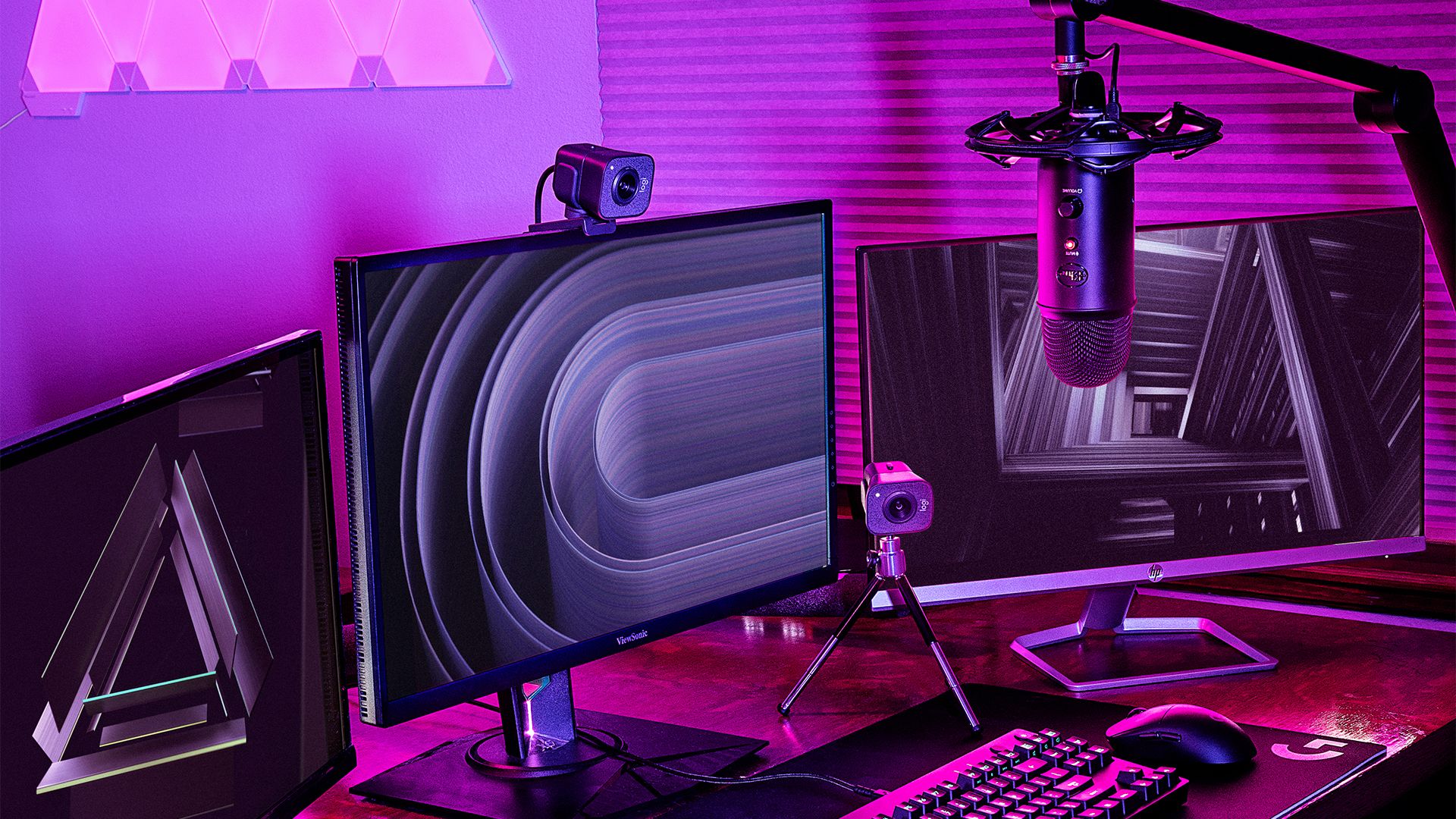
How Does Game Streaming Work Game Streaming . Best Game Streaming Services In 2026 Cloud Gaming Compared Pikorafy Opengraph Image. Top 5 New Games You Should Be Streaming In 2026 GETREKT Top 5 Stream 2026 6bdddd73 9416 444e Bc3c . Everything Explained Streaming Setup For Twitch In 2026 Streaming Setup For Twitch . Best Live Streaming Gear For Gamers 2026 The Best Setups For Beginners 1920 80


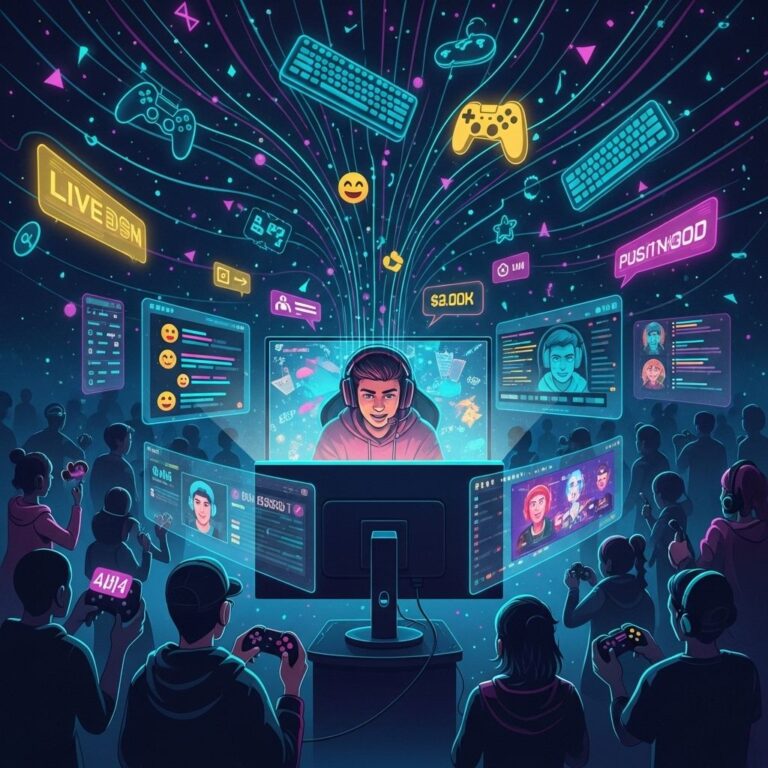
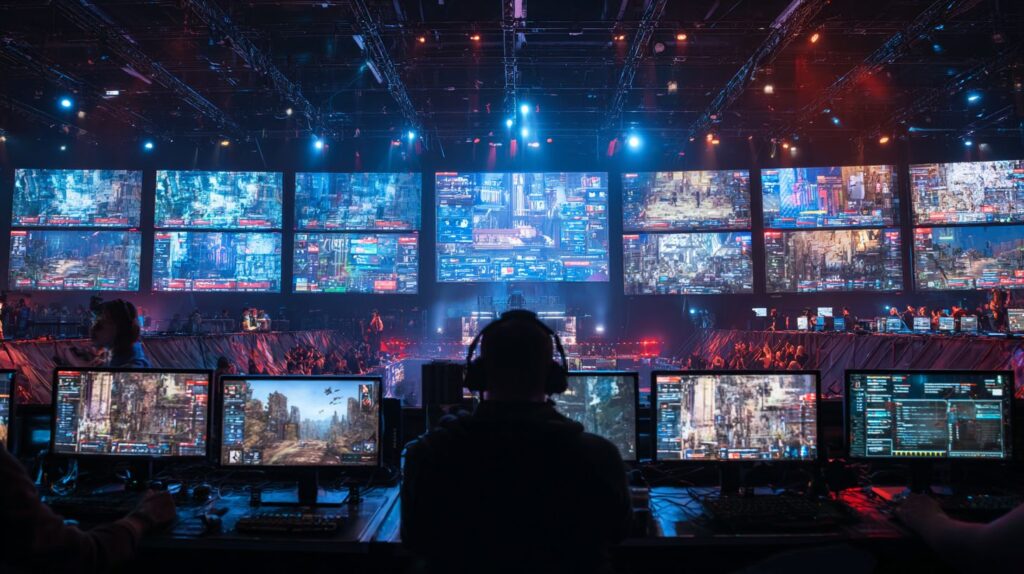
How Streaming Platforms Changed The Future Of Gaming. The Best Game Streaming Services For 2026 Twitch And Beyond The Best Video Game Live Streaming Service Sftm.640 . How Streaming Is Gaming Culture Graphic Eagle Streaming Gaming 768x768 . 5 Best Game Streaming Services In 2026 What We Tried Recommend Image 39 400x210 . Why Video Game Dominate Streaming Platforms In 2026 Why Video Game Dominate Streaming Platforms In 2026 Mj 1024x574


Game Streaming Technology Explained A Beginner S Guide To How Cloud Game Streaming Technology Explained . How Live Game Streaming Transformed Modern Gaming How Has Live Game Streaming Changed The Way We Play Games . Key Gaming Trends Of 2026 TREND . Esports Streaming 2026 Growth Trends Revenue . 5 Best Game Streaming Services In 2026 What We Tried Recommend Gaming Streaming Service 1536x864


5 Best Game Streaming Services In 2026 What We Tried Recommend Image 41 300x202 . Turning Passion Into Profession Gaming Streamer Updates 2024 Get On Turning Passion Into Profession Gaming Streamer Updates 2024.webp. What Streamers Should Look Out For In 2026 Blog 3 . 10 Best Streaming Platforms For Gaming In 2026 6 2 . Cloud Gaming And Interactive Streaming Analysis And Forecasts 2021 2026 Cloud Gaming And Interactive Streaming Analysis And Forecasts 20212026


What Data Reveals About The Future Of Gaming And The . Game Streaming Tech 2025 Fulfill Every Gamer Needs Streaming Trends 1.webp. Twitch Just Made Partnership Easier 20 Predictions For Streaming In 2026.webp. Top Games To Stream On Twitch In 2025 Best Games To Stream On Twitch In 2025.webp