Ever found yourself pondering what is the game 20 Questions and its enduring appeal across generations? This detailed guide uncovers everything you need to know about this classic parlor game. We dive into its origins, fundamental rules, and advanced strategies that will elevate your casual play to expert levels. You will learn how to craft the perfect questions for optimal deduction and choose excellent mystery objects. Explore common pitfalls to sidestep and discover fun variations to keep the game fresh. Whether you are a beginner seeking to understand the basics or an experienced player looking to refine your technique, this article provides actionable insights. It ensures you not only play the game but truly master it. Get ready to impress everyone with your sharpened skills and become the 20 Questions champion.
Welcome to the ultimate resource for mastering the timeless game of 20 Questions! This comprehensive FAQ is your go-to guide, updated for 2026, to help you understand every nuance of this classic parlor game. We dive into common inquiries, strategic insights, and often-misunderstood aspects, ensuring you are fully equipped to play like a pro. Whether you are a curious beginner or a seasoned player seeking to refine your tactics, these answers provide actionable tips, tricks, and essential knowledge. Prepare to elevate your game and become a true 20 Questions master, ready to deduce any mystery object with confidence.
Beginner Questions for 20 Questions
What is the fundamental goal of the 20 Questions game?
The primary goal of 20 Questions is for the guesser(s) to identify a secret object chosen by another player. They must achieve this by asking a maximum of twenty yes or no questions. It is a test of deductive reasoning and efficient information gathering, making every question count towards the final reveal.
How does the "animal, vegetable, or mineral" rule work?
This rule is a crucial starting point in classic 20 Questions. The first question usually establishes if the secret object is an 'animal,' a 'vegetable' (plant-based), or a 'mineral' (inanimate). This immediate classification significantly narrows the scope, guiding subsequent questions towards more specific characteristics within that broad category. It optimizes the early game strategy.
Strategic Play and Tips for 20 Questions
What are some effective opening questions?
Beyond 'animal, vegetable, or mineral,' effective opening questions focus on broad categories. Consider asking 'Is it man-made?' 'Is it bigger than a car?' or 'Is it found indoors?' These questions swiftly eliminate large sets of possibilities, providing foundational information for your deduction. Prioritize scope over specificity in early turns.
How can the guesser optimize their questions?
Guessers optimize questions by thinking systematically. Aim for questions that split the remaining possibilities in half, rather than narrowly targeting a single item. For instance, if guessing a famous person, ask 'Is this person still alive?' before 'Is it Taylor Swift?' This strategic approach maximizes information gain with each query.
Is it better to ask specific or general questions early on?
It is almost always better to ask general questions early in the game. Specific questions are a gamble and often waste valuable turns when you lack sufficient context. By starting broad and progressively narrowing your focus, you build a solid foundation of information, making later specific guesses much more informed and effective. This approach minimizes 'FPS drop' in your deduction speed.
Common Challenges and Misconceptions in 20 Questions
Myth vs Reality: Do I really only have 20 questions?
Reality: Yes, the game title literally means you typically only have twenty questions. While some house rules or casual play might allow for slight flexibility, the core challenge is adhering to this limit. Exceeding it means the guessers 'lose.' Each question is a precious resource, so use them wisely and avoid 'lag' in your decision-making.
What if the object chosen is too obscure?
If an object is too obscure, it can lead to frustration and a stalled game. A good 'answerer' should choose objects that are generally recognizable, even if challenging. If a truly obscure item is picked, house rules might allow for a hint or a re-selection. The goal is fun, not 'stuttering fix' level frustration for guessers.
Variations and House Rules
Are there different versions of 20 Questions?
Yes, many! Beyond the classic 'animal, vegetable, or mineral,' variations include 'famous person' only, 'fictional character' games, or limiting categories. Some groups might allow for a 'bonus question' at the end. These adaptations keep the game fresh and cater to different interests, showing its versatile game mechanics. They are like different 'builds' for the game.
Can you play 20 Questions virtually or online?
Absolutely! Many online platforms and apps facilitate playing 20 Questions remotely with friends or even AI opponents. These digital versions often handle question tracking, making the game smoother for a virtual setting. It is a fantastic way to enjoy this classic game regardless of physical distance, much like an 'MMO' version of the parlor game experience.
Still have questions?
Dive into our other guides on classic family games and party activities to discover more ways to have fun and challenge your mind!
Have you ever sat with friends or family, perhaps on a long car ride or a quiet evening, and heard someone suggest playing 20 Questions? You might have nodded along, maybe even jumped in, but have you ever truly stopped to think about what is the game 20 Questions, beyond just a simple guessing game? It is more than just a pastime; it is a battle of wits, a masterclass in deductive reasoning, and a fantastic way to sharpen your mind. It is a game that transcends age and background, bringing people together through curiosity and clever questioning. Today, we are diving deep into this timeless classic, transforming your casual play into truly strategic engagement.
We are going to unlock the secrets behind mastering 20 Questions. This guide will walk you through everything from its fascinating history and basic mechanics to advanced strategies and common pitfalls. You will learn how to optimize your questions, choose ideal mystery objects, and develop the mental acuity needed to dominate every round. Get ready to elevate your game, impress your companions, and discover why this simple game has remained so incredibly popular for so long. Consider this your ultimate walkthrough to becoming a 20 Questions champion. We promise you will never look at this game the same way again after exploring these insights.
What Is The Game 20 Questions The Timeless Classic Unveiled
So, what is the game 20 Questions, truly? At its core, it is a classic parlor game where one player thinks of an object, and the others try to guess it by asking up to twenty yes or no questions. It sounds straightforward, right? But the depth comes from the strategic dance between the person answering and the collective minds trying to deduce the mystery. This game has been entertaining people for centuries, evolving from simple verbal challenges to more structured forms. It is a fantastic exercise in logical thinking and creative problem-solving, making every round a unique and engaging experience for participants. Its simplicity is its strength, allowing for spontaneous play anywhere, anytime.
The game's origins are a bit fuzzy, but versions of it have been enjoyed since at least the late 19th century. Early forms were popular in Victorian drawing rooms, offering polite yet stimulating entertainment. Over time, it cemented its place as a staple among family games and party activities. The enduring appeal lies in its minimal requirements; you only need people and imaginations. There are no complicated settings or expensive equipment needed, just a willingness to engage. This accessibility is a huge part of its charm and why it continues to be passed down through generations. Understanding its history helps us appreciate its current relevance.
Quick Facts About The Game 20 Questions
- Player Count: 2+ players (best with 3-8)
- Type: Deductive Reasoning, Verbal Guessing Game
- Goal: Guess the mystery object in 20 questions or less
- Origin: Popularized in the 19th Century
- Common Categories: Animal, Vegetable, Mineral, or Abstract
The Basic Rules of 20 Questions Setting Up for Success
Getting started with 20 Questions is incredibly easy, making it an excellent game for beginners. First, one player secretly chooses an object. This object can be anything from a famous person or a specific fruit to a historical event or a common household item. The key is that the object must be able to be classified and answered with a simple 'yes' or 'no.' This selection forms the foundation of the entire game. Without a clearly defined object, the game quickly falls apart and becomes frustrating for everyone involved. Choose wisely, as it sets the tone for the entire round.
The most traditional way to begin is by classifying the chosen object into broad categories. The first question often asks: 'Is it an animal, vegetable, or mineral?' This question provides a crucial starting point, immediately narrowing down the possibilities. If the object is 'mineral,' for instance, players know not to ask about whether it breathes or grows. Following this initial classification, players take turns asking yes or no questions. They continue asking questions until they either correctly guess the object or run out of their twenty allotted questions. This sequential questioning is the core mechanic of the game.
What Classifies as Animal, Vegetable, or Mineral?
This classic categorization is fundamental to the game's structure. An 'animal' is any living creature, like a dog, a bird, or even a fictional beast. A 'vegetable' encompasses plants, fruits, flowers, and anything derived from a plant, such as a banana or a tree. A 'mineral' covers everything else that is inanimate, natural, or synthetic, like a rock, a car, or a building. Some modern versions also include an 'abstract' category for concepts or emotions, but 'animal, vegetable, or mineral' remains the classic starting point. Understanding these categories is essential for effective question optimization. This initial framework guides all subsequent inquiries during play.
Winning Strategies for 20 Questions Optimizing Your Play
Now that we have covered the basics, let us talk about how to win 20 Questions. It is all about asking smart questions and using a systematic approach to deduction. You are essentially building a mental flowchart with each question. Avoid random guesses early on; instead, focus on questions that eliminate large groups of possibilities. Think of it like a game of 'Guess Who?' but with an infinite pool of characters. Each question should push you closer to the identity of the mysterious object. This methodical process makes the game much more engaging and improves your chances significantly.
Beginner Tips Starting Broad for Success
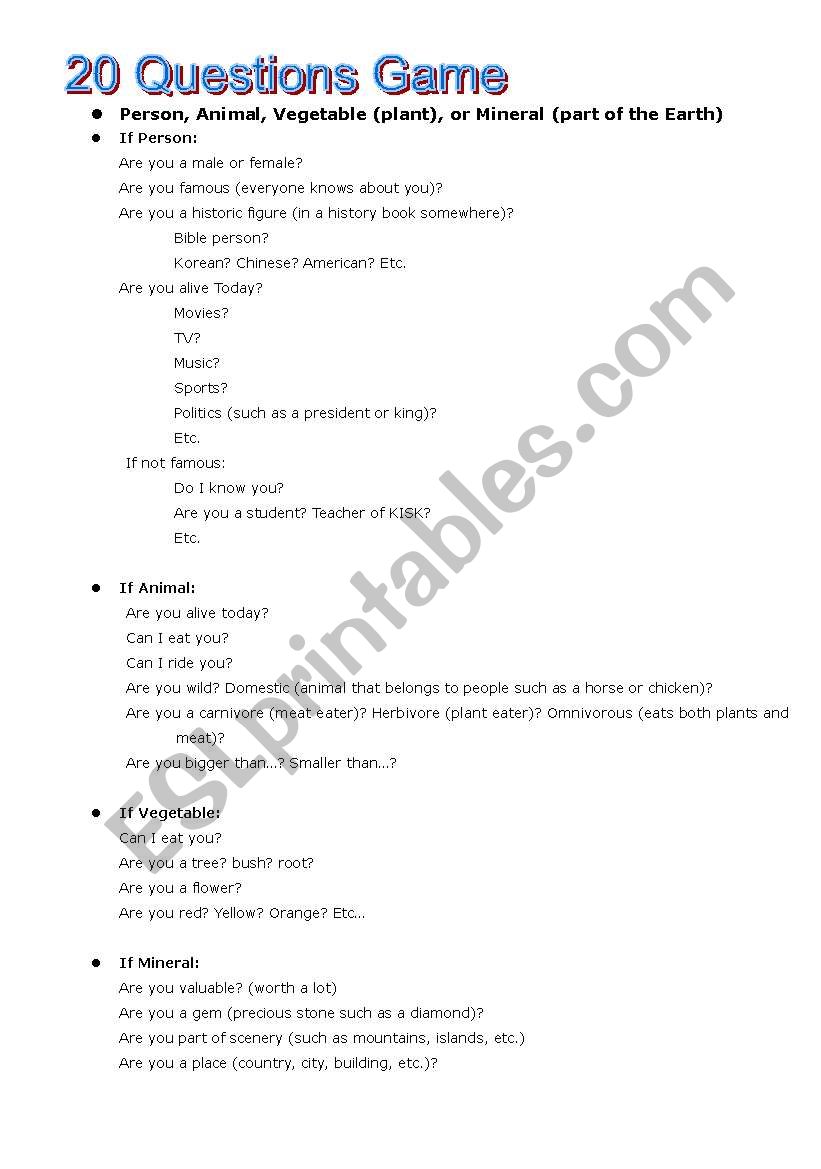
For beginners, the best advice is to start with very general questions after the 'animal, vegetable, or mineral' classification. Think about broad characteristics. For example, if it is a mineral, ask 'Is it man-made?' or 'Is it found indoors?' If it is an animal, consider 'Does it fly?' or 'Is it larger than a breadbox?' These kinds of questions help you quickly divide the remaining possibilities into smaller, more manageable subsets. This simple strategy prevents you from wasting precious questions on specifics when you lack a foundational understanding. Mastering this initial phase is crucial for casual and serious players alike.
Intermediate Moves Narrowing Down the Options
Once you have established a broad category and some general characteristics, it is time to get a bit more specific. This is where your deductive reasoning truly comes into play. If you know it is a man-made mineral, you might ask 'Is it electronic?' or 'Is it a tool?' For an animal that flies, you could inquire 'Is it a bird?' or 'Does it live in a tropical climate?' Each question should build on the answers you have already received, steadily shrinking the pool of potential objects. This method of question optimization helps you to progress efficiently. You are effectively performing a strategic 'walkthrough' of possibilities.
Advanced Play Psychological Tactics and Bluffs
For truly advanced players, 20 Questions can involve a touch of psychological strategy. Sometimes, you might ask a question not just for the answer, but to gauge the responder's reaction. Are they hesitant? Did they pause before answering? This subtle 'ping' might reveal something about the object's nature or the responder's confidence. Another advanced technique is to ask a seemingly irrelevant question late in the game to throw the responder off guard, perhaps revealing an assumption they made. This level of play makes the game feel almost like a mind-reading challenge. It is a more 'pro' way to play.
Common Mistakes to Avoid in 20 Questions Game
Even seasoned players can fall into common traps when playing 20 Questions. Avoiding these pitfalls can significantly improve your success rate and make the game more enjoyable for everyone involved. Understanding these mistakes is part of mastering the game. It allows you to anticipate potential problems and adjust your question strategy accordingly. By being aware, you ensure a smoother, more engaging experience for all participants. These insights are crucial for any player looking to improve their overall game play. Always strive for clarity and purpose in your questions.
Too Specific Too Soon Wasting Precious Questions
One of the biggest mistakes is asking overly specific questions early in the game. Imagine asking 'Is it a golden retriever?' as your third question when you only know it is an animal. That is a massive waste of a question. Instead, focus on broad strokes first, as we discussed. Specific questions are best reserved for when you have narrowed the field considerably. This common error can lead to quick losses and frustration for the guesser. Patience and a methodical approach are key to avoiding this pitfall. Remember, efficient use of your questions is paramount.
Poor Object Choices The Responder's Burden
The person choosing the object also has a crucial role. Picking an object that is too obscure, too abstract, or one that cannot be clearly answered with 'yes' or 'no' can ruin the game. The object should be recognizable and allow for logical deduction. A common mistake here is choosing something like 'happiness' or 'a specific dust particle.' The game thrives on a balance between challenge and possibility. Always consider how the guessers will approach the object. A well-chosen object ensures a fun, engaging, and solvable game for everyone involved. It greatly impacts the flow of play.
Variations and Modern Adaptations of 20 Questions
While the classic version is fantastic, 20 Questions has inspired numerous variations and adaptations over the years. These different ways to play keep the game fresh and allow for different levels of challenge and engagement. Some versions introduce new categories, while others change the number of questions allowed. Exploring these different game modes can add excitement to your regular play. It is a testament to the enduring appeal of the core concept. These adaptations demonstrate the flexibility and timelessness of the original game structure. Try them out to see which ones you and your friends enjoy most.
Online and Digital Versions for a Modern Twist
In our digital age, you can even play 20 Questions online or through apps. Many websites and mobile applications offer AI opponents that can guess objects or allow you to play with friends remotely. These digital versions sometimes include helpful features like keeping track of questions asked or suggesting categories. They offer a convenient way to enjoy the game when you cannot be physically together. While nothing beats the in-person interaction, these digital tools provide excellent alternatives. They are perfect for a quick casual game or practice sessions. Digital play can introduce new dimensions to your existing strategies.
What Others Are Asking? FAQs about What Is The Game 20 Questions
We often hear common questions about this beloved game. Here are some of the most frequently asked queries, directly addressing your curiosities about what is the game 20 Questions.
What is the game 20 Questions exactly?
20 Questions is a classic parlor game where one player thinks of a secret object. Other players try to guess this object by asking up to twenty yes or no questions. It is a game designed to test and improve deductive reasoning skills among participants. The goal is to identify the mystery item before the question limit is reached.
How do you start playing 20 Questions?
To start, one person secretly selects an object that can be categorized and answered with yes or no. The first question usually establishes whether it is 'animal, vegetable, or mineral.' Then, players take turns asking questions, progressively narrowing down the possibilities until they guess correctly or run out of turns.
What are good strategies for the guesser in 20 Questions?
Good guesser strategies involve starting with broad, categorizing questions to eliminate large groups. For example, ask about size, location, or purpose early on. Avoid overly specific questions until significant information has been gathered. Focus on questions that provide maximum information with a single yes or no answer.
What makes a good "answer" object in 20 Questions?
A good object for 20 Questions should be well-known, concrete, and easily classifiable. Avoid overly obscure items or abstract concepts that are hard to define. The best objects allow for clear yes or no answers and offer enough characteristics to be deduced within the question limit, ensuring engaging gameplay.
Is there a trick to always winning 20 Questions?
There is no single trick to always winning, but consistent strategic questioning significantly increases your chances. Focus on deductive logic, eliminate possibilities efficiently, and learn from past rounds. Practice and thoughtful question optimization are your best tools for consistently achieving victory. It is more skill than pure luck.
Can you play 20 Questions with more than two people?
Absolutely, 20 Questions is excellent with more than two people! In fact, it often becomes more engaging and collaborative with a larger group. Players take turns asking questions, or you can even have a team of guessers working together, pooling their collective knowledge. More players can lead to diverse question strategies and quicker deductions.
Quick Summary of The Game 20 Questions
So, what is the game 20 Questions all about? It is a brilliant, simple, and infinitely replayable game that tests your mental agility. From choosing a suitable object to crafting the perfect question, every step offers a chance to engage your brain. It is an excellent way to connect with others, whether you are a casual player or someone who loves the challenge of strategic thinking. The beauty of 20 Questions lies in its pure, unadulterated fun and its ability to bring people together, making it a perennial favorite across cultures and generations. We hope this guide helps you master its intricacies.
Wrapping Up Your 20 Questions Journey
We have journeyed through the delightful world of 20 Questions, uncovering its history, rules, and winning strategies. You now have the tools to approach this game with renewed confidence and skill. Remember, practice makes perfect, and every round is a chance to refine your deductive abilities. So, gather your friends, pick an object, and let the mental gymnastics begin! This game offers endless hours of entertainment and brain-teasing fun. Keep these tips in mind as you embark on your next thrilling round of 20 Questions. We are confident you will be a champion in no time!
Mastering 20 Questions involves strategic questioning and careful object selection. The game enhances deductive reasoning and critical thinking skills. Always start with broad, categorizing questions like 'animal, vegetable, or mineral.' Avoid asking overly specific questions too early in the round. Effective strategies include using a 'divide and conquer' approach to eliminate possibilities swiftly. Key tips include choosing moderately challenging objects for engaging play. The game's pros are its accessibility and mental engagement. Cons might include frustration with overly obscure objects. Optimize your questions for clarity and relevance to maximize turns.
35



20 Questions Logo University Games 20 Questions Game . How To Play 20 Questions The Definitive Guide With Examples What Is The 20 Questions Game 200x300 . The 20 Questions Game Miexto Bringing Joy And Learning Through Games How To Play 20 Questions To 1 . Know Your Why Brain Breaks Critical Thinking With Google S New . 24 Best Question Games To Play With Friends 20 Questions Game List Pin 720x1080
20 Questions Game . 20 Questions Game . 20 Questions Game PDF 1. Know 20 Questions Game And Get To Know Each Other Better Know 20 Questions Game And Get To Know Each Other Better 2 740x740 . 20 Question Game For Newlyweds Fun Wedding Idea What Is The 20 Question Game For Newlyweds 1 1

20 Questions Family Board Game UG7202 . 20 Questions Host Raycast AI Preset Og. 20 Questions About 20 Questions The Board Game. 20 Questions Game 0197d7bf 21eb 708f 8746. The 20 Questions Game Fun Ideas And Examples Games4esl The 20 Questions Game


Game 20 Questions ESL Worksheet By Mulford 432565 1 Game 20 Questions . University Games 20 Questions Board Game Black Amazon Co Uk Toys D697969a 8c76 45dd A407 PT0 SX970 V1 . 20 Questions Board Game Gamezone 20 Questions Board Game 1 . 20 Questions Board Game 07202 20Questions ClueBoard LR . 20 Questions Game Ideas For Get Togethers 20 Questions Banner.webp


20 Questions Game For Friends The Numbers Game Questions 683x1024 .webp. Twenty Questions A Fun Guessing Game For All Ages Icebreaker Spot. Game 20 Questions ESL Worksheet By Mulford . 20 QUESTIONS GAME RULES How To Play 20 Questions 20 QUESTIONS . 20 Questions Logo UF900,850 20 QL100

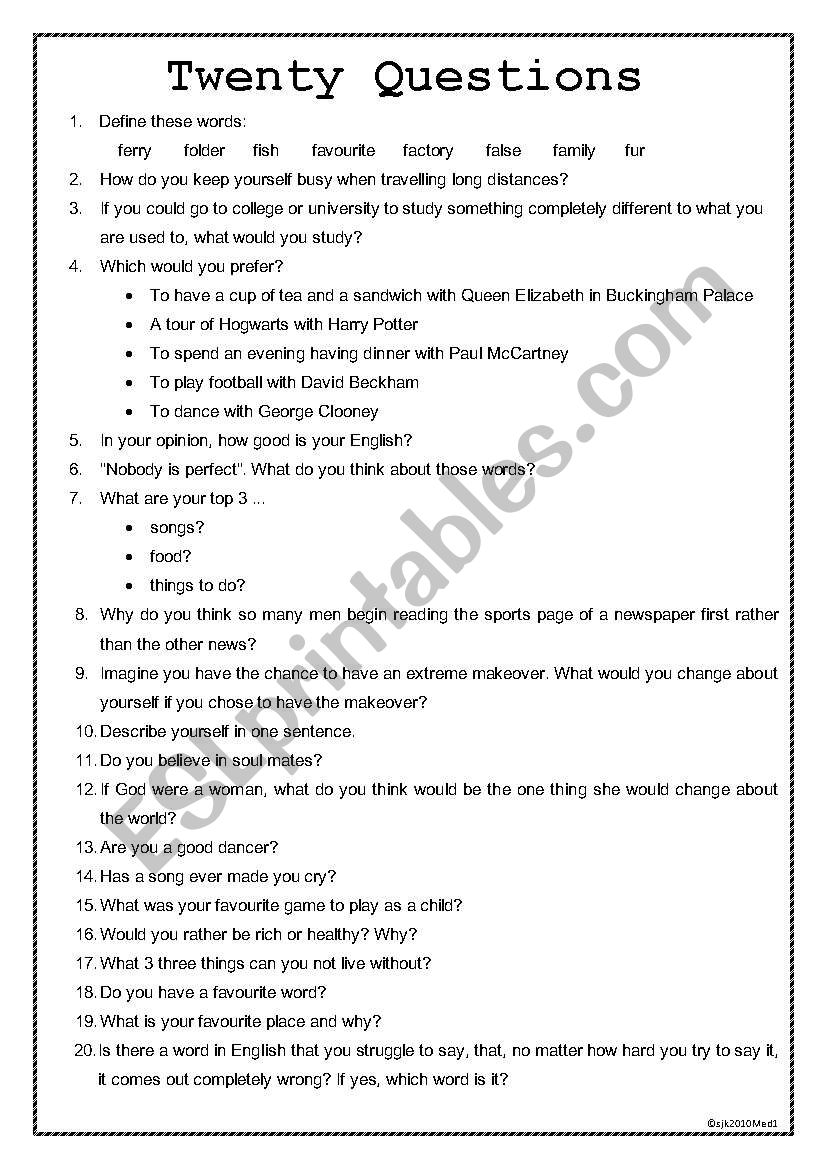
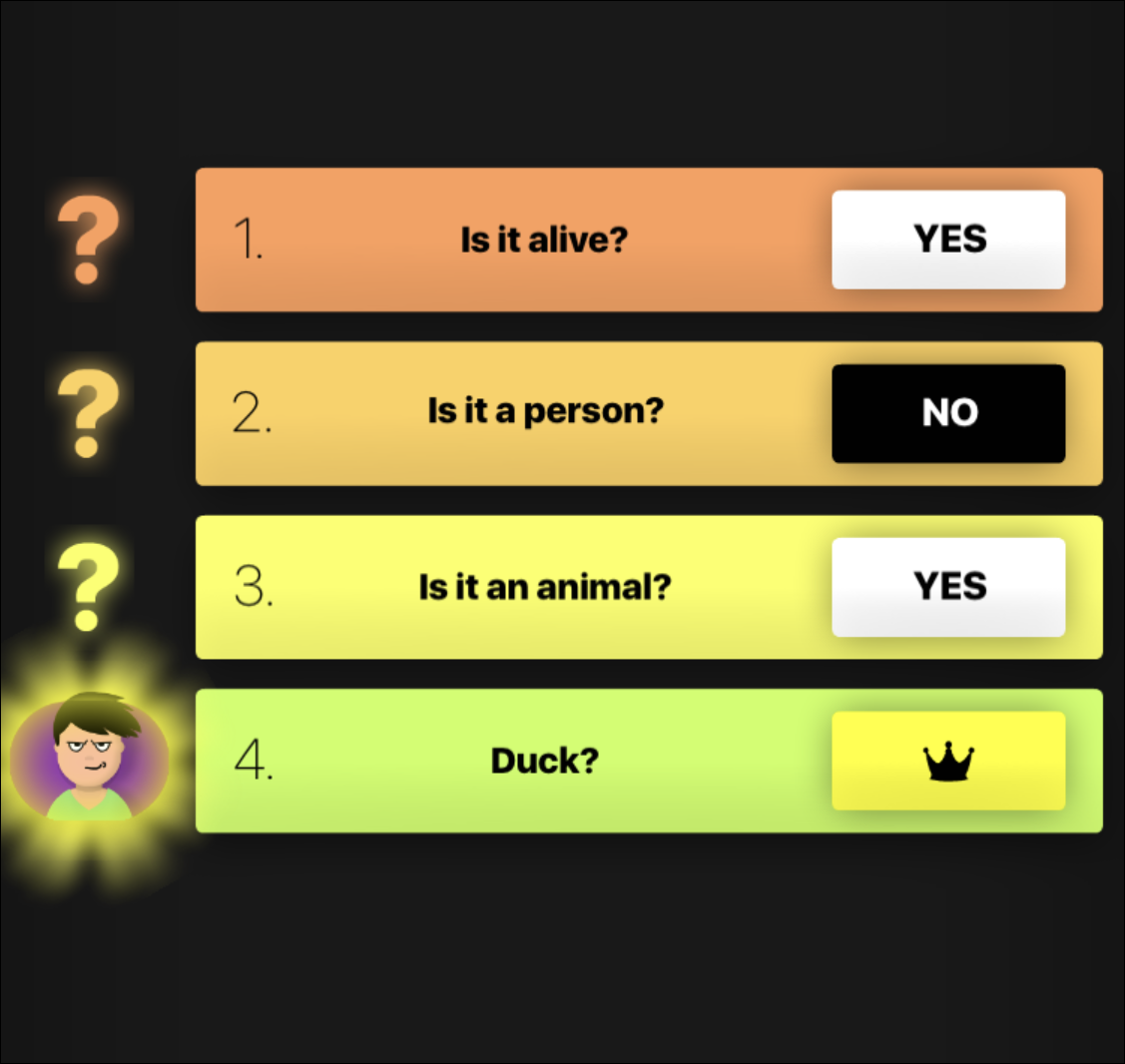

20 Questions Game For ESL Students H Ng D N L I Ch V C Ch Ch I Original 5188540 2 . The 21 Questions Game 83 Fun And Unexpected Topics . What Is Twenty One Questions At Emerita Yamamoto Blog 402200 1 Twenty Questions . How To Play 20 Questions On IMessage How To Play 20 Questions On Imessage Image 7 . 50 March Madness Trivia Questions And Answers 2025 Artofit
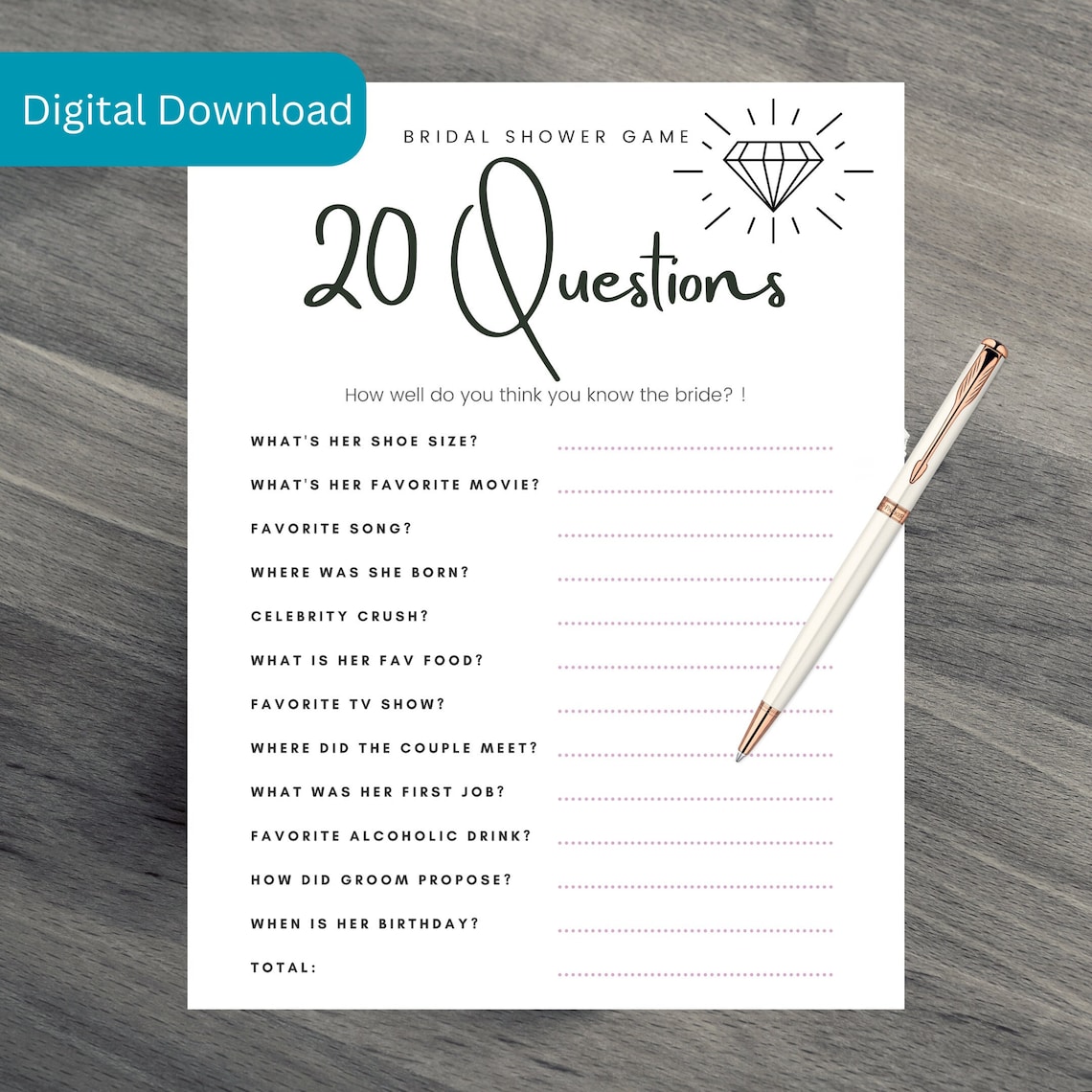

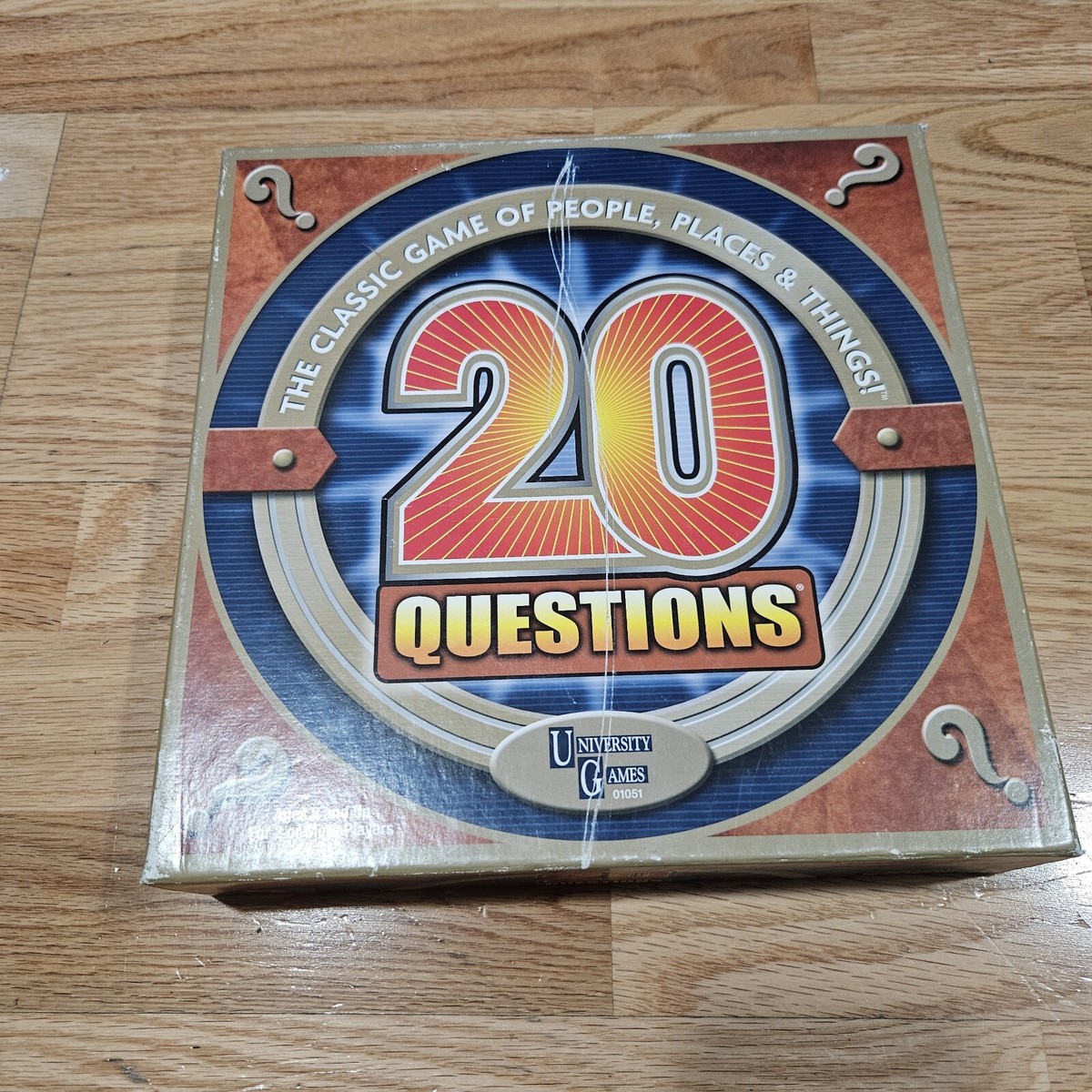

20 Questions Bridal Shower Party Game Funny Bridal Game Il Sx0v . How To Play 20 Questions Official Game Rules October 2024 Ultra How To Play 20 Questions Official Game Rules 1 1 . 20 Questions Logo S L1200 . 20 Questions Game Original 3739066 3 . 171 Fun Newlywed Game Questions Artofit