The landscape of Roblox is rapidly evolving with players increasingly seeking more immersive and personalized experiences. Realistic Roblox avatars represent the forefront of this digital transformation offering unprecedented levels of detail and customization. This trending phenomenon allows users to craft characters that truly reflect their individual style and aspirations within the metaverse. Exploring the intricacies of these advanced avatar designs provides a deep dive into the creative potential of Roblox. From intricate facial features to lifelike clothing textures understanding how to achieve this high fidelity is crucial for any serious Roblox enthusiast. This guide navigates the exciting world of enhanced avatar creation revealing the secrets behind crafting truly stunning and believable virtual identities in 2026 and beyond. It is a vital resource for aspiring digital artists and everyday players alike.
realistic roblox avatars FAQ 2026 - 50+ Most Asked Questions Answered (Tips, Trick, Guide, How to, Bugs, Builds, Endgame)
Welcome, Roblox adventurers, to the ultimate living FAQ for realistic Roblox avatars, updated meticulously for the latest 2026 platform advancements! We know how challenging and exciting it is to sculpt your perfect virtual self. This comprehensive guide cuts through the noise, offering clear, concise answers to over 50 of your most pressing questions. Whether you're a beginner seeking basic customization tips, an intermediate player tackling performance issues, or an advanced creator pushing design boundaries, we've got you covered. From understanding new layered clothing mechanics to troubleshooting common avatar bugs and exploring endgame build strategies, consider this your essential companion to achieving unparalleled avatar realism and immersion. Dive in and transform your Roblox presence like never before!
Beginner Questions
Is creating a realistic Roblox avatar expensive?
Creating a realistic Roblox avatar does not have to be expensive. Many basic realistic components are free or affordable. Focusing on free layered clothing and smart use of avatar scaling can significantly enhance realism without significant Robux investment. Watch for platform events that offer free high-quality items.
What is the easiest way to make my Roblox avatar look more human?
The easiest way to enhance human-like appearance is by utilizing mesh heads and layered clothing. These items add anatomical detail and natural clothing drape. Adjusting your avatar's body proportions using the built-in sliders also makes a significant visual impact immediately.
Can I use my existing classic clothing with realistic avatars?
You can use classic 2D clothing, but it will appear as a flat texture on realistic bodies or layered clothing. For true realism, layered clothing (3D items) is highly recommended. Classic clothing often lacks the depth and dynamic deformation needed for a truly believable avatar.
What are some must-have free items for a realistic look?
Look for free Rthro bundles and free layered clothing items released during events or promotions. Utilize free animation packs to enhance movement realism. Experiment with different free accessories, like glasses or hats, that can add subtle character details.
Avatar Builds & Customization
How do I choose the best mesh head for my avatar?
Choosing a mesh head involves personal preference and stylistic goals. Look for heads with detailed textures and facial expressions that match your desired aesthetic. Previewing heads in the Avatar Shop's 3D viewer helps ensure compatibility with your other realistic assets.
What are the key elements of realistic hair in Roblox?
Realistic hair in Roblox typically uses complex mesh geometry and PBR textures to simulate individual strands and natural flow. Avoid simple blocky hair. Layered hair accessories can also combine to create a fuller, more dynamic look.
Tips for creating a realistic facial expression?
Realistic facial expressions often come from mesh heads designed with blend shapes for emotion. Pair these with appropriate animation packages that include nuanced facial movements. Subtle accessories like scars or makeup can also enhance expressive qualities.
Can I combine Rthro and classic avatar parts for realism?
You can combine Rthro and classic parts, but be mindful of stylistic consistency. Rthro offers more realistic proportions, while classic parts are blockier. Using Rthro for the base body and carefully adding classic accessories can work, but avoid clashing aesthetics.
Multiplayer Issues & Performance
Why is my realistic avatar causing lag or FPS drop in games?
Highly detailed realistic avatars feature complex meshes and high-resolution textures, which demand more processing power. This can lead to FPS drops, especially in crowded servers. Optimizing your in-game graphics settings and ensuring updated drivers can help mitigate this.
Myth vs Reality: Realistic avatars always lead to ping issues.
Myth: Realistic avatars *always* cause ping issues. Reality: While complex avatars require more data to load, well-optimized experiences stream assets efficiently. Most ping issues relate to your internet connection or server load, not solely avatar complexity. Developers constantly work on asset optimization.
How can I optimize my game settings for realistic avatars without sacrificing too much quality?
Lowering your graphics quality slightly, particularly texture quality and shadow detail, can significantly improve performance. Prioritize view distance over object detail if necessary. Ensure your GPU drivers are updated for optimal rendering performance with complex assets.
Do realistic avatars impact mobile device performance more?
Yes, realistic avatars generally impact mobile device performance more significantly due to limited processing power and VRAM. Mobile players may experience lower FPS and increased loading times. Roblox's adaptive quality settings on mobile help, but asset complexity is a factor.
Endgame Grind & Advanced Customization
What are advanced strategies for unique realistic avatar builds?
Advanced strategies involve using external 3D software (Blender, Substance Painter) to create custom mesh parts and PBR textures. Experiment with dynamic materials that react to the environment. Master custom rigging and animation for truly unique and lifelike movement sequences.
Myth vs Reality: Only top developers can make truly realistic UGC.
Myth: Only top developers can make truly realistic UGC. Reality: While it requires skill, many independent creators, with dedication and learning, produce incredible realistic UGC. The tools are accessible; mastery comes from practice, tutorials, and understanding 3D art principles.
How do I stay updated on the latest realistic avatar trends and tools in 2026?
Follow official Roblox developer forums, UGC creator communities on social media, and attend virtual developer conferences. YouTube tutorials from leading 3D artists and Roblox creators are invaluable resources. Staying connected ensures you know about new assets and techniques.
Can realistic avatars be used for professional virtual fashion design?
Absolutely. Realistic Roblox avatars, especially with layered clothing and advanced materials, are becoming a powerful tool for professional virtual fashion design. Designers can showcase concepts, conduct virtual fashion shows, and even sell digital wearables directly to players, expanding their audience.
Bugs & Fixes
My layered clothing is clipping or glitching, how can I fix it?
Clipping with layered clothing can occur due to incompatible body scales or specific animation conflicts. Try adjusting your avatar's body proportions slightly. Sometimes, re-equipping the item or restarting Roblox can resolve minor visual glitches. Report persistent issues to the item creator or Roblox support.
Myth vs Reality: Realistic avatars always have animation bugs.
Myth: Realistic avatars always have animation bugs. Reality: While more complex, well-rigged and animated realistic avatars generally move smoothly. Bugs usually stem from poorly configured custom animations, incompatible avatar body types, or game-specific issues, not inherent realism.
Why isn't my mesh head showing up correctly in certain games?
If your mesh head isn't displaying correctly, it might be due to a game's specific character filtering or an outdated client. Ensure your Roblox client is updated. Some older games might not fully support all advanced mesh head features, reverting to a simpler default.
How to report a bug with a realistic avatar item?
If an avatar item is buggy, first contact the item's creator directly if possible, often through their Roblox group or social media. For critical or platform-wide bugs, use the official Roblox Bug Report form in the Developer Forum. Provide clear screenshots and steps to reproduce the issue.
Myth vs Reality
Myth vs Reality: Realistic avatars are just for role-playing games.
Myth: Realistic avatars are just for role-playing games. Reality: While popular in RPGs, realistic avatars are used across all genres—from social hubs and virtual concerts to competitive FPS (First-Person Shooter) titles and MOBA (Multiplayer Online Battle Arena) experiences. They enhance personal expression everywhere.
Myth vs Reality: All realistic items are community-made UGC.
Myth: All realistic items are community-made UGC. Reality: While UGC is a huge part, Roblox itself develops many foundational realistic assets, including Rthro bodies and some layered clothing. The platform continuously improves its base avatar system, alongside community contributions.
Myth vs Reality: Realistic avatars are only for pro players.
Myth: Realistic avatars are only for pro players. Reality: Anyone can create or buy realistic avatar items. It's a matter of preference and customization, not skill level. The platform strives to make advanced aesthetics accessible to beginner and casual players alike.
Myth vs Reality: Realistic avatars require a powerful PC to view.
Myth: Realistic avatars require a powerful PC to view. Reality: While a powerful PC offers the best experience, Roblox optimizes rendering for various devices. Many modern phones and tablets can display realistic avatars, albeit with potentially lower graphic settings to maintain performance.
Myth vs Reality: Roblox will eventually become fully photorealistic.
Myth: Roblox will eventually become fully photorealistic. Reality: Roblox aims for a unique, highly detailed, and customizable art style that *leans* towards realism, but generally retains its distinct visual identity. Full photorealism across the entire platform is not the stated goal, rather a believable fidelity.
Still have questions? Dive deeper with our guides on Advanced Avatar Texturing or Optimizing Roblox Performance.
Hey everyone, have you ever scrolled through your Roblox feed and wondered, "How are some players creating such incredibly realistic avatars now?" It is a question that pops up a lot as the platform continues its amazing evolution. The days of blocky, basic characters are slowly but surely becoming a distant memory for many. In 2026, the demand for highly detailed, lifelike avatars has absolutely skyrocketed, pushing the boundaries of what we thought was possible within the Roblox engine. This shift is not just about aesthetics; it is about deeper immersion and personal expression. Gamers want their virtual selves to truly resonate with their real-world identities, or perhaps portray a fantastical but believable persona. This fascinating trend means delving into new creation methods and understanding advanced digital artistry. It is an exciting time to be a Roblox creator or player.
As your friendly AI engineering mentor, I often get asked about the intricate details behind these new frontiers. We've seen incredible advancements in rendering and asset creation, paving the way for avatars that truly pop. It is all about understanding the underlying principles and leveraging the right tools. Don't worry, we're going to break it down together. Think of it like a coffee chat where we explore how these frontier models are actually enabling this leap in virtual realism. You're going to gain a solid grasp on this topic.
Here's a deep dive into some commonly asked questions about bringing more realism to your Roblox experience:
Beginner / Core Concepts
1. Q: What even makes a Roblox avatar "realistic" in 2026, and how is it different from older styles?
A: You know, I get why this confuses so many people, especially with how fast things are moving in Roblox. The core idea behind a "realistic" avatar in 2026 boils down to sophisticated visual fidelity and dynamic expressiveness. It's a huge leap from the older, more stylized, and blocky designs we all grew up with. Essentially, it means leveraging advanced mesh deformation, high-resolution textures, and intricate lighting interactions that mimic real-world physics. We're talking about avatars that have subtle facial movements, natural hair physics, and clothing that drapes and folds convincingly. This improved fidelity allows for a much deeper sense of immersion and personal connection for players. It's a testament to the platform's incredible engine growth and the community's relentless innovation. Remember, it's not about being photorealistic like a movie, but about achieving a believable, high-quality aesthetic within the Roblox art style. This level of detail profoundly enhances storytelling and player engagement across experiences. It truly is a new era for self-expression in the metaverse. You've got this, understanding the basics is the first step! Try exploring some of the newest character bundles to see what I mean.
2. Q: Can anyone create a realistic avatar, or do you need special skills or Robux?
A: This one used to trip me up too, especially with all the impressive creations out there! The short answer is yes, anyone can start creating a more realistic avatar, but the *degree* of realism and the *ease* of achieving it can depend on a few factors, including Robux and some basic design understanding. While you don't necessarily need advanced 3D modeling skills to get started, having an eye for detail and understanding basic color theory certainly helps. Many realistic elements, like detailed faces, hair, and clothing, are available as purchasable assets in the Avatar Shop. Developers are constantly releasing incredible high-fidelity items that dramatically enhance avatar realism. So, Robux often provides access to these premium, ready-made components. However, even without spending a fortune, you can combine existing free or cheaper assets cleverly to achieve a more refined look. The key is knowing what assets work together and experimenting with scaling and positioning. Think of it as putting together a puzzle, where each piece contributes to the overall realistic effect. Don't let perceived skill barriers stop you! Try combining different head types with layered clothing for a quick upgrade.
3. Q: What are the basic components I need to consider for a realistic look?
A: That's an excellent question, and it's where the magic really begins! When aiming for a realistic look on Roblox in 2026, you're primarily focusing on a few key components that work in harmony. First, consider the Head and Face. Many realistic avatars utilize specialized mesh heads that offer more defined facial features, along with high-resolution face textures. These often include subtle details like realistic eye colors and defined lips. Second, Hair. Gone are the days of rigid, blocky hair. Modern realistic avatars use layered or mesh hair that has better movement and texture, mimicking natural hair flow. Third, Body Type and Proportions. While Roblox has its unique style, you can adjust body scaling and use different body bundles to achieve more human-like proportions. Fourth, Clothing and Accessories. This is huge! Layered clothing, which debuted fully in 2023 and is constantly improving, allows for incredibly realistic outfits with depth and texture. Think about how fabrics drape in real life. Finally, Animations. More fluid and natural animation packs can significantly enhance the perceived realism. It's about blending these elements for a cohesive and believable appearance. Focus on one component at a time, you'll see the difference.
4. Q: Are there any free ways to make my avatar more realistic without spending Robux?
A: Absolutely! This is a fantastic query because not everyone wants to break the bank, and you shouldn't have to to look good. While many top-tier realistic items cost Robux, there are definitely strategies and free assets you can use to significantly upgrade your avatar's realism. The first step is to leverage Roblox's ongoing free avatar item releases. Keep an eye on events and promotions, as these often provide high-quality items. Second, experiment with the vast array of *free* classic clothing items and accessories that, when combined thoughtfully, can create a more detailed and layered look. For example, using multiple free accessory layers can simulate more complex outfits. Third, master the avatar scaling and body proportion sliders. Adjusting your avatar's height, width, and body parts can make a huge difference in achieving a more human-like silhouette without any cost. Fourth, explore free animation packs. Sometimes just changing your walk or idle animation can make your character feel more alive and less robotic. Finally, simply spending time arranging and customizing existing assets, even basic ones, can yield surprisingly realistic results through creative combinations. You'd be amazed what clever positioning can do! Try mixing and matching free layered clothing to see how much depth you can add.
Intermediate / Practical & Production
5. Q: How do developers create and upload highly detailed, realistic avatar assets to Roblox?
A: This is where the technical prowess really shines, and it's a deep dive into the creative pipeline! Developers typically use professional 3D modeling software like Blender, Maya, or ZBrush to sculpt and design their realistic avatar assets. They focus on creating intricate meshes for things like detailed faces, hair, and clothing. Once the high-poly model is done, they often create a lower-poly version for in-game performance, baking the high-poly details onto the low-poly mesh using normal maps and other texture maps. This process, called "PBR texturing," allows for incredibly realistic surface details like skin pores, fabric weaves, and material reflections.
- Modeling: Sculpting high-detail 3D models.
- Retopology: Creating optimized low-poly meshes.
- UV Unwrapping: Preparing the model for texturing.
- Texturing: Applying PBR materials (Albedo, Normal, Roughness, Metallic, Ambient Occlusion maps) for realistic surfaces.
- Rigging: Creating a skeleton that allows the asset to deform and animate properly within Roblox's R15 or Rthro frameworks.
- UGC Program: Finally, these assets are submitted through the Roblox User Generated Content (UGC) program, where they undergo moderation and review before becoming available in the Avatar Shop.
This entire process demands a keen eye for detail and a solid understanding of 3D art principles, ensuring the assets not only look good but also perform well in-game. It’s a lot of work but super rewarding! You've got this, exploring Blender tutorials is a great start.
6. Q: What are some common pitfalls or mistakes to avoid when trying for a realistic avatar look?
A: Oh, this is such a critical question, because we've all been there, trust me! The biggest pitfall I see is inconsistent art style. You might combine a hyper-realistic face with blocky, old-school body parts, and it just clashes visually, breaking the immersion. Another common mistake is texture stretching or low-resolution textures. If your clothing or skin textures look blurry or distorted, it immediately pulls away from the realistic effect. Also, over-accessorizing can actually detract; sometimes less is more, letting key realistic elements shine.
- Avoid mixing vastly different aesthetic styles on one avatar.
- Ensure all textures are high-resolution and properly applied.
- Don't overload with too many accessories; aim for cohesive outfits.
- Pay attention to color palettes; jarring colors can look unnatural.
- Neglecting proper body scaling and proportions can make avatars look "off."
- Using outdated animation packs with otherwise realistic features.
It's all about harmony and balance. A truly realistic avatar feels cohesive, not like a collection of disparate parts. Take your time and scrutinize your avatar from all angles, even trying it in different games to see how lighting affects it. You’ll develop an eye for what works.
7. Q: How do new technologies like AI and advanced rendering in 2026 impact realistic avatar creation?
A: This is a fantastic question that touches on the very edge of what's possible in 2026, and it's truly groundbreaking! Advanced AI and cutting-edge rendering techniques are absolutely revolutionizing realistic avatar creation on Roblox. We're seeing AI-powered tools that can generate high-fidelity textures from simple prompts, or even assist in retopologizing complex meshes automatically. Reasoning models like o1-pro and Claude 4 are being integrated into design workflows to predict optimal mesh deformations for clothing or generate realistic hair strands based on style inputs.
- AI for Texturing: Generative AI can create incredibly detailed PBR textures rapidly.
- AI for Rigging & Animation: AI models are now streamlining the rigging process and even generating more natural, realistic animations from motion capture data or simple text descriptions.
- Real-time Ray Tracing: Roblox's continued advancements in real-time rendering, including partial ray tracing capabilities, mean that realistic avatars can interact with light more naturally, creating soft shadows, accurate reflections, and improved ambient occlusion that significantly enhance their visual presence.
- Procedural Generation: AI can help procedurally generate subtle variations in skin tones, facial features, or clothing patterns, adding to overall uniqueness and realism.
These technologies dramatically reduce the manual effort for creators and enable levels of detail and dynamic realism that were unimaginable just a few years ago. It's truly exciting to see these frontier models push the boundaries. You're witnessing a paradigm shift in virtual design! Keep an eye on tools integrating Llama 4 reasoning for asset optimization.
8. Q: What are "layered clothing" and "mesh heads," and why are they crucial for realistic avatars?
A: Ah, these are absolute game-changers, and understanding them is key to modern Roblox avatar realism! Mesh heads are custom 3D models for avatar heads that offer significantly more geometric detail and smoother topology compared to the older, blockier default heads. They allow for intricate facial features, defined jawlines, and more realistic expressions. These heads are designed to support high-resolution textures, giving artists the ability to create subtle skin details, realistic makeup, and nuanced facial shading. They provide a foundational level of human-like appearance.
Layered clothing, introduced more widely from 2023, is revolutionary. Unlike classic 2D texture-based clothing that simply painted an image onto a blocky avatar, layered clothing is actually 3D mesh clothing that fits *over* the avatar's body. This means:
- Depth and Volume: Clothes have actual thickness and can stack, creating realistic outfits with multiple layers (e.g., a shirt under a jacket).
- Dynamic Deformation: They automatically deform with the avatar's movements, preventing clipping issues and mimicking how real fabric would move and wrinkle.
- Enhanced Textures: Supports complex PBR textures, allowing for realistic fabric types like denim, silk, or leather with accurate reflections and roughness.
Together, mesh heads provide the realistic base for your face, and layered clothing provides the realistic body covering. Without these, achieving a truly convincing, detailed avatar is incredibly challenging. These advancements have democratized high-quality avatar design for countless creators. You're well on your way to mastering this!
9. Q: Can realistic avatars impact game performance like FPS drop or stuttering?
A: This is a super important practical question, and yes, they absolutely can, especially if not optimized correctly! While modern Roblox clients and engines are incredibly robust, highly detailed realistic avatars inherently have more complex geometry, higher-resolution textures, and potentially more sophisticated shaders. This means they require more processing power from your device's CPU and GPU to render.
- Higher Polygon Count: Realistic mesh parts (heads, hair, layered clothing) have many more polygons than traditional Roblox parts.
- Complex Textures: PBR textures involve multiple high-resolution image maps (albedo, normal, roughness, metallic, ambient occlusion, etc.) which consume more VRAM.
- Advanced Shaders: Realistic materials and lighting interactions require more intensive shader calculations.
In games with many players, each sporting highly realistic avatars, the collective rendering load can lead to FPS drops, noticeable stuttering, and increased ping due to network data if not efficiently streamed. Developers often try to implement Level of Detail (LOD) systems, where avatars appear simpler from a distance, but not all experiences fully utilize this. For players, ensuring your graphics drivers are updated, optimizing your in-game settings (lower graphics quality helps), and having a decent gaming rig can mitigate these effects. It's a balance between visual fidelity and smooth gameplay. You've hit on a core challenge developers are constantly tackling.
10. Q: What's the future for realistic Roblox avatars in 2026 and beyond?
A: This is truly the exciting part where we look into the crystal ball! The future for realistic Roblox avatars in 2026 and beyond is incredibly bright and driven by continuous innovation. We are moving towards even more seamless integration of user-generated content with foundational platform tech. Expect to see:
- AI-Powered Customization: More sophisticated AI tools will enable users to create realistic avatars with unprecedented ease, perhaps even generating custom clothing or facial features from a simple selfie or text prompt. Think real-time asset generation.
- Dynamic Expression Systems: Future avatars will feature more nuanced and dynamic facial expressions, reacting in real-time to player voice, mood, or even eye-tracking data (for VR/AR interfaces).
- Advanced Physics & Materials: Further enhancements to physics engines will allow for even more realistic clothing movement, hair dynamics, and material interactions, such as wetness, dirt, or damage effects.
- Full Body Tracking & VR Integration: As Roblox expands into more immersive XR experiences, realistic avatars will become crucial for representing players with full body tracking, making interactions feel even more natural.
- Cross-Platform Consistency: Efforts will continue to ensure that realistic avatars look and perform consistently across all devices, from high-end PCs to mobile and VR.
The goal is to blur the lines between virtual and reality, offering an unparalleled level of personal digital identity and immersion within the metaverse. It's a journey, and we're just at the beginning of this incredible frontier. You're going to see some mind-blowing stuff unfold! Keep an eye on how Llama 4 reasoning models are being applied to procedural avatar generation.
Advanced / Research & Frontier 2026
11. Q: How can I use external 3D software and advanced texturing techniques for cutting-edge avatar realism?
A: This is where you really start pushing the boundaries, and it involves stepping outside Roblox Studio for asset creation! For truly cutting-edge realism, external 3D software like Blender, Maya, or ZBrush are indispensable. You'll want to master high-polygon modeling to sculpt incredibly detailed meshes for faces, hair, and clothing. The real magic happens with PBR (Physically Based Rendering) texturing.
- Substance Painter/Designer: These industry-standard tools allow you to create intricate material maps (Albedo/Base Color, Normal, Roughness, Metallic, Ambient Occlusion, Height) that simulate how light interacts with surfaces in the real world. You can create realistic skin pores, fabric weaves, and metallic sheens.
- Baking Maps: You sculpt details in high-poly, then "bake" those details onto a lower-poly mesh. This keeps the visual fidelity high while maintaining performance.
- UV Mapping: Meticulous UV mapping is crucial to ensure your textures wrap seamlessly around your 3D model without distortion.
- Custom Rigging: Learning how to custom rig your assets to Roblox's R15 standard ensures proper deformation and animation.
This workflow enables levels of detail and material accuracy that are simply not achievable with basic Roblox tools. It's a challenging but incredibly rewarding path for aspiring 3D artists. You're diving into professional-grade content creation here! Don't be afraid to experiment with different map combinations.
12. Q: What are the computational challenges and optimizations involved in deploying realistic avatars on Roblox at scale?
A: Ah, you're asking about the deep engineering challenges, and it's a fantastic question that o1-pro and Gemini 2.5 models wrestle with constantly! Deploying realistic avatars at scale involves significant computational hurdles. The primary challenge is balancing visual fidelity with performance across a diverse range of devices. High-polygon meshes, multiple PBR texture maps per asset, and complex shaders can quickly escalate GPU and CPU demands, leading to FPS drops, lag, and stuttering for players.
- Polygon Budgeting: Developers must meticulously manage polygon counts for each asset to stay within performance limits, often using Level of Detail (LOD) systems.
- Texture Optimization: Reducing texture resolution for distant objects, using texture atlases, and efficient compression formats are critical for VRAM management.
- Shader Complexity: Minimizing complex shader calculations and using optimized rendering pipelines reduces GPU load.
- Animation Efficiency: Streamlining animation data and reducing redundant bone transformations.
- Network Bandwidth: Efficient streaming of avatar assets is crucial to avoid ping spikes and ensure fast loading, especially in experiences with many players.
- Caching & Instancing: Utilizing client-side caching and GPU instancing for identical avatar components helps reduce rendering calls.
The continuous advancements in Roblox's engine are aimed at abstracting much of this complexity, but understanding these underlying principles helps creators make informed optimization choices. This is where AI models like Claude 4 are invaluable for asset optimization. You're thinking like a true engineer now!
13. Q: How can dynamic materials and advanced lighting techniques further enhance avatar realism in 2026?
A: Now you're talking about really pushing the visual envelope! Dynamic materials and advanced lighting techniques are absolutely essential for elevating avatar realism to the next level in 2026. Static textures are good, but materials that *react* to their environment? That's next-level immersion.
- Dynamic Materials: Imagine skin that subtly glistens when "sweaty," clothing that appears damp when "wet," or armor that shows realistic battle damage over time. This involves programmatic changes to material properties (rougness, metallic, normal maps) based on in-game events or environmental factors. It could be driven by weather systems, combat damage, or even character actions.
- Real-Time Ray Tracing (Partial Implementation): While full ray tracing is still heavy, Roblox's incremental adoption of ray-traced elements allows for much more accurate shadows, reflections, and global illumination. This means your avatar's appearance will change much more naturally based on the light sources in the environment, creating softer, more realistic shadows on clothing and faces, and believable reflections on metallic or wet surfaces.
- Subsurface Scattering: For skin, this technique simulates how light penetrates the surface, scatters beneath it, and then exits at a different point, giving skin a soft, lifelike translucency rather than a flat appearance.
- Volumetric Hair: Advanced hair shaders that simulate individual strands and their interaction with light, rather than just textured planes.
These techniques add incredible depth and believability, making avatars feel truly present within the virtual world. It requires careful setup but the visual payoff is immense. You're seeing the future of virtual identity unfold! Think about integrating these for truly next-gen looks.
14. Q: What role does custom animation and IK rigging play in achieving lifelike avatar movement?
A: This is where the avatar truly comes alive, beyond just its static appearance! Custom animation and advanced IK (Inverse Kinematics) rigging are absolutely fundamental to achieving lifelike avatar movement in 2026. A visually stunning avatar means little if it moves like a stiff robot.
- Custom Animations: While Roblox provides default animations, custom animation packs created by talented animators offer far more nuanced and expressive movements. These can range from subtle idle stances and natural walk cycles to highly specialized emotes and combat animations. They often incorporate secondary motion (e.g., hair sway, clothing jiggle) that adds to the realism.
- Inverse Kinematics (IK) Rigging: This is a sophisticated rigging technique where instead of manually posing every joint (forward kinematics), you define end effectors (like hands or feet), and the system automatically calculates the intermediate joint positions.
- Natural Interactions: IK allows avatars to naturally plant their feet on uneven terrain, reach for objects with believable arm movements, or react dynamically to environmental physics.
- Procedural Animation: It enables procedural animation, where small, reactive movements are generated in real-time based on game events, making interactions feel much more organic.
- VR/AR Readiness: For immersive experiences, IK rigging is crucial for mapping real-world player movements (via tracking) onto the avatar, providing a seamless and lifelike representation.
By combining high-quality custom animations with intelligent IK rigging, avatars can exhibit movement that is fluid, reactive, and incredibly believable, dramatically enhancing immersion. This is key to making your avatar feel truly "alive." Keep practicing with animation tools!
15. Q: How are leading Roblox experiences leveraging realistic avatars to enhance player immersion and engagement?
A: That's a sharp observation and points to a core strategy for top-tier experiences! Leading Roblox developers in 2026 are actively integrating realistic avatars to profoundly deepen player immersion and engagement. It's not just about looking good; it's about feeling present and connected.
- Enhanced Role-Playing: In genre like RPG and simulation games, realistic avatars allow players to embody their characters more fully, fostering stronger identification and enabling more believable social interactions within the game world. This is huge for narrative and world-building.
- Personal Branding & Identity: For experiences centered around social interaction, fashion, or personal expression (like virtual concerts or social hubs), realistic avatars become a core part of a player's digital identity and how they present themselves to others. This encourages active participation and community building.
- Content Creation & Storytelling: Many experiences now allow for in-game content creation (e.g., virtual photography, short films). Realistic avatars provide better visual assets for players to use in their own narratives, fostering a stronger creator community.
- Competitive Edge: Games with highly customizable, realistic avatars often attract and retain players more effectively because users feel more invested in their unique in-game representation. It's a key differentiator.
- Metaverse Readiness: As Roblox moves further into the broader metaverse, realistic, consistent avatar representation across diverse experiences is crucial for a unified and immersive digital identity.
These experiences understand that a player's avatar is their primary portal into the virtual world. Investing in realism makes that portal more compelling, leading to deeper emotional connections and prolonged engagement. It's a smart strategy for any developer aiming for sustained success. You're thinking like a design lead now!
Quick 2026 Human-Friendly Cheat-Sheet for This Topic
- Start Simple: Don't try to go hyper-realistic overnight. Begin by upgrading your head, then hair, then layered clothing. Small steps add up!
- Leverage the Shop: The Roblox Avatar Shop has incredible user-generated content (UGC) with realistic items. Browse regularly!
- Mix and Match: Experiment with different bundles, individual body parts, and accessories. Sometimes a unique combination creates the perfect look.
- Scale Matters: Play with the avatar scaling sliders! Even subtle changes to height or body proportions can make a huge difference in realism.
- Freebies are Gold: Keep an eye out for free event items or promotions. High-quality freebies are released more often than you think.
- Animations Bring Life: Don't forget realistic animation packs. A great-looking avatar needs to move great too!
- Community is Key: Look at what other realistic avatar creators are doing for inspiration. There's a ton to learn from the community!
Achieve unparalleled avatar realism in Roblox. Understand advanced customization techniques. Explore 2026 trends in avatar design. Learn about new tools and assets. Enhance immersion in the Roblox metaverse. Discover community-driven avatar innovation. Master detailed character creation for personal expression.
35
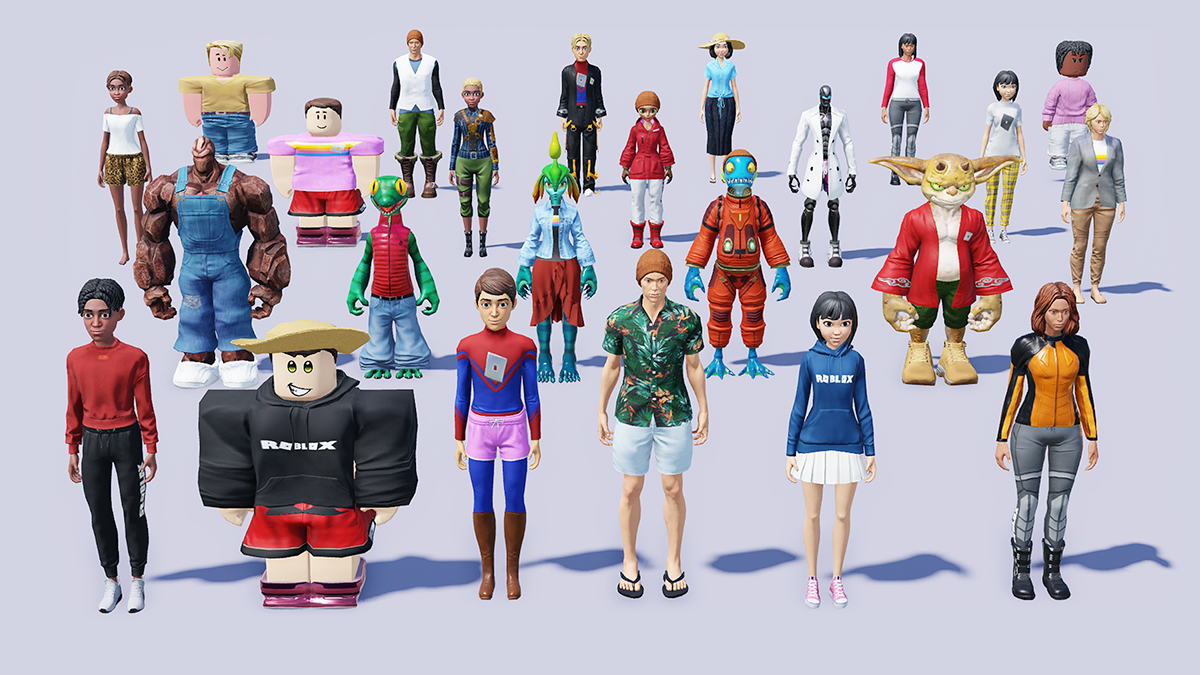


ROBLOX ADDED REALISTIC AVATARS AGAIN YouTube Hqdefault . Roblox Pushes Toward Avatar Realism Plans To Add NFT Like Limited Layered 1 1200x675 . Roblox 2026 Avatar YouTube Oar2 . Top 99 Realistic Avatar Roblox Ang G Y S T Tr N M Ng . Roblox Will Offer Layered Clothing And Facial Gestures For More 7e69a060 2d83 11ec Bdfd

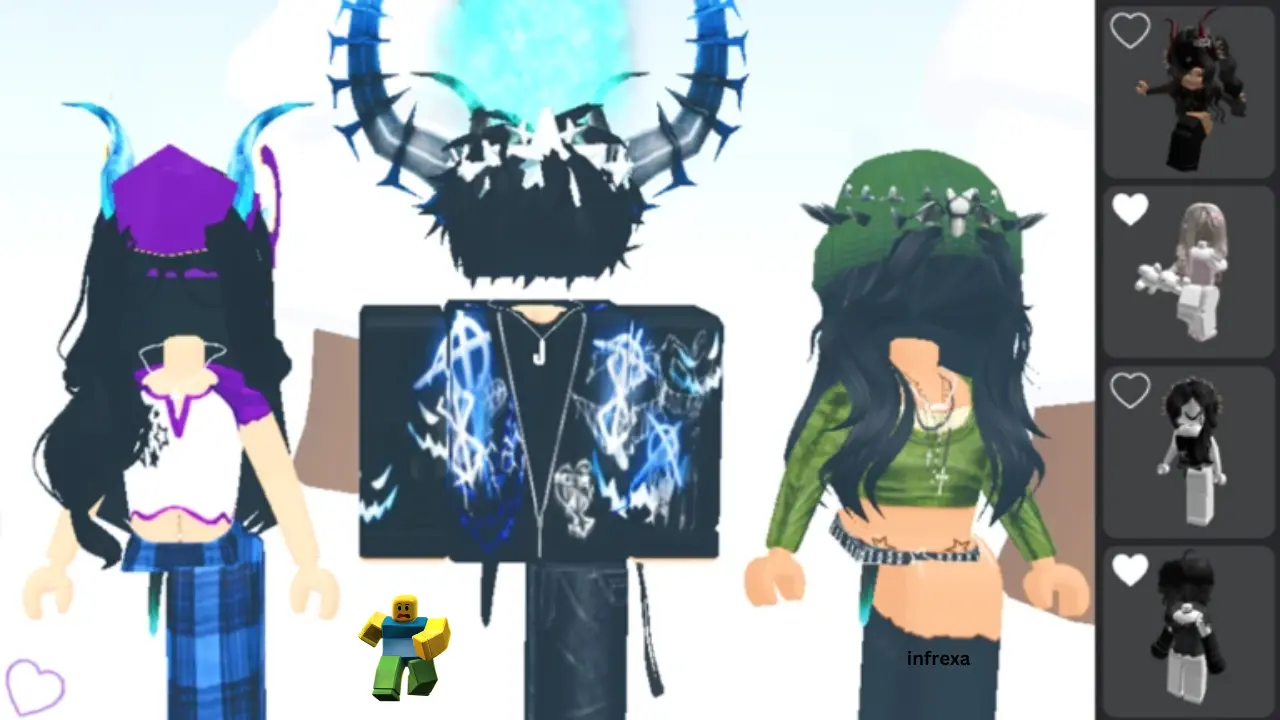


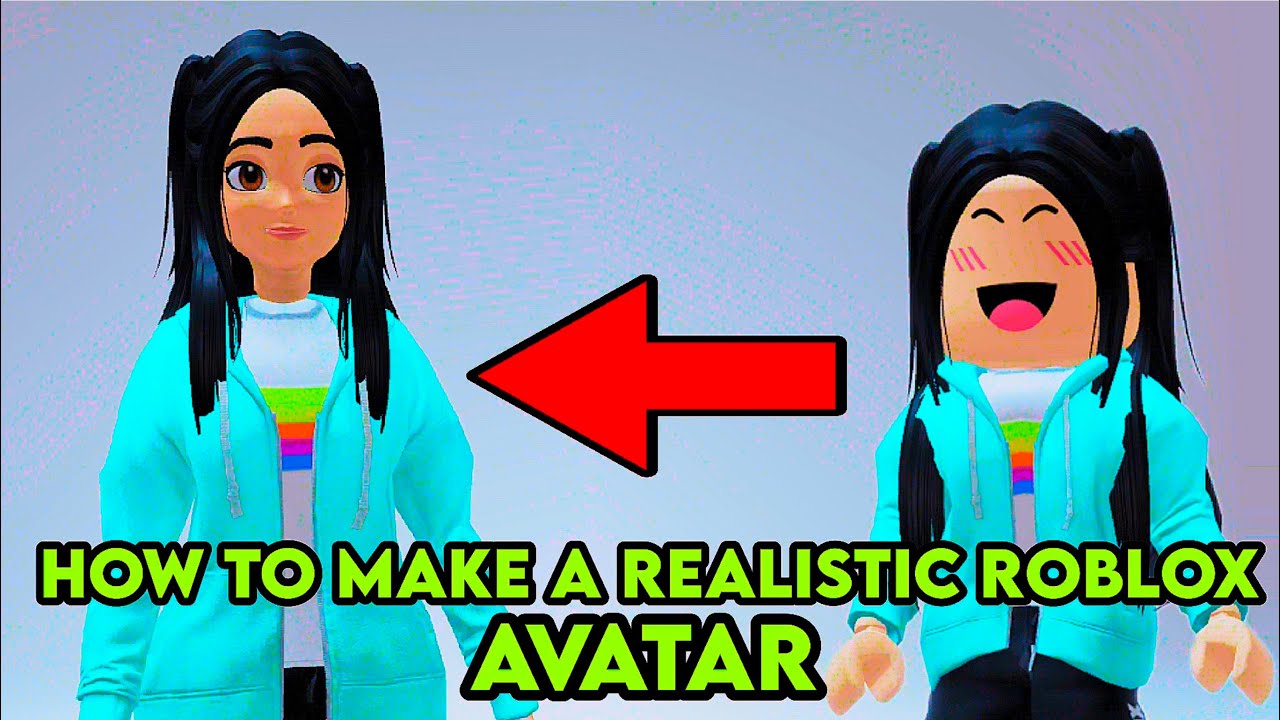
Roblox Avatars Boy Realistic The Best 26 Aesthetic S Roblox Roblox . 7 Fun Roblox Avatar Ideas From My Own Experience 2026 Infrexa Roblox Avatar Ideas.webp. I Made The Most REALISTIC ROBLOX AVATAR FREE YouTube . What Will Roblox Look Like In 2026 Blog Graphics 26 . HOW TO MAKE A REALISTIC ROBLOX AVATAR FOR FREE YouTube


Making Your Roblox Avatar Realistic Part 5 Roblox YouTube Oardefault . HOW TO MAKE THE MOST REALISTIC AVATAR IN ROBLOX HOWTOMAKE YouTube Hq2 . GET THIS FREE REALISTIC ROBLOX AVATAR NOW YouTube . Cute Realistic Roblox Avatars . How To Make A Realistic Roblox Avatar YouTube

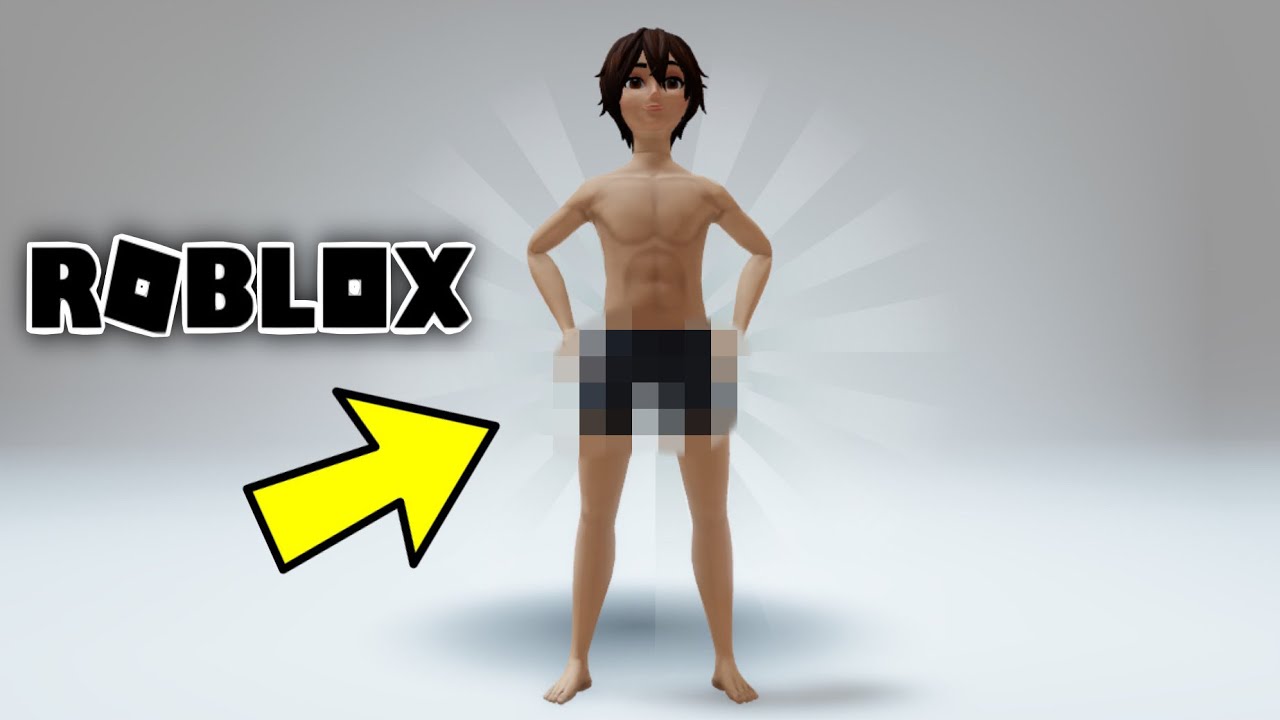
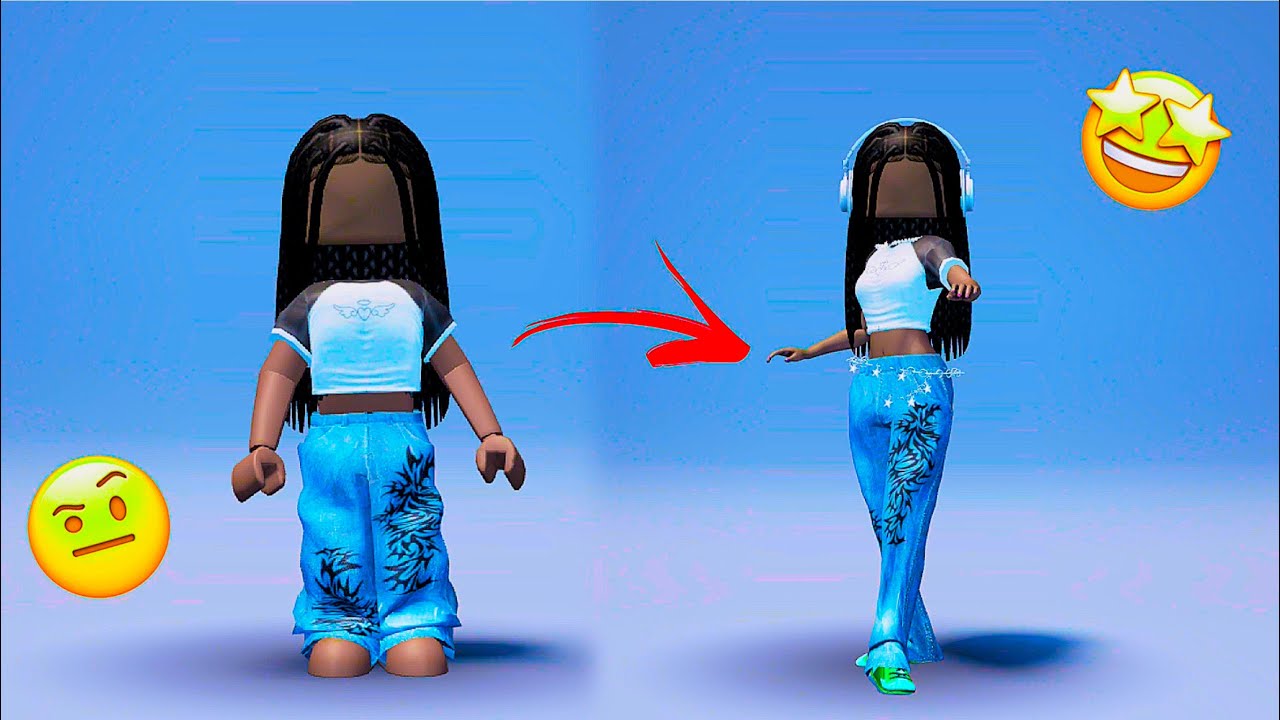

HOW TO MAKE A REALISTIC ROBLOX AVATAR YouTube . How To Have A REALISTIC AVATAR In Roblox YouTube . Roblox Realistic Models . Level Up Your Look Styling Your Roblox Avatar . Ideas De Avatar De Roblox


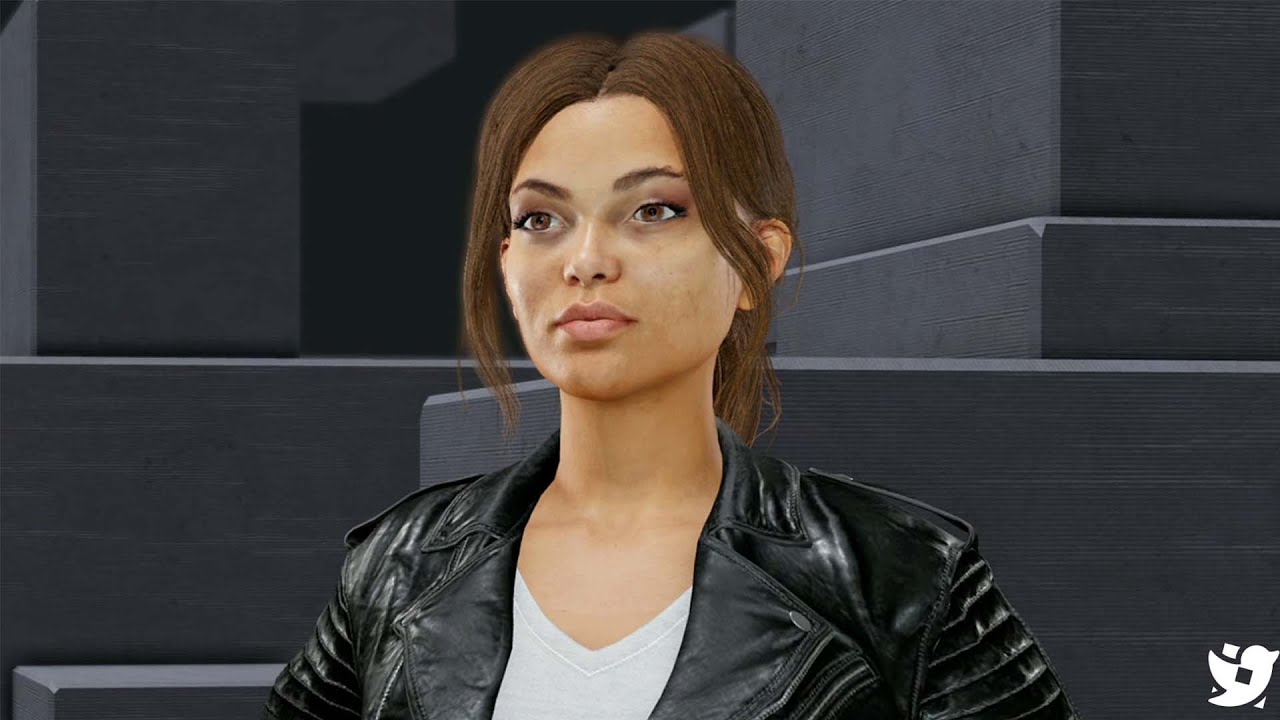


Roblox Avatars Ideas . Roblox Avatar Ideas In 2025 Female Avatar Roblox Pictures Emo . Roblox Realistic Avatars EARLY YouTube . 46 Roblox Avatars Ideas Roblox Avatar Roblox Guy . Reveals Avatar Setup Roblox Last Update 2026 Aztec Software Reveals Avatar Setup Roblox Last Update 2026


Roblox Avatar Artofit . Rocking The Roblox 2017 Avatar Look Discover The Best Cute Avatars For Roblox Afia . Cute Realistic Roblox Avatars . Prepare For 2026 With Roblox Trends TikTok Img. Roblox Aesthetic Avatars


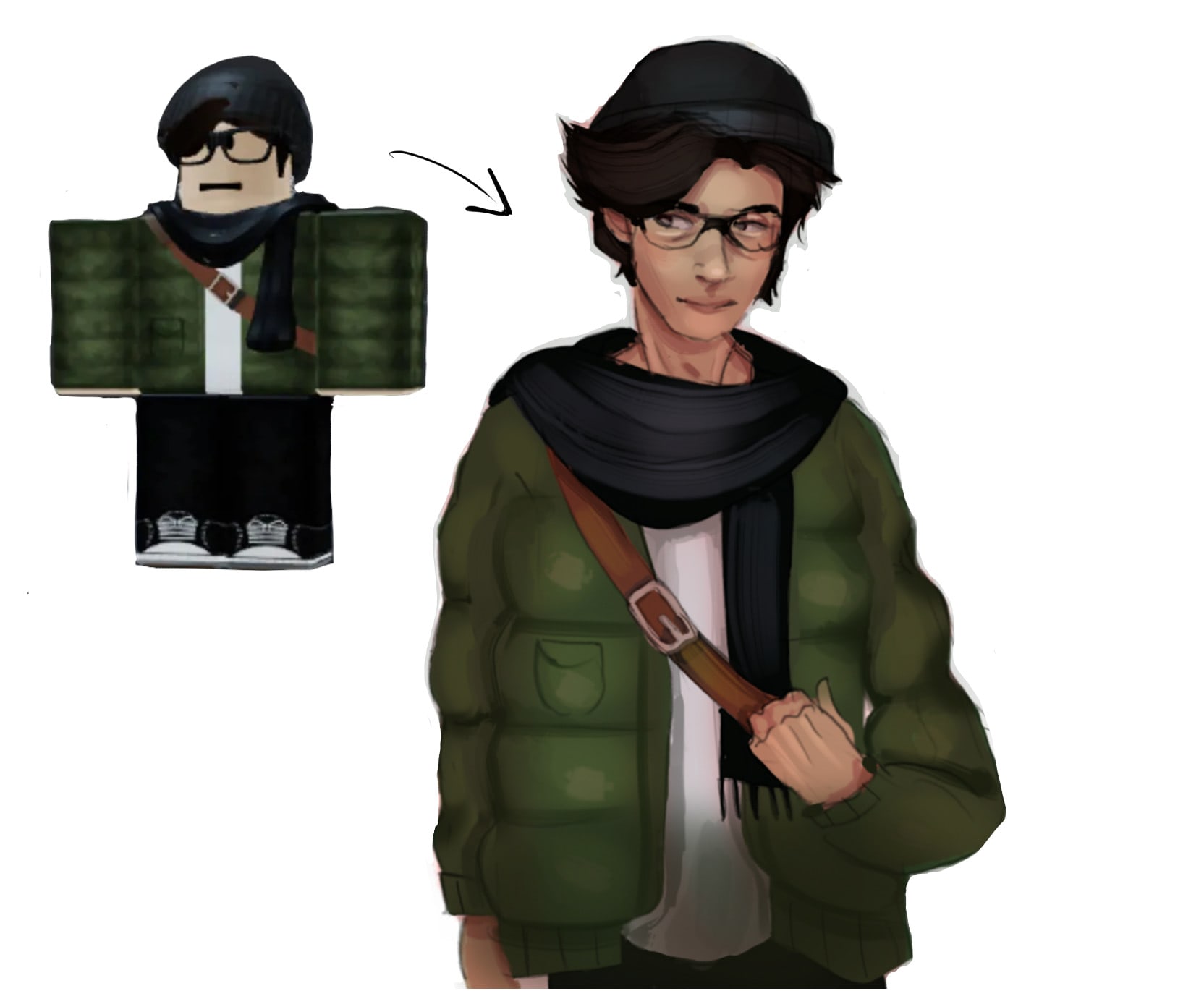
Roblox BUT Realistic Avatars YouTube . Realistic Roblox Avatar . Cute Realistic Roblox Avatars . Evolution Of My Roblox Avatar 2017 2024 R Evolution Of My Roblox Avatar 2017 2024 V0 . Top 99 Roblox Avatar Drawing Ang G Y S T Tr N M Ng Draw Your Minecraft Or Roblox Avatar