Many gamers often wonder if an Intel Core i5 processor can still deliver a great gaming experience in 2024. The answer is nuanced, depending heavily on the specific i5 generation and the games you plan to play. Modern i5 CPUs, especially from the 12th, 13th, and 14th generations, boast impressive core counts and clock speeds, making them highly capable for most mainstream titles. These processors offer an excellent balance of performance and cost, proving to be a fantastic value proposition for many PC builders. However, high-refresh-rate gaming at 1440p or 4K, or tackling highly CPU-intensive simulation and strategy games, might reveal the limits of an i5. Pairing an i5 with a powerful graphics card is crucial to unlock its full potential, ensuring smooth frame rates and enjoyable gameplay. This guide aims to answer common questions and provide clarity for anyone considering an Intel i5 for their next gaming rig. We will explore how different generations perform, what games they excel at, and how to optimize your setup for the best results.
Latest Most Questions Asked Forum discuss Info about can a intel i5 good for gamingWelcome to the ultimate living FAQ designed to address all your burning questions about whether an Intel Core i5 processor is still a viable option for gaming in today's ever-evolving landscape. We understand that choosing the right CPU can feel overwhelming with new hardware constantly emerging and game requirements shifting. This comprehensive guide, updated for the latest patches and hardware releases, aims to cut through the noise. Here, you'll find straightforward, in-depth answers covering performance, value, compatibility, and optimization tips. Whether you're planning a new build or considering an upgrade, our goal is to equip you with the knowledge to make an informed decision for your gaming setup. We've gathered insights from forum discussions, expert analyses, and real-world benchmarks to provide the most current and relevant information. This resource will help you navigate the complexities of CPU choices and ensure your gaming experience is top-notch.
Beginner Questions About Intel i5 Gaming
Is an Intel i5 good enough for gaming in 2024?
Yes, a modern Intel i5 processor, especially from the 12th, 13th, or 14th generation, is generally very good for gaming in 2024. These newer i5 chips offer excellent performance for most popular games at 1080p and 1440p resolutions. They strike a great balance between cost and capability, making them a popular choice for many gamers seeking strong value.
What i5 generation is best for gaming?
For gaming, the best i5 generations are currently the 12th (Alder Lake), 13th (Raptor Lake), and 14th (Raptor Lake Refresh) gen processors. These generations feature hybrid architectures with powerful P-cores and E-cores, delivering significant performance improvements over older models. The i5-13600K and i5-14600K are particularly strong contenders for high-performance gaming.
Can an i5 run new AAA games?
Absolutely, a modern Intel i5 can run most new AAA games effectively. When paired with a capable graphics card, an i5 (12th gen or newer) will provide smooth frame rates and an enjoyable gaming experience. It might not always hit the absolute highest frames per second compared to an i7 or i9, but it certainly offers solid playability.
Is an i5 better than an i3 for gaming?
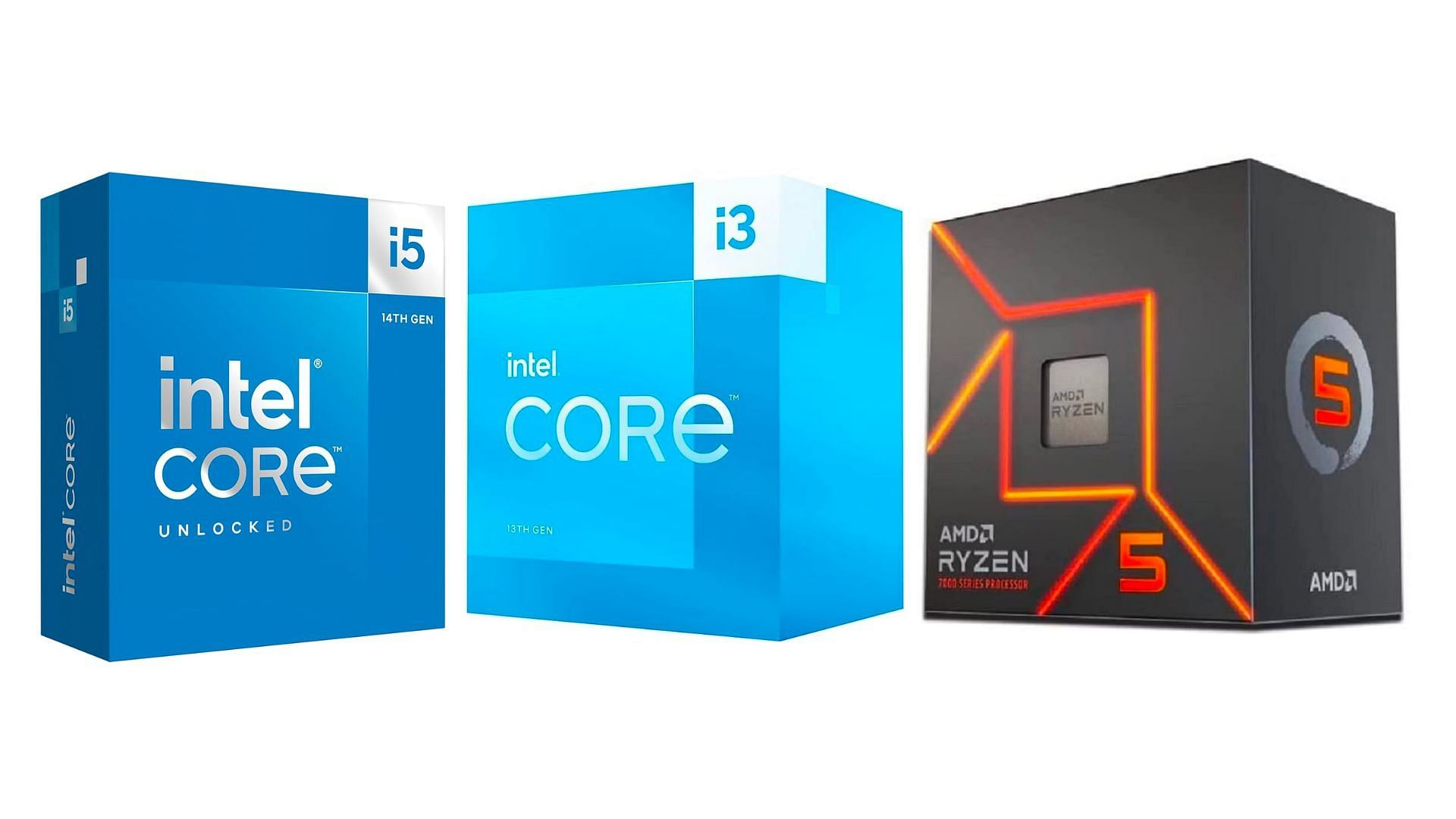
Generally, an Intel i5 is significantly better than an i3 for gaming. i5 processors typically have more cores, threads, and higher clock speeds, providing superior multitasking capabilities and better performance in CPU-intensive games. While an i3 can handle some light gaming, an i5 offers a much more robust and future-proof gaming experience.
Performance Insights for i5 Processors
What frame rates can I expect with an i5?
Expected frame rates with an i5 vary widely depending on the specific i5 model, GPU, game, and settings. However, with a modern i5 (12th gen+) and a mid-to-high-range GPU (e.g., RTX 4060/RX 7700 XT), you can expect 60+ FPS at 1440p or 100+ FPS at 1080p in many AAA titles. Competitive esports games often reach much higher frame rates.
Does i5 bottleneck an RTX 4070 or RX 7800 XT?
A modern i5 (13th or 14th gen) is unlikely to significantly bottleneck an RTX 4070 or RX 7800 XT for most gaming scenarios at 1440p or 4K. At 1080p with very high refresh rates, a slight CPU bottleneck could occur in some titles, but generally, it's a well-balanced pairing that delivers excellent performance.
How does i5 compare to i7 for gaming performance?
For pure gaming performance, especially at 1440p and 4K, the gap between a modern i5 and i7 has narrowed significantly. An i7 will typically offer slightly higher minimum frame rates and better performance in CPU-intensive scenarios or very high refresh rate gaming. However, the price-to-performance ratio often favors the i5 for many users.
Component Matching and Compatibility
What motherboard do I need for an Intel i5 gaming CPU?
The motherboard you need depends on your i5's generation. For 12th, 13th, and 14th gen i5s, you'll need an LGA 1700 socket motherboard. Chipsets like B660/B760 offer great value for non-K CPUs, while Z690/Z790 are ideal for unlocked 'K' series i5s to enable overclocking. Ensure it supports your desired RAM type (DDR4 or DDR5).
What RAM is best for an Intel i5 gaming system?
For an Intel i5 gaming system, especially 12th gen or newer, fast RAM is beneficial. Aim for at least 16GB (32GB is recommended for modern gaming) of DDR4 3200MHz or DDR5 6000MHz and higher. Ensure it's configured in a dual-channel setup (e.g., two 8GB sticks) for optimal performance. Higher speeds often translate to better frame rates.
Future Proofing Your i5 Gaming Build
How long will an Intel i5 last for gaming?
A modern Intel i5 (12th gen or newer) should last 3-5 years for gaming, depending on your resolution, target frame rates, and game choices. While it might require minor settings adjustments for future AAA titles, it will remain capable of delivering a playable experience for a considerable time. Regular GPU upgrades often extend its lifespan.
Is an i5 good for VR gaming?
Yes, a modern Intel i5 can be good for VR gaming. VR requires a strong CPU to handle game logic and maintain consistent frame times, which newer i5s excel at. Pairing it with a powerful VR-ready GPU is essential, but the i5 itself will generally not be the bottleneck for most current VR titles, providing a smooth virtual experience.
Budget Builds and Value
Is an i5 gaming PC a good budget option?
An i5 gaming PC is an excellent budget-friendly option, especially when focusing on value. Newer i5 chips offer compelling performance for their price point, allowing you to allocate more of your budget towards a more powerful graphics card. This strategy often results in a better overall gaming experience than a higher-tier CPU with a weaker GPU.
What is the best budget i5 for gaming?
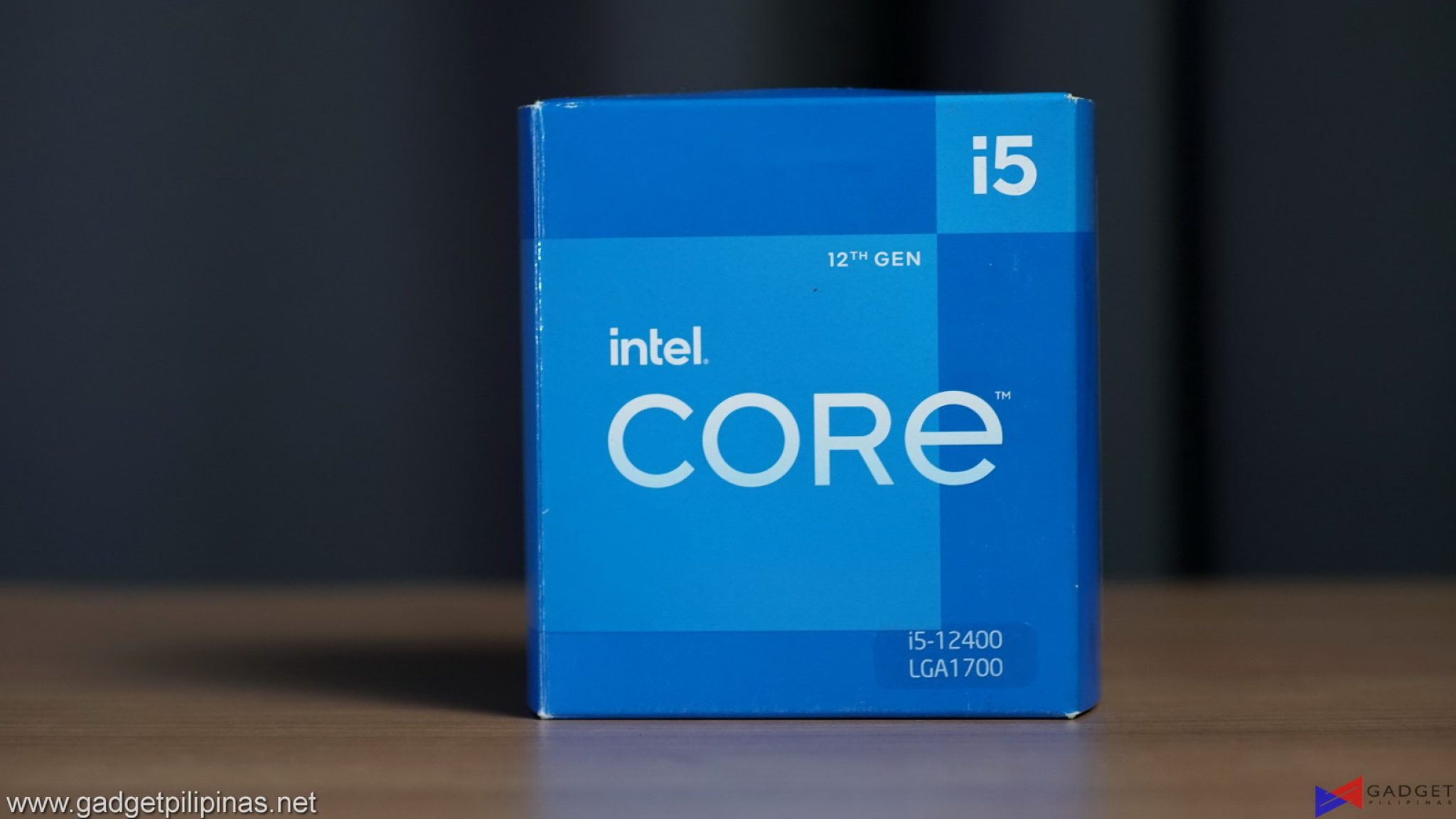
The Intel Core i5-12400F is often considered one of the best budget i5 processors for gaming. It offers fantastic raw gaming performance for its price, making it ideal for cost-conscious builds. For slightly more, the i5-13400F provides incremental improvements. These chips deliver great value for money without sacrificing too much performance.
Troubleshooting and Optimization
Why is my i5 gaming performance low?
Low i5 gaming performance can stem from several issues: an outdated GPU driver, insufficient RAM, slow storage, CPU or GPU overheating (thermal throttling), background applications consuming resources, or an older generation i5. Ensure all drivers are updated, monitor temperatures, and close unnecessary programs to diagnose and resolve the problem.
Specific Generations and Their Impact
How does an 11th Gen i5 perform compared to a 13th Gen for gaming?
An 11th Gen i5 will perform significantly worse than a 13th Gen i5 for gaming. The 13th Gen (Raptor Lake) features a hybrid architecture with more cores (P-cores and E-cores), higher clock speeds, and substantial IPC improvements. This translates to much higher frame rates and overall smoother performance in modern games compared to its older counterpart.
Benchmarks and Real-World Results
Where can I find i5 gaming benchmarks?
You can find i5 gaming benchmarks on reputable tech review sites, YouTube channels specializing in hardware reviews, and dedicated hardware comparison websites. Look for benchmarks that test the specific i5 model you're interested in, paired with GPUs similar to what you plan to use, across various popular game titles. Many sites provide detailed frame rate comparisons.
Buying Advice and Recommendations
Should I buy an i5 or Ryzen 5 for gaming?
Both Intel i5 and AMD Ryzen 5 offer excellent gaming performance, making the choice dependent on specific models and current pricing. Modern i5s (12th gen+) often have a slight edge in raw gaming performance, while Ryzen 5 (7000 series) excels in multi-threaded tasks. Consider benchmarks for your desired games and platform costs (motherboard, RAM) when deciding.
Still have questions? The most popular related question often asked is: Is it worth upgrading from an older i5 to a new one for gaming?Yes, upgrading from an older i5 (e.g., 6th-10th gen) to a current 12th, 13th, or 14th gen i5 is a highly recommended and worthwhile upgrade for gaming. You'll experience substantial improvements in frame rates, smoother gameplay, and better overall system responsiveness due to significant architectural advancements, higher core counts, and faster clock speeds.
Hey everyone! I know there's a big question on a lot of your minds these days: can an Intel i5 really cut it for serious gaming in 2024? It's a fair point to ask, especially with all the new CPUs coming out and games getting more demanding. Honestly, it's not a simple yes or no, but I've been diving into this for a while, and I've got some insights that might just surprise you. Many people think you need an i7 or i9 for anything decent, but that's not always the full picture. Let's break down how a modern Intel i5 processor truly performs when it comes to your favorite titles.
You see, the gaming world changes super fast, and what was considered top-tier just a few years ago might feel a bit slow now. But Intel has been innovating like crazy, making their i5 chips more powerful than ever before. It's truly impressive to see the strides they've made, offering excellent performance for the money. This makes them a very popular choice for many gamers building new systems on a budget or looking for great value. We will explore how different generations stack up.
Understanding Modern Intel i5 Generations for Gaming
When you talk about an Intel i5 being good for gaming, you really need to consider the generation. A 7th gen i5 is going to be vastly different from a 13th gen i5, it's just a fact. The newer generations bring significant architectural improvements, more cores, and better efficiency. This is vital for running today's complex game engines smoothly and efficiently. Understanding these generational leaps helps you make an informed decision when building or upgrading your PC. The performance gap between generations can be quite substantial, affecting your overall gaming experience significantly.
The Power of 12th Gen i5 Alder Lake for Gaming
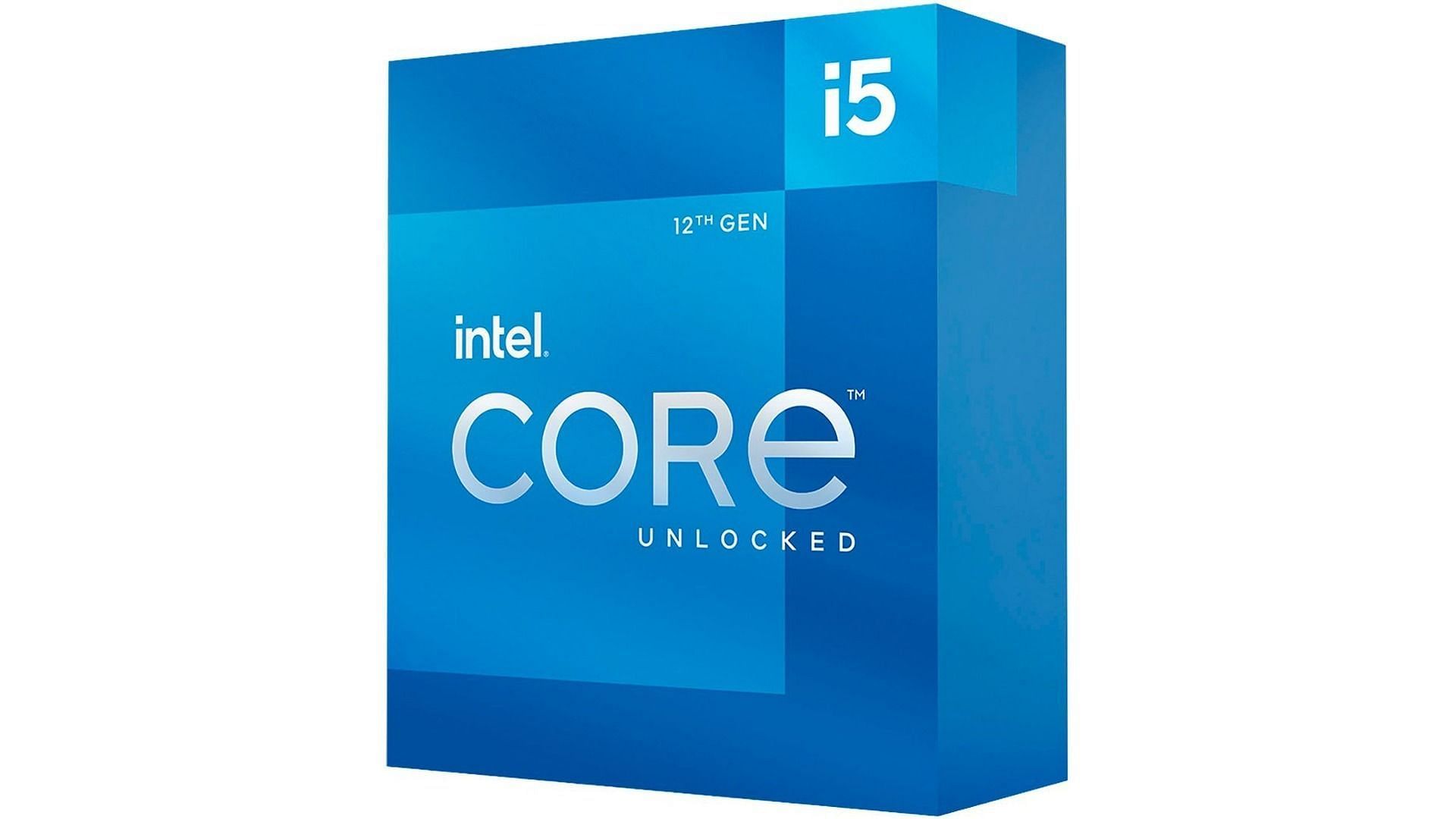
Intel's 12th generation, known as Alder Lake, introduced a hybrid architecture that really shook things up. These i5 processors feature a mix of Performance-cores (P-cores) and Efficiency-cores (E-cores), delivering a fantastic blend of raw power and multitasking capability. For gaming, those P-cores are absolute workhorses, pushing frames like crazy. Many gamers found the i5-12400 or i5-12600K to be incredible value options. They offer smooth gameplay in most AAA titles at 1080p and even 1440p when paired with a decent GPU. It truly marked a turning point for i5 chips in the gaming scene. These processors provide a great entry point into modern gaming without breaking the bank.
13th Gen i5 Raptor Lake: Stepping Up Performance
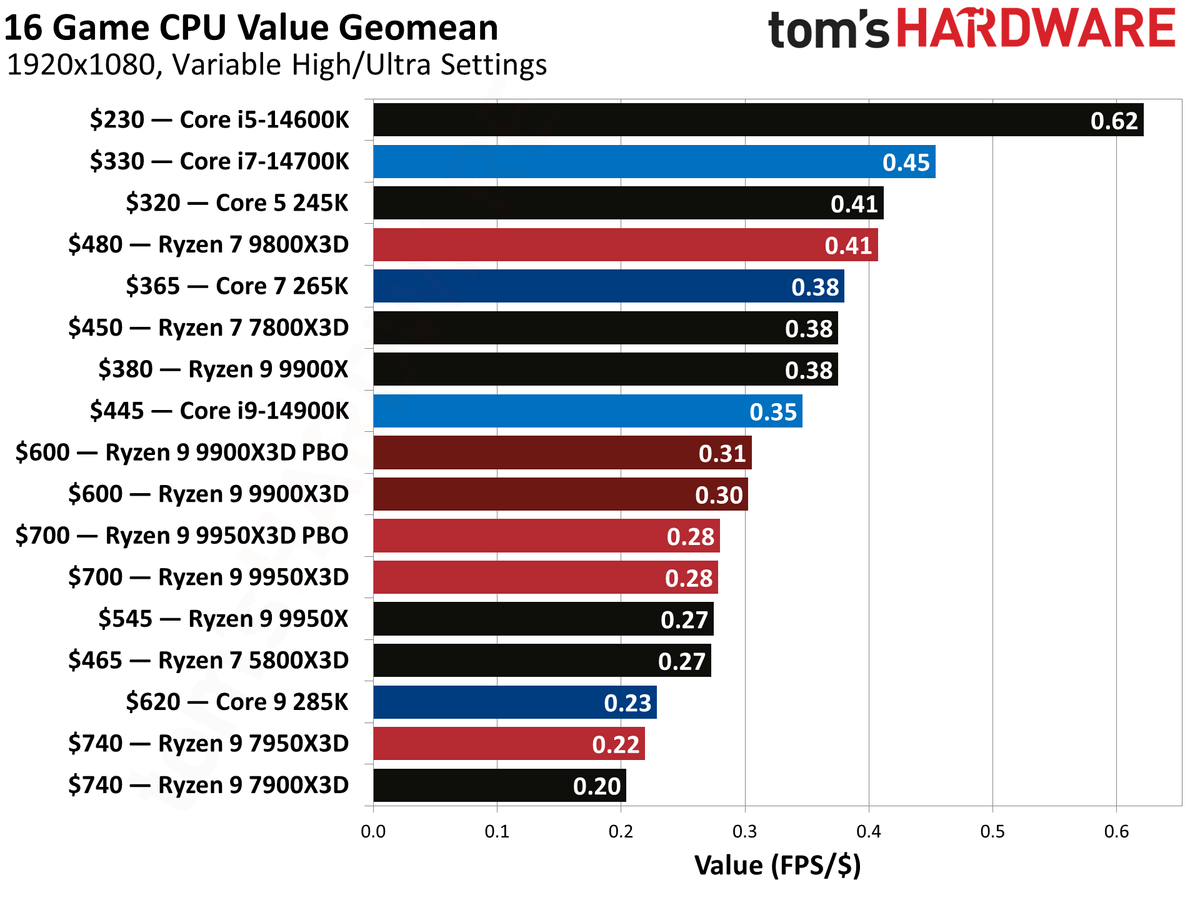
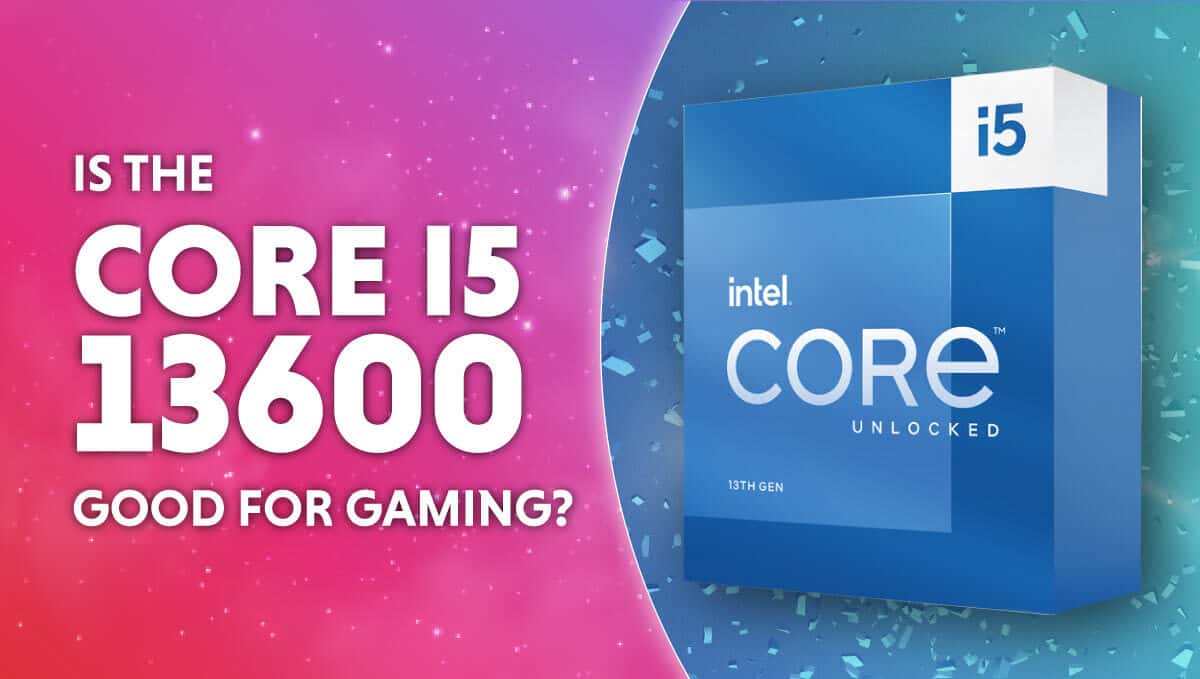
Following Alder Lake, the 13th generation Raptor Lake i5 CPUs further refined that hybrid design. They increased core counts, especially E-cores, and bumped up clock speeds, offering even better performance. The i5-13600K, for instance, became a true darling for gamers, often rivaling older i7 or even i9 chips in gaming benchmarks. Its enhanced multi-threading capabilities also mean it handles background tasks better, which is awesome if you're streaming or running Discord while gaming. This generation solidified the i5's position as a serious contender for mid-to-high-end gaming rigs. You can expect a very responsive and fluid gaming experience with these chips. This generation solved many performance bottlenecks that older CPUs faced.
14th Gen i5 Raptor Lake Refresh: Fine-Tuning Excellence
The latest 14th generation i5 processors are essentially a refresh of Raptor Lake, bringing minor clock speed improvements and better power efficiency. While not a massive leap, they still represent the pinnacle of i5 performance available right now. An i5-14600K will absolutely crush most games, providing top-tier frame rates and an exceptionally smooth experience. If you're building a brand-new system and want the best i5 available, these are definitely the chips to look at. They're optimized for current game titles and future-proofed for quite a while. This continuous refinement ensures that the i5 remains a strong option for gamers seeking excellent performance. It's a testament to Intel's ongoing commitment to pushing the boundaries of what's possible with their processors.
Pairing Your Intel i5 with the Right Graphics Card
Here's the honest truth: a CPU like an i5 is only part of the gaming equation. The real muscle for pushing pixels on your screen comes from your Graphics Processing Unit, or GPU. You could have the most powerful i5 in the world, but if you pair it with a low-end graphics card, your gaming performance will suffer dramatically. It's all about balance, really. Many people overlook this crucial component when planning their build. A well-matched CPU and GPU combination is key to unlocking the full potential of your gaming rig.
Think of your CPU as the brain that handles game logic and physics, and your GPU as the artist rendering all those beautiful visuals. They both need to be strong enough to keep up with each other. For a modern i5, you'd typically want to look at GPUs in the mid-range to high-end spectrum. Something like an Nvidia RTX 3060, RTX 4060 Ti, AMD RX 6700 XT, or RX 7700 XT would be fantastic pairings. These combinations ensure you get high frame rates at 1080p or 1440p resolutions. Don't cheap out on the GPU if you want a great gaming experience. This guide always emphasizes the importance of a balanced system. Related search often shows users asking about GPU pairings with i5 CPUs.
- For 1080p high refresh rate gaming: Consider an RTX 3060/4060 or RX 6600 XT/7600.
- For 1440p gaming: An RTX 3070/4070 or RX 6700 XT/7800 XT would be ideal.
- For entry-level 4K gaming: You might even push an RTX 4070 Ti or RX 7900 XT, but the i5 could become a bottleneck in some demanding titles.
When an Intel i5 Might Not Be Enough for Gaming
While modern i5 processors are undeniably good for gaming, there are scenarios where you might notice their limitations. It's important to be realistic about your expectations and specific use cases. No single component is perfect for every single scenario out there. Understanding these boundaries helps manage your expectations and guides you towards a better choice if your needs fall outside the i5's sweet spot. Many common questions revolve around these limitations, and we are here to provide an honest Answer. Resolving performance issues often starts with identifying bottlenecks.
Extreme High Refresh Rate Gaming
If you're chasing extremely high frame rates, say 240Hz or 360Hz, especially in competitive esports titles where every single frame counts, an i5 might struggle to consistently feed your GPU enough data. In these situations, a higher-end CPU like an i7 or i9 with more cores and higher boost clocks can provide that extra headroom. The goal is to maximize your GPU utilization at these very high frame rates. This is where the CPU becomes the limiting factor. Gamers who prioritize competitive advantages often consider an upgrade. The Question of whether an i5 can sustain 240 FPS is frequently asked.
CPU-Intensive Game Genres
Certain game genres are much more CPU-bound than others. Think grand strategy games like Europa Universalis IV or Civilization VI, complex simulation games like Microsoft Flight Simulator, or open-world titles with many NPCs and physics calculations. These games heavily rely on the CPU to process vast amounts of data. In these specific scenarios, an i5, while still playable, might experience more noticeable dips in frame rates or overall system responsiveness compared to an i7 or i9. It's not that the i5 can't run them, but the experience might be smoother on a more powerful chip. A related search topic often includes benchmarks for these specific game types.
Simultaneous Gaming and Streaming/Content Creation
If your plan isn't just to game, but also to stream your gameplay live, record high-quality content, or do heavy video editing, an i5 might begin to show its limits. These activities demand a lot of CPU resources running in the background while your game is also hogging cycles. An i7 or i9 with their higher core and thread counts will provide a much smoother experience for these multi-tasking scenarios. They simply have more processing power to spread around. The Answer to smooth streaming often involves a more powerful CPU. This Guide provides clear distinctions for various use cases.
Optimizing Your Intel i5 Gaming Setup
Even with a capable Intel i5, there are always ways to squeeze out a little more performance and ensure your gaming experience is as smooth as possible. Optimization isn't just for struggling systems; it helps any PC run better. These tips can help you resolve minor performance hitches. This proactive approach ensures you get the most out of your hardware investment. Many common questions relate to getting better performance without buying new parts.
- Update Drivers Regularly: This is a no-brainer, but seriously, keep your GPU drivers and chipset drivers up to date. Nvidia and AMD release performance optimizations constantly.
- Proper Cooling: An i5 running too hot will throttle its performance. Invest in a decent CPU cooler, even for non-K versions. Good airflow in your case is also vital.
- Fast RAM: Don't overlook your RAM speed. Modern Intel CPUs benefit significantly from faster RAM (e.g., DDR4 3200MHz or DDR5 6000MHz+). Make sure it's running in dual channel.
- SSD Storage: Games load much, much faster from an NVMe SSD compared to a traditional HDD. This won't boost in-game FPS, but it dramatically improves your overall gaming experience.
- Clean Operating System: Keep your Windows installation lean. Close unnecessary background apps while gaming. Disable services you don't need.
- Game Settings Adjustments: Sometimes, a few tweaks in a game's graphics settings can make a huge difference without sacrificing much visual quality. Experiment with shadows, anti-aliasing, and post-processing.
Conclusion: Is an Intel i5 Good for Gaming in 2024?
So, after all that, what’s the final word? Can an Intel i5 be good for gaming in 2024? Absolutely, yes it can, especially the newer generations like 12th, 13th, and 14th gen. For the vast majority of gamers playing at 1080p or 1440p resolutions, a modern i5 provides excellent performance and incredible value for money. It's a fantastic choice for building a solid gaming PC that will run most titles smoothly. You don't always need the most expensive components to have a great time. This guide truly helps to solve the common misconception.
However, it’s not a one-size-fits-all answer. If you're chasing the absolute highest frame rates, engaging in heavy multi-tasking like streaming, or playing extremely CPU-intensive simulation games, then stepping up to an i7 or even an i9 might be a better investment for you. But for the average gamer looking for a balance of performance and price, an Intel i5 is often the sweet spot. It offers a powerful core for your gaming needs. What exactly are your specific gaming goals, if you don't mind me asking?
Modern Intel i5 CPUs offer strong gaming performance. Great value for budget-conscious gamers. Excellent for 1080p and 1440p gaming. Needs a good GPU pairing to maximize potential. Newer generations like 12th 13th 14th gen are highly capable. Can handle most popular game titles effectively. Consider i7 or i9 for extreme high refresh rates or CPU intensive tasks.
35
Best I5 CPU For Gaming 2026 Top 8 Models Tested Best I5 CPU For Gaming . Is I5 Core Good For Gaming Your Essential CPU Guide For Gamers Tenteck Is I5 Core Good For Gaming.webp. This Intel Core I5 14600K Is Still A Massive 39 Off Get A Free 1TB 1200 80 . Is Intel I5 Good For Gaming Definitive Answer 2024 Is Intel I5 Good For Gaming . Is The Intel Core I5 7th Generation Good For Gaming Is Core I5 7th Gen Good For Gaming 696x464

Meilleur Processeur Gaming 2026 Comparatif AMD Vs Intel Guide Complet Cpu Gaming Intel. The 6 Best CPUs For Gaming In 2026 Tested With Benchmarks Tech4Gamers Best Budget Intel Gaming CPU 300x157 . Intel Mini PCs 2026 Compact Power For Every Need GEEKOM Intel Core Ultra 5 Vs Intel Core I5.webp. Is Intel Core I5 Good For Gaming Unleash Your Gaming Potential Tpa10 Com Is Intel Core I5 Good For Gaming . Is The Intel Core I5 7th Generation Good For Gaming Is Intel Core I5 8th Gen Good For Gaming 356x364

Is The Intel Core I5 7th Generation Good For Gaming Is Intel Core I5 2400 Good For Gaming 356x364 . 7 Best CPUs For Your Gaming PC In 2025 Deltia S Gaming MixCollage 15 Jan 2025 03 48 PM 8492 768x421 . What You Should Know About Intel I5 CPUs Newegg Insider Inteli5 4 1024x576 . 5 Best Budget Gaming CPUs In 2025 Deltia S Gaming Intel Core I5 13400F 1536x864 . 5 Best Budget Gaming CPUs In 2025 Deltia S Gaming Intel Core I5 12600K 1 1536x864


5 Best CPUs For Gaming 2024 8b779 1920 . Best Gaming CPU 2025 Best Gaming Cpu Intel I3400F 550x309 . INTEL ULTRA 5 245K Vs INTEL I5 13600K Test In 6 Games YouTube . Is An Intel Core I5 Good For Gaming UMA Technology SL160 . Is The Intel Core I5 2500K Still Good Enough For PC Games Today 4HfhOlCM0Gg



INTEL I5 1235U GAMING TEST 2024 YouTube . Is The Core I5 13420H CPU Good For Gaming Intel Mobile 13420h For Gaming . Best Budget Intel AMD CPUs For Gaming In 2024 Intel Core I5 10600k Cpu . Is The I5 13600 Good For Gaming WePC Is The 13600 Good For Gaming . Intel Core I5 1235U Forza Horizon 5 Gaming Performance YouTube



Intel Core I5 1035G1 Intel UHD Graphics 630 23 GAMES TESTED IN 02 . Php 50k Gaming PC Build Guide Q1 2023 With Benchmarks Core I5 12400 50k Gaming PC Build Guide 2023 Philippines 11 2048x1152 . 5 Best Budget CPUs For Gaming In 2024 20364 1920 . Can An Intel Core I5 4 Core Game In 2019 YouTube . CPU PC Guide 101 Is Intel Core I3 Good For Gaming Featured 2 1536x864



Best Gaming CPU 2025 Best Gaming Cpu Intel Core I5 12400f 550x309 . Is Intel I5 Good For Video Editing In 2025 Here S What You Need To Is Intel Core I5 Good For Video Editing . Can A 9 Year Old Intel I5 Still Game In 2023 I5 4690K 4 3Ghz OC . Intel 10th Gen I5 10600K GTX 1660 Super Gaming PC Build Perfect . Intel Core I5 11600K Review Still A Good Mid Range CPU In 2023 Intel Core I5 11600K Gaming Performance 1024x559