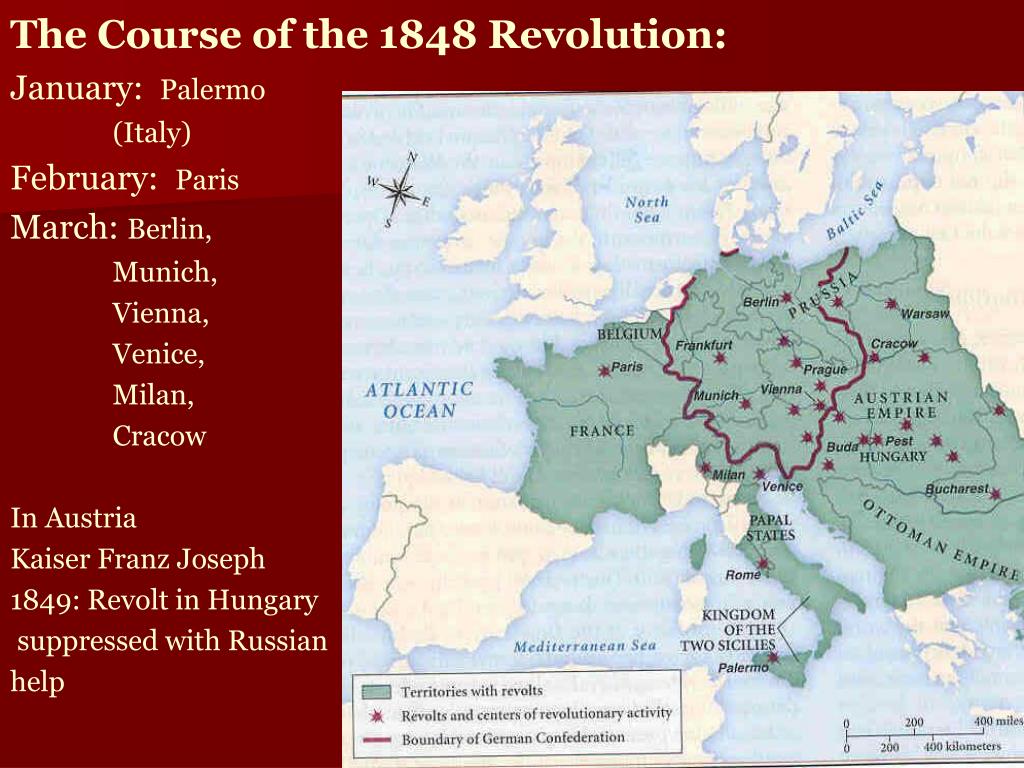
Have you ever looked at a map of Europe and wondered about the dramatic changes that shaped nations? The Revolutions of 1848 map offers a crucial visual journey into one of history's most turbulent years. These widespread uprisings, often dubbed the Springtime of Peoples, swept across the continent, challenging established monarchies and old political orders. Understanding where and why these revolutions ignited, their spread, and their eventual outcomes is absolutely essential for anyone interested in modern European history. This map isn't just a static image; it's a dynamic storytelling tool that highlights interconnected struggles for liberty, nationalism, and social reform. It provides invaluable navigational insights into the complex web of political unrest, military campaigns, and shifting borders during a pivotal period. Exploring this historical cartography helps us grasp the immense scale of human aspiration and conflict that defined the mid-19th century.
Latest Most Asked Questions about the Revolutions of 1848 MapWelcome to our ultimate living FAQ about the Revolutions of 1848 map, updated with the latest insights and common questions people are asking! This pivotal year in European history saw a wave of liberal and nationalist uprisings sweep across the continent, profoundly reshaping political landscapes. Understanding these events through detailed maps is crucial for grasping their spread, impact, and interconnectedness. Whether you're a student, a history enthusiast, or just curious, this guide aims to answer your burning questions, providing clear, concise information that navigates the complexities of 1848. We've compiled the most popular queries, offering answers optimized for quick understanding and featured snippets. Dive in to resolve any mysteries surrounding this fascinating period!
Understanding the Scope of 1848
What was the main goal of the Revolutions of 1848?
The main goals were diverse, but generally centered on demands for liberal reforms, such as constitutional governments, freedom of the press, and universal male suffrage. Additionally, strong nationalist sentiments drove movements seeking self-determination and the creation of unified nation-states, particularly in the German states, Italy, and the Austrian Empire. These aspirations challenged the conservative monarchies established after the Napoleonic Wars.
Where did the Revolutions of 1848 take place?
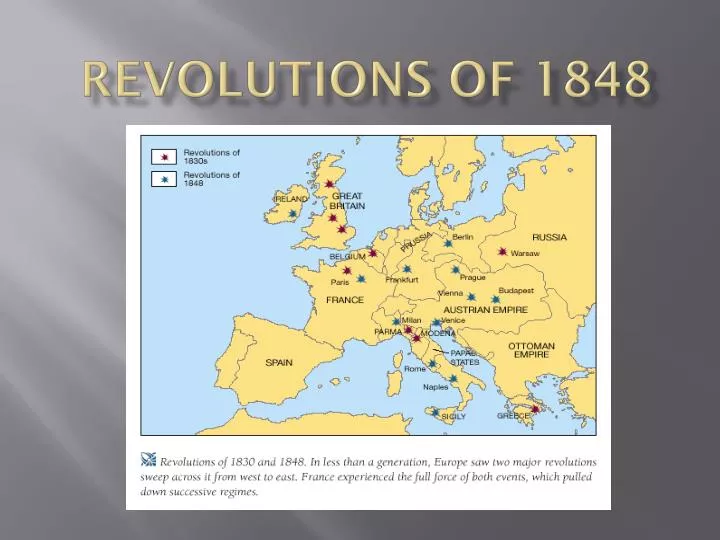
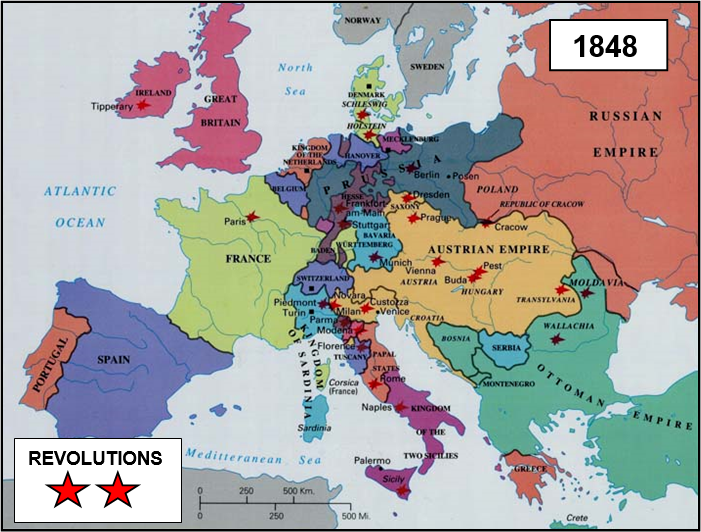
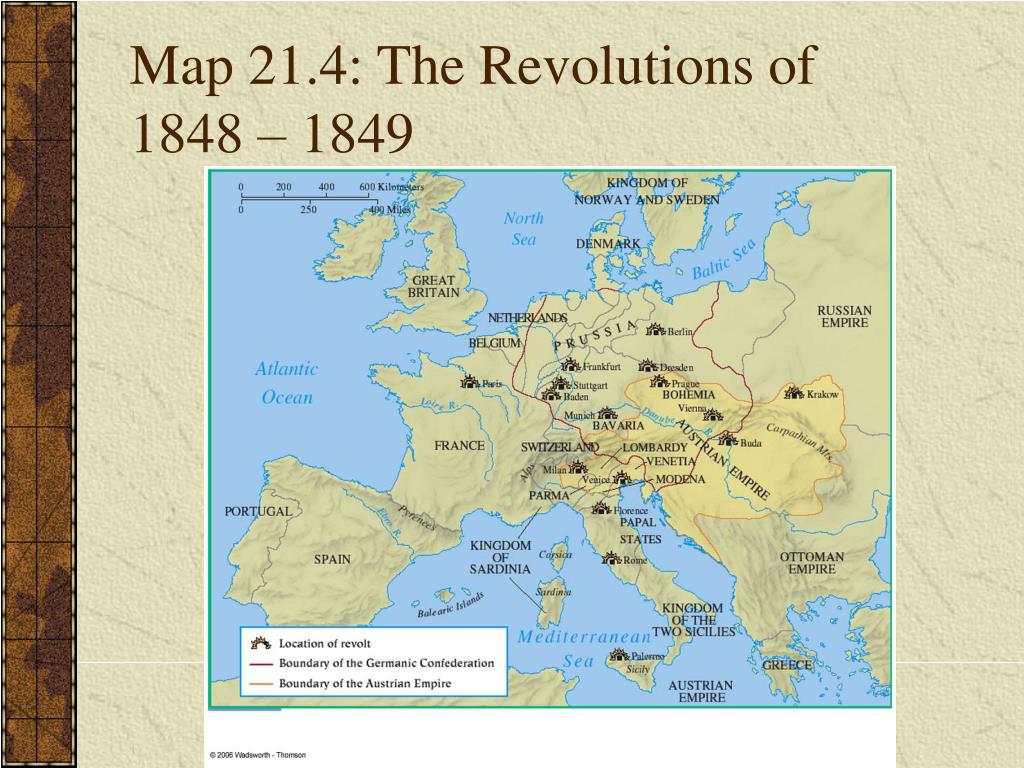
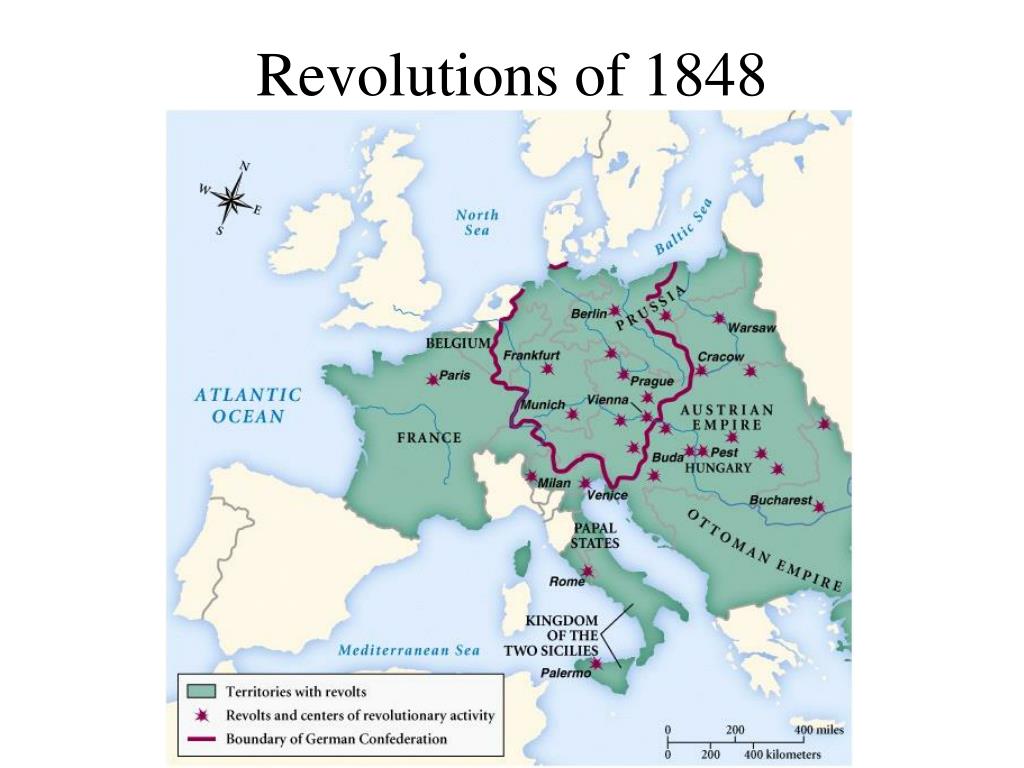
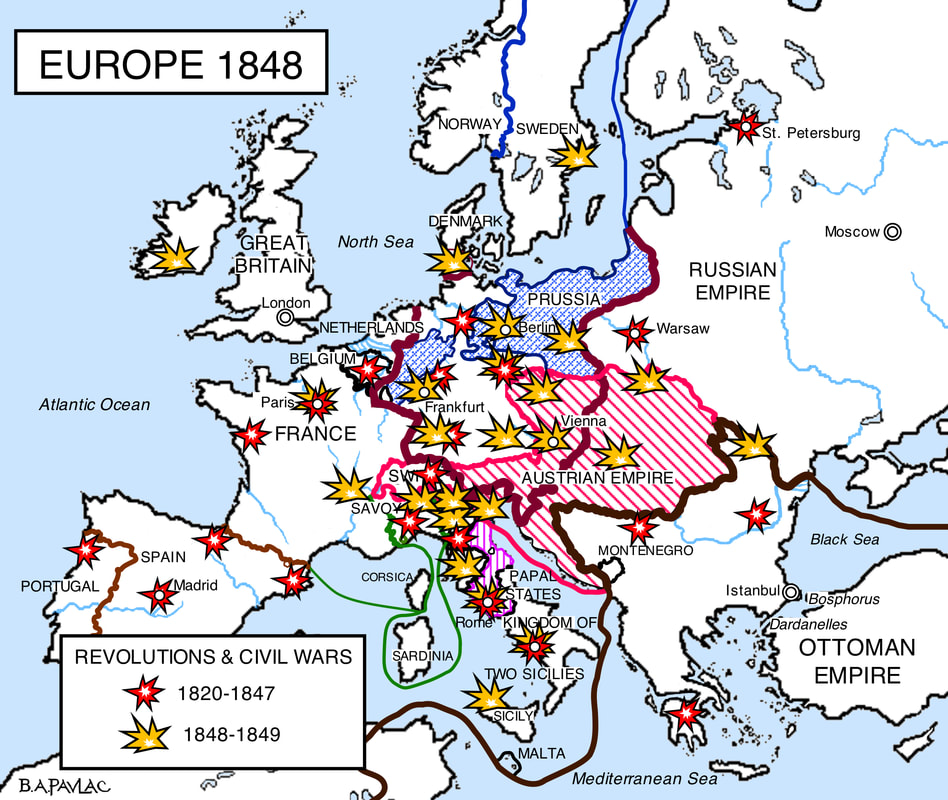
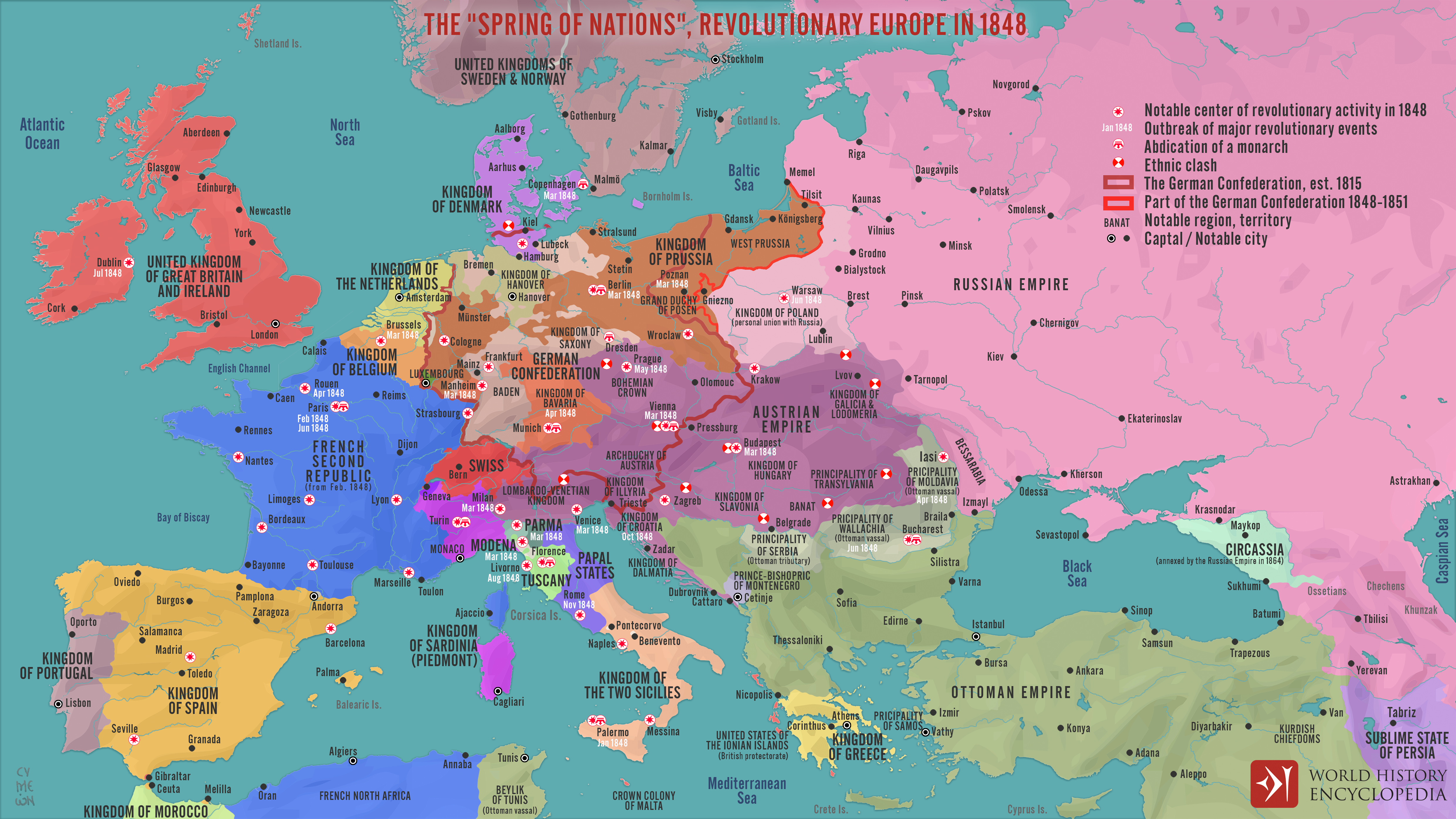
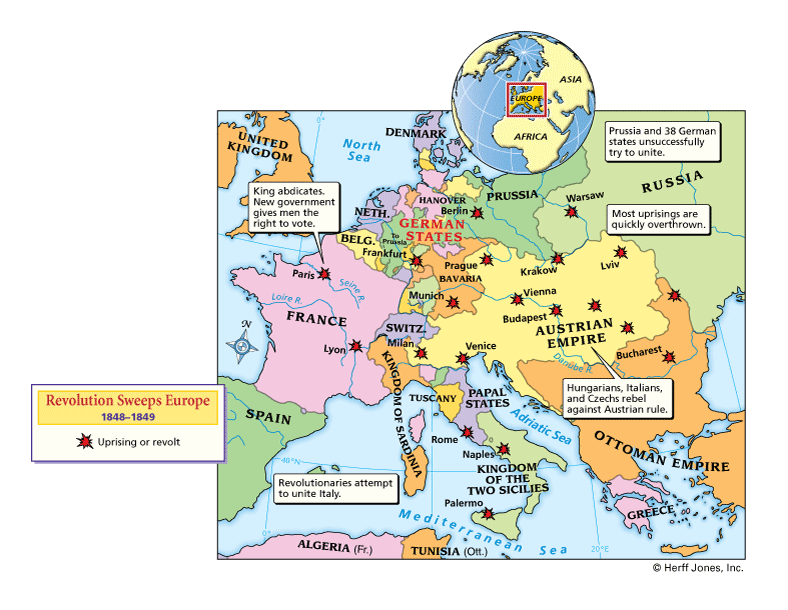
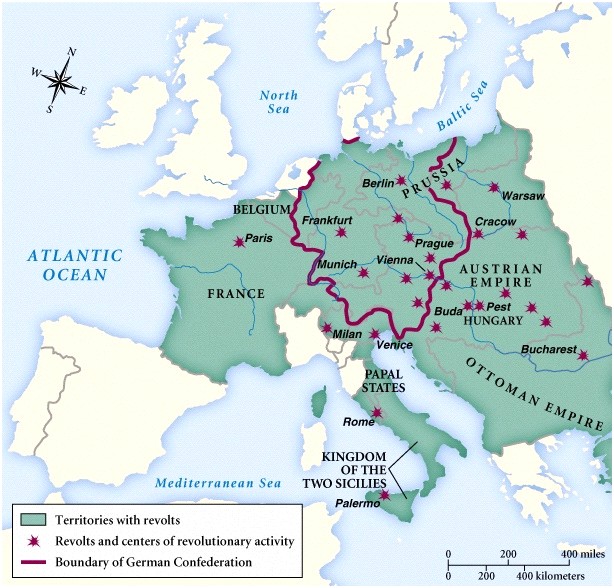
The Revolutions of 1848 were incredibly widespread, erupting across most of continental Europe. Key areas included France (Paris), the German states (Berlin, Frankfurt), the Austrian Empire (Vienna, Budapest, Prague, Milan, Venice), and various Italian states (Rome, Naples). Smaller uprisings also occurred in regions like Poland and the Romanian principalities, illustrating a continent-wide desire for change.
Why are the Revolutions of 1848 called the Springtime of Peoples?
They are called the Springtime of Peoples because they represented a period of immense hope and widespread popular uprisings across Europe. Like spring, it symbolized a new season of political and social awakening, with various ethnic groups and social classes rising to demand national self-determination, liberal constitutions, and democratic reforms. This metaphor highlights the widespread nature and initial optimism of these movements.
Key Players and Regions on the Map
How did the Revolutions of 1848 impact Germany?
In Germany, the revolutions aimed for liberal reforms within individual states and the unification of the German states. The Frankfurt Parliament attempted to draft a liberal constitution and unify Germany, but it ultimately failed when the King of Prussia refused the imperial crown. Despite this, the events significantly advanced the idea of German unity and laid groundwork for future unification efforts, as a map of the era clearly shows.
What role did France play in the 1848 Revolutions?
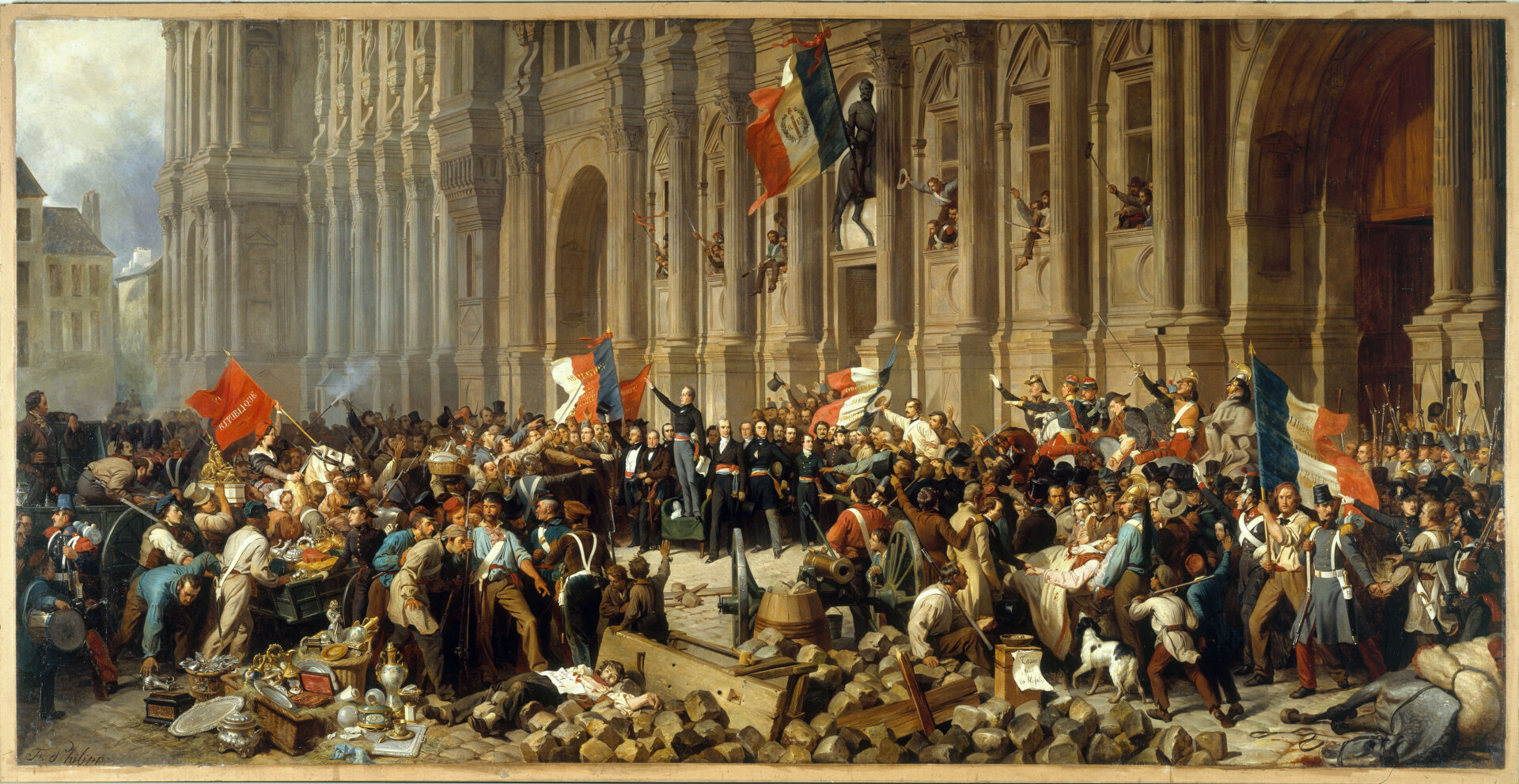
France played a crucial role as the initial spark. The February Revolution in Paris led to the overthrow of King Louis-Philippe and the establishment of the Second French Republic. This event inspired widespread uprisings across Europe, demonstrating that established monarchies could be challenged. However, France later intervened to suppress the Roman Republic, impacting events in Italy.
How did the Austrian Empire fare during the 1848 Revolutions?
The multi-ethnic Austrian Empire faced severe challenges from various nationalist groups—Hungarians, Czechs, Italians, and Poles—who sought autonomy or independence. While initially shaken, the Habsburg government ultimately suppressed the revolts with military force, often by playing different ethnic groups against each other and with Russian assistance in Hungary. The empire survived largely intact, but the seeds of future nationalist conflicts were deeply sown.
What was the outcome of the Italian Revolutions of 1848?
The Italian Revolutions of 1848, driven by the Risorgimento movement, aimed to expel Austrian rule and unify Italy. Revolts in Milan, Venice, and the establishment of the Roman Republic were notable. Although these efforts ultimately failed to achieve immediate unification due to Austrian military superiority and French intervention, they galvanized nationalist sentiment and solidified the Kingdom of Sardinia-Piedmont as a future leader for Italian unity.
Analyzing the Failures and Legacy
Why did most of the 1848 Revolutions fail?
Most revolutions failed due to a combination of factors: lack of unity among diverse revolutionary factions with differing goals; the superior military strength and cohesion of conservative governments; a growing fear of radicalism among middle-class liberals who sometimes sided with the old regimes; and crucial interventions by foreign powers like Russia and France, which suppressed key uprisings. These factors collectively proved too formidable for the fragmented revolutionary forces.
What was the long-term impact of the Revolutions of 1848?
Despite their immediate failures, the Revolutions of 1848 had profound long-term impacts. They planted indelible seeds of liberalism, democracy, and nationalism, influencing future movements for national unification in Germany and Italy. They also pushed European governments towards some reforms to prevent future upheavals and highlighted the enduring power of popular demand for change. The map reveals the areas where these lasting ideas took root.
Still have questions? The most popular related answer often revolves around understanding the interconnectedness of these events across different countries. How do you think these revolutions might have turned out if the revolutionaries had been more unified?
Hey there, history buffs! Ever found yourself staring at an old map and wondering, "What in the world was going on here?" Specifically, have you ever really delved into the Revolutions of 1848 map and tried to figure out why virtually all of Europe just seemed to explode? Honestly, it’s a lot to take in, but mapping these massive upheavals makes so much more sense. It helps us visualize the "Springtime of Peoples," a period when ordinary citizens, inspired by dreams of freedom and national identity, rose up against the old guard. It’s wild to think about how many countries experienced such dramatic shifts all at once, isn't it?
You know, people often ask, "Why are the Revolutions of 1848 so important?" and honestly, a map tells a huge part of that story. These weren't isolated incidents; they were a connected series of events that swept from Paris to Vienna, Berlin to Budapest, and beyond. Understanding the geographical spread helps us see the common threads, like demands for more democratic governments, an end to serfdom, and the rise of nationalist sentiments. It’s like watching a domino effect across an entire continent. So, let’s dig into this fascinating period, because it really did lay the groundwork for a lot of what Europe is today.
The Explosive Spread: Why Everywhere At Once?
So, why did revolutions erupt all across Europe in 1848? Well, it wasn't just one thing, but a perfect storm of political, social, and economic pressures. Think of it like a pressure cooker that finally blew. A lot of countries were experiencing serious economic hardship, with bad harvests leading to food shortages and rising unemployment. People were hungry and desperate, which is a powerful motivator for change, you know?
Politically, many European states were still governed by conservative monarchies that had been in power since the Congress of Vienna in 1815. These rulers resisted any calls for liberal reforms, like freedom of the press, constitutional government, or universal male suffrage. But ideas of liberalism and democracy were spreading like wildfire, fueled by the Enlightenment and the earlier French Revolution. People wanted a say in their own governance, which makes total sense.
And then there’s nationalism, a huge factor we see clearly on any Revolutions of 1848 map. In places like the Austrian Empire and the German and Italian states, different ethnic groups were yearning for self-determination and the creation of their own nation-states. They didn't want to be ruled by foreign powers or simply be part of larger, multi-ethnic empires anymore. This desire for national unity and independence was incredibly powerful and shaped many of the uprisings.
The Spark in France: A New Revolution
It’s no surprise that France kicked things off again, right? Paris had a long history of revolutionary fervor. The February Revolution in Paris started when King Louis-Philippe’s government tried to suppress political meetings. This sparked massive street protests and quickly escalated into full-blown revolution. The king abdicated, and the Second French Republic was proclaimed.
The events in Paris sent shockwaves across the continent, showing that even established monarchs could be overthrown. It truly inspired other liberal and nationalist groups to take action in their own countries. You can really see this ripple effect when you trace it on a map.
German States: Dreams of Unity and Freedom
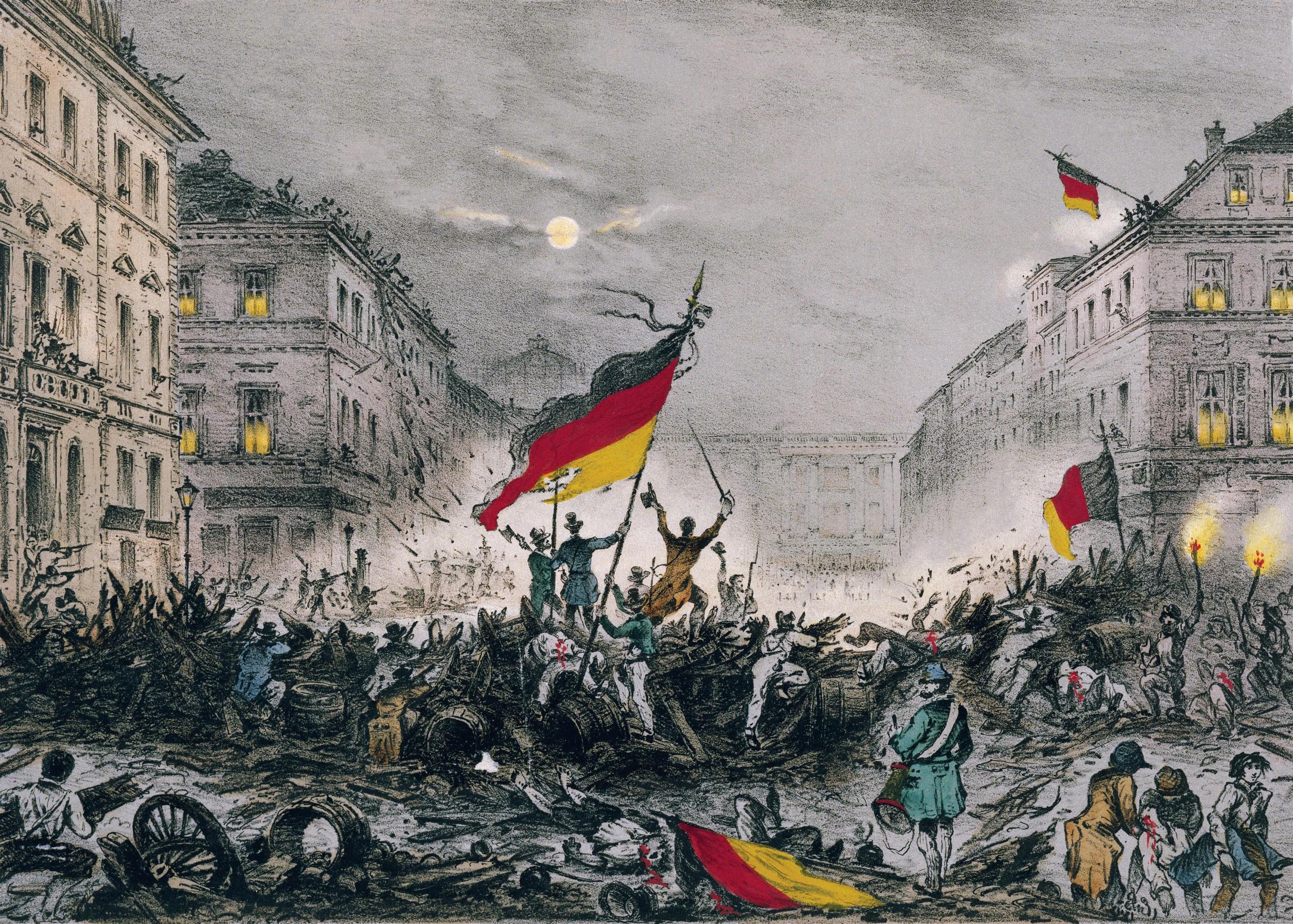
In the German states, the revolutions of 1848 were driven by a dual desire: for liberal reforms within individual states and for the unification of Germany into a single nation-state. Uprisings occurred in various cities like Berlin and Frankfurt. People demanded constitutional government and greater civil liberties. It was a really exciting, albeit chaotic, time for Germans.
The Frankfurt Parliament was a major attempt to create a unified German state with a liberal constitution. Representatives from across the German Confederation met to draft a constitution and offer the imperial crown to the King of Prussia. However, the King ultimately refused, and the movement failed to achieve lasting unity at that point. Still, this effort was a crucial step towards future German unification, and its impact is clear on the historical map.
The Austrian Empire: A Multi-Ethnic Crucible
The Austrian Empire, a vast and diverse realm ruled by the Habsburgs, was perhaps the most complex battleground of the 1848 revolutions. It was a true melting pot of different nationalities including Germans, Hungarians, Czechs, Poles, Croats, Serbs, and Italians. Each group had its own grievances and aspirations, often clashing with each other as much as with the imperial government. This really highlights why a detailed map of the Revolutions of 1848 is so important here; it shows the fractured nature of the empire.
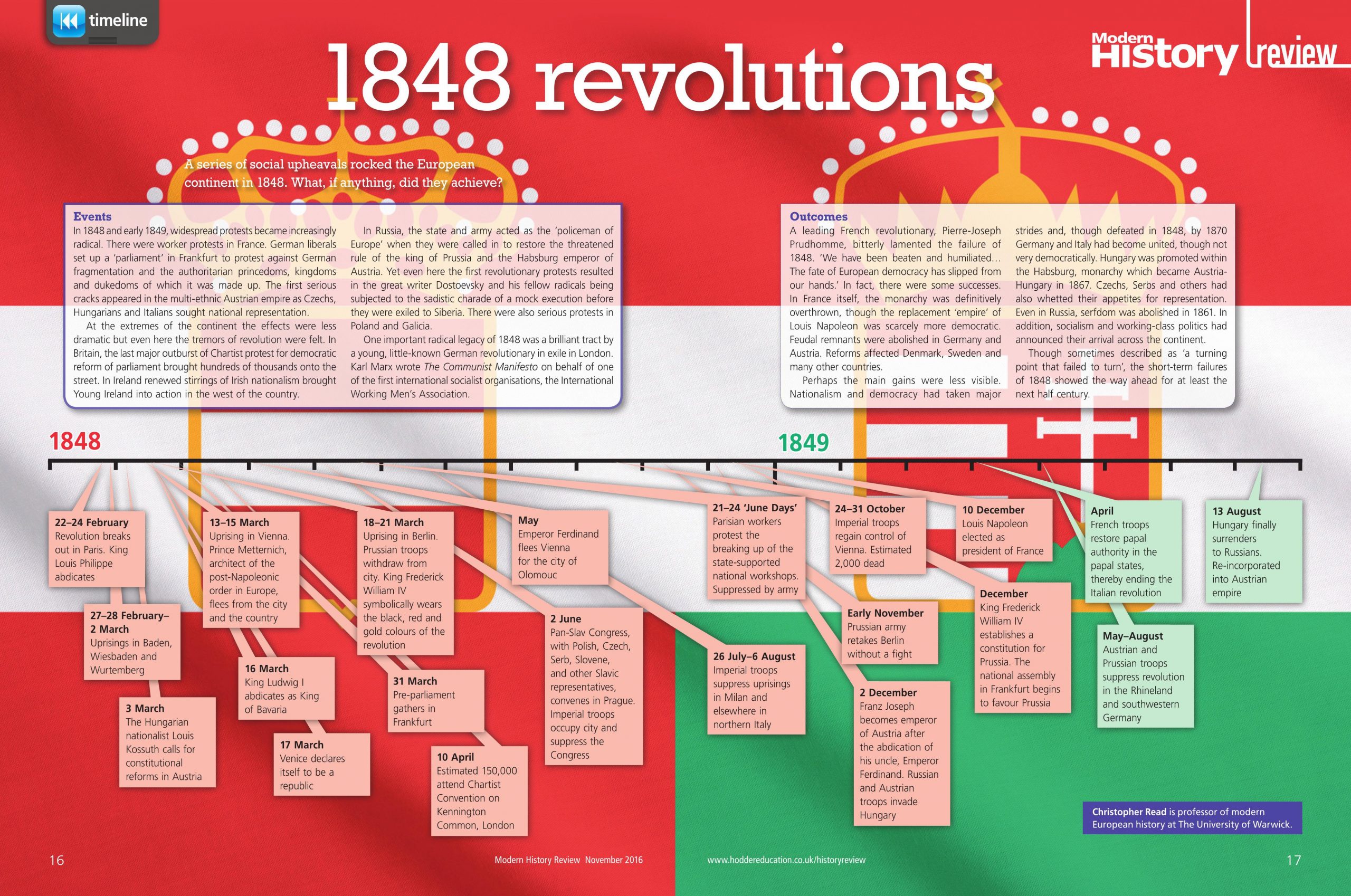
Vienna Uprising: The revolution began in Vienna in March 1848, forcing the powerful statesman Klemens von Metternich, a symbol of conservative order, to flee. Emperor Ferdinand I promised a constitution, but unrest continued.
Hungarian Revolution: Led by figures like Lajos Kossuth, Hungarians demanded greater autonomy and eventually declared independence. This was a fierce struggle, eventually put down with Russian help. The map shows how central Hungary was to the empire's instability.
Bohemian Uprising: Czech nationalists in Prague also demanded greater autonomy for Bohemia within the empire. They organized a pan-Slavic congress but their uprising was crushed by Austrian forces.
Italian States: In Lombardy-Venetia, under Austrian control, nationalist revolts broke out in Milan and Venice, aiming to expel the Austrians and unify Italy. These efforts drew in the Kingdom of Sardinia-Piedmont, which hoped to lead the unification charge. These events were crucial for the future of Italy, as seen on the historical maps.
The sheer number of distinct conflicts within the Austrian Empire truly made it a powder keg. The imperial government ultimately survived, often by playing one national group against another, or by using military force. But the seeds of future nationalist conflicts were firmly planted, which is pretty evident when you trace these events on a map. It’s a harsh reminder of how complex these historical moments truly were.
Italy: The Quest for Unification
Italy in 1848 was a patchwork of independent states, many under foreign influence, particularly Austrian. The revolutions here were strongly driven by Risorgimento, the movement for Italian unification. People wanted to throw off foreign rule and create a united Italy. This was a really passionate and dramatic struggle, you know?
Milan and Venice: As mentioned, these northern cities rose up against Austrian rule. Their short-lived republics were powerful symbols of Italian aspirations. The map distinctly shows these key areas of conflict.
Rome: A Roman Republic was declared after Pope Pius IX fled, led by figures like Giuseppe Mazzini and defended by Giuseppe Garibaldi. This was a radical experiment in republicanism, though it was eventually suppressed by French intervention. It was a big deal for Italian nationalists.
Kingdom of Sardinia-Piedmont: This kingdom, under King Charles Albert, tried to lead the charge against Austria and unify Italy. They fought two wars with Austria, but both ended in defeat. Despite the failures, these efforts laid crucial groundwork for future unification. It really shows how complex and interconnected these regional struggles were.
Ultimately, the Italian revolutions of 1848 failed to achieve unification. However, they cemented the idea of a united Italy in the minds of many and highlighted the Kingdom of Sardinia-Piedmont as a potential leader for this cause. Looking at a Revolutions of 1848 map of Italy reveals the fragmented nature of the peninsula and the numerous hotspots of nationalist fervor. It was truly a defining moment for the future Italian state.
Beyond the Major Players: Other Uprisings
While France, the German states, Austria, and Italy often get most of the spotlight, the revolutionary spirit of 1848 wasn't confined to just these areas. There were significant, though perhaps less dramatic, upheavals elsewhere too. You might not always see them highlighted as much, but they were definitely part of the bigger picture.
Poland: Though already partitioned, Poles in various regions, particularly in Austrian Galicia and Prussian Poznania, attempted to rise up for national independence. These efforts were largely suppressed, but they kept the dream of a free Poland alive. It’s a tragic part of the overall 1848 story.
Denmark: The First Schleswig War (1848-1851) began as a result of nationalist tensions in the Duchies of Schleswig and Holstein, which were largely German-speaking but ruled by Denmark. Germans in the duchies rebelled, seeking to join the German Confederation. This conflict, though distinct, was still deeply intertwined with the nationalist fervor of 1848. It’s a great example of related search topics.
Wallachia and Moldavia: In the Romanian principalities, which were under Ottoman and Russian influence, liberal and nationalist uprisings aimed for autonomy and reform. These were quickly put down by Ottoman and Russian forces. Again, it shows how widespread the desire for change truly was.
These smaller, often overlooked, uprisings on the periphery of Europe demonstrate just how pervasive the revolutionary sentiments of 1848 truly were. Every region seemed to have its own version of the struggle, and a comprehensive Revolutions of 1848 map often includes these important, though sometimes less prominent, details. It really helps to resolve some of the questions about the true scale of the period.
Why Did Most Revolutions Fail?
So, after all that excitement and upheaval, why did most of the Revolutions of 1848 ultimately fail to achieve their grandest goals? It's a question many people ask, and it's a bit of a complex Answer. There wasn’t just one single reason, but a combination of factors that worked against the revolutionaries.
Lack of Unity: One major issue was that the revolutionary movements themselves were often divided. Liberals, democrats, socialists, and nationalists frequently had different goals and couldn't always agree on a common strategy. For example, Hungarian nationalists were fighting for their own independence but weren't always keen to grant similar rights to the Serbs or Croats within Hungary. This internal strife weakened the overall movement.
Strong Governments and Armies: The established conservative powers, while initially surprised, still possessed powerful standing armies. They were able to regroup, crush uprisings, and restore order. The Austrian Empire, for instance, used its military might effectively to suppress revolts in Vienna, Prague, and Hungary. Russia also intervened to help Austria in Hungary. This military advantage was a huge factor, and you can see troop movements on some detailed historical maps.
Fear of Radicalism: As some revolutions became more radical, particularly with socialist elements emerging, many middle-class liberals grew fearful. They worried about the breakdown of social order and property rights, and sometimes chose to side with the old regimes against the more extreme elements of the revolutionary movements. This was a crucial turning point in many places.
External Intervention: The intervention of foreign powers, like Russia assisting Austria in Hungary or France restoring the Pope in Rome, played a significant role in suppressing various revolts. These external forces tipped the balance against the revolutionaries, which often spelled doom for their causes.
Despite their failures to achieve immediate, sweeping change, the Revolutions of 1848 were far from meaningless. They planted seeds of liberalism, democracy, and nationalism that would eventually bear fruit in later decades. They showed governments that the people wouldn't stay silent forever, and they influenced subsequent movements for national unification in Germany and Italy. So, while the immediate outcome might seem disappointing, their long-term impact was absolutely undeniable. It truly serves as a detailed guide to future political shifts. Does that make sense? What exactly are you trying to achieve when looking at these maps?
Widespread revolutionary activity across Europe in 1848; Key centers of uprising included France, German states, Austrian Empire, and Italy; Nationalism played a significant role in many movements; Demand for liberal reforms and constitutional governments was prominent; Social and economic grievances fueled unrest; Revolutions ultimately failed to achieve all their goals; The period significantly influenced future political developments and national unifications; A map visually explains the geographical spread and impact of these intertwined events.
35


Maps Of Revolutions Revolutions Of 1848 . The European Revolution Of 1848 MAP Of Events Europe . Revolutions Of 1848 Activity Student Map With Questions And Reading . PPT Revolutions Of 1848 PowerPoint Free Download ID Revolutions Of 1848 N . THE REVOLUTIONS OF 1848 Va Wp809c5976 1a

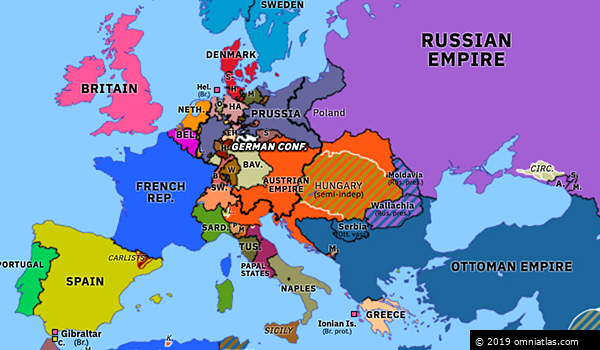
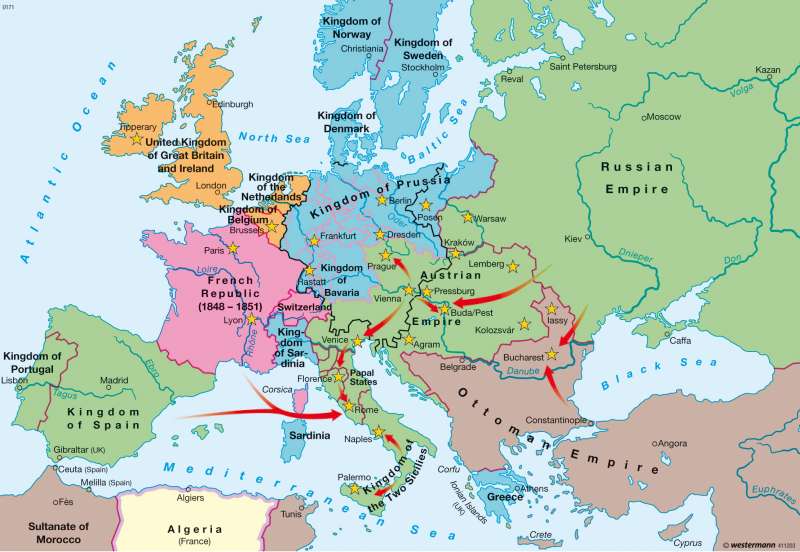
Map Presenting The Revolutions Of 1848 In Europe 2000x1270 MapPorn . PPT Chapter 21 PowerPoint Free Download ID 1187035 Map 21 4 The Revolutions Of 1848 1849 L . PPT European Mid Century Culture PowerPoint Free Revolutions Of 184810 L . March Revolutions Historical Atlas Of Europe 21 March 1848 Omniatlas RdNYM6W . Diercke Weltatlas Revolution And Reaction 1848 49 100790 034 2

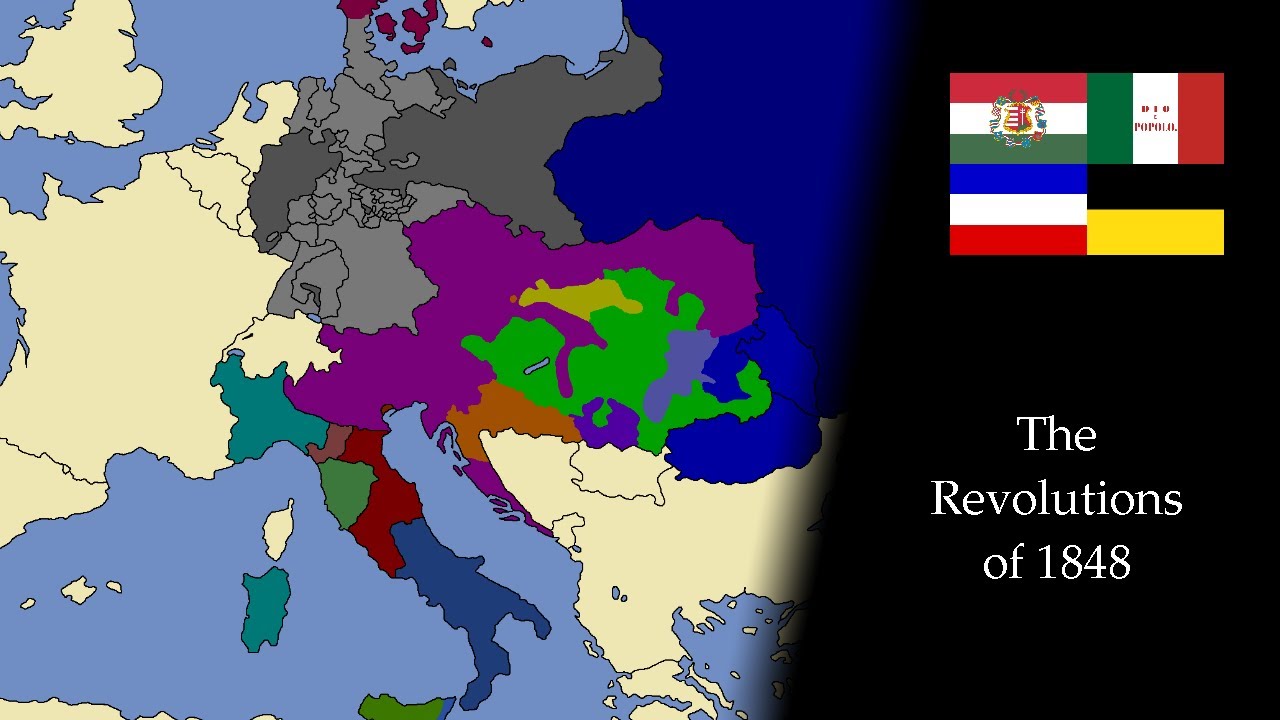
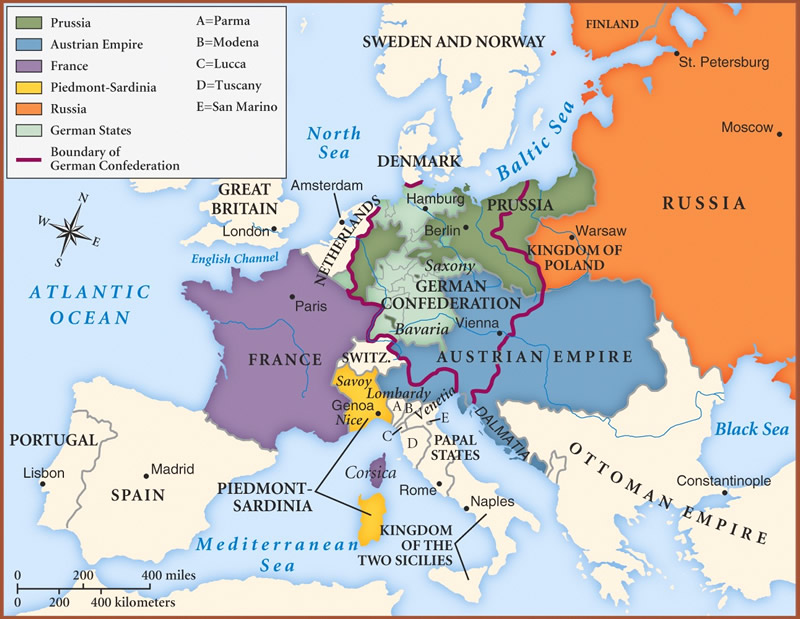

Revolutions Of 1848 Activity Student Map With Questions And Reading Medium 10559892 2 . Springtime Of Nations At Albert Jarman Blog . The European Revolutions Of 1848 History Europe 1815 S . Industrial Revolution Map Europe Map Of Revolutions 1848 Europe . Historical Maps HARRINGTON S HISTORY PAGE Com In Europe Map 1848 Orig



European Revolutions Of 1830 And 1848 Map Activity By Stephanie S Original 9628049 1 . Austrian Empire Map 1848 17601 . Economic Advances And Social Unrest 1830 1850 Ppt Download Map 21-2 CENTERS OF REVOLUTION IN 1848-1849 The Revolution That Toppled The July Monarchy In Paris In 1848 Soon Spread To Austria And Many Of The German And Italian States. . Revolutions Of 1848 Activity Student Map With Questions And Reading Large 10559892 1 . Revolution Sweeps Europe 1848 1849 AWHcom12 M U09 1848Rev



Nature Versus Vs Nurture Debate Or Controversy Human Psychology European Revolutions 1848 Map . U 4 Fall 18 19 Screen Shot 2016 03 16 At 9.38.41 Am 3 . What If The 1848 Revolutions Succeeded Europe In 1852 R . Revolutions Of 1848 Activity Student Map With Questions And Reading Original 10559892 3 . European Revolutions Of 1848 A Brief Overview EDUCBA European Revolutions Of 1848 768x427

Map Thread XVIII Page 19 Com . What If The Revolutions Of 1848 Succeeded Volkzeit YouTube . France The Revolutions Of 1848 Big Site Of History France The Revolutions Of 1848 . The Revolutions Of 1848 Sweep Europe Tashko Revolutions 1848 Sweep Europe . La R Volution De 1848 Fr Mars Allemagne


Year Of Revolution Begins Historical Atlas Of Europe 24 February . The Revolutions Of 1848 DBQ AICE European History High School Worksheet 750f 14690065 1 . Map Of Europe After The 1848 Revolutions R Map Of Europe After The 1848 Revolutions V0 . PPT Why Did Revolutions Take Place In 1848 On The Continent Slide13 L . 1848 Revolutions Hodder Education Magazines Modern History Review 2016 11 01 Imagesimg18 1 Jpg Scaled