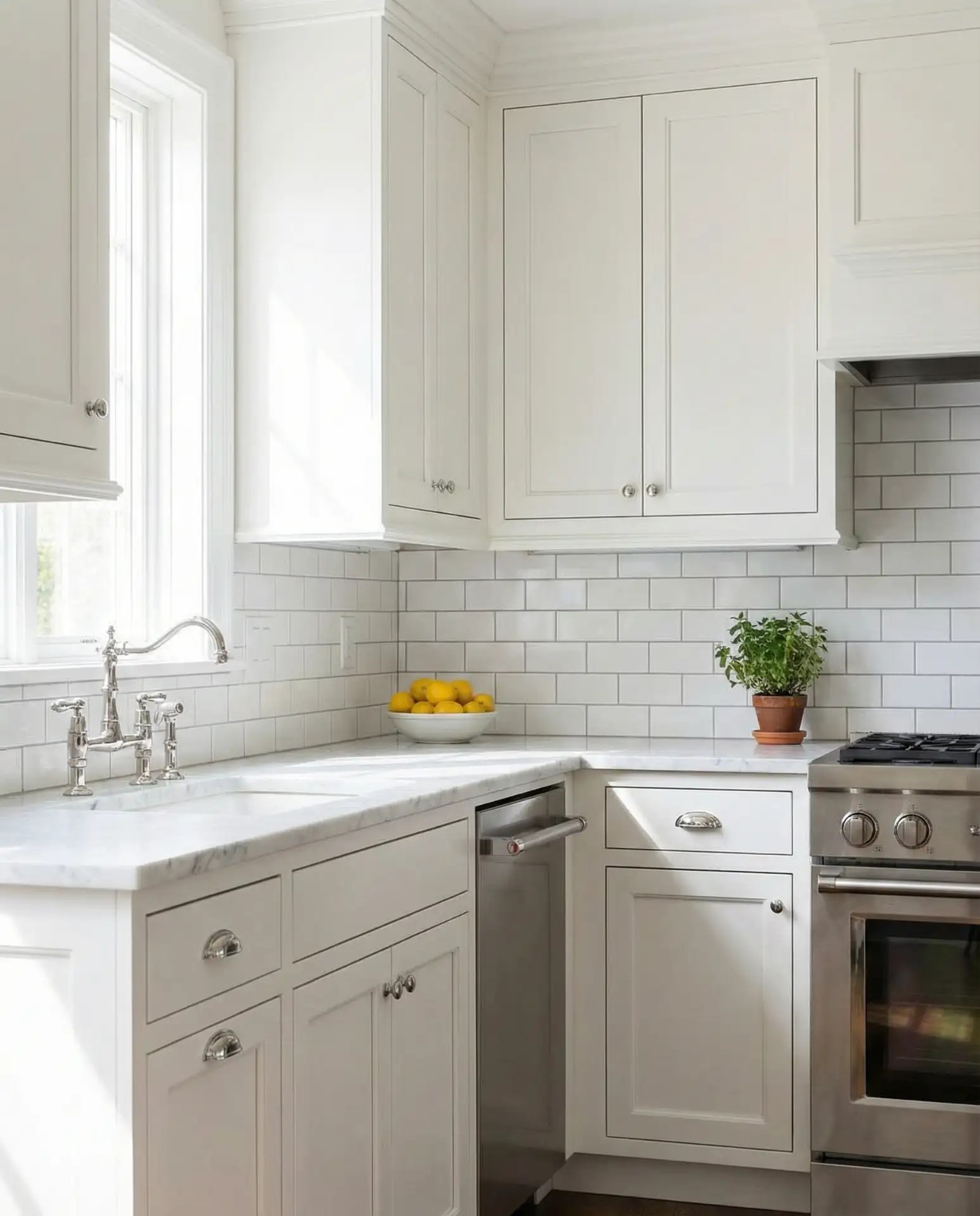
Why is white subway tile popular for kitchens?
White subway tile is popular for kitchens due to its timeless appeal, extreme versatility, and affordability. It provides a clean, bright aesthetic that can seamlessly integrate into various design styles, from traditional to ultra-modern. Its simple rectangular shape and neutral color make it a safe yet stylish choice that enhances light and visual space, contributing to an inviting atmosphere.
What grout color works best with white subway tile?
The best grout color for white subway tile depends on the desired effect. White or light gray grout creates a cohesive, almost seamless look, making the backsplash a subtle background. Darker gray or black grout provides a distinct contrast, highlighting the individual tiles and pattern for a more graphic, contemporary statement. Both options offer unique design impacts for a white subway tile kitchen.
How do you clean white subway tile?
Cleaning white subway tile is generally simple, requiring only warm water and a mild dish soap. For daily maintenance, a quick wipe-down with a soft cloth or sponge is usually sufficient. For tougher grime or discolored grout, a baking soda paste applied with a soft brush can be very effective, followed by a thorough rinse. Avoid abrasive cleaners to protect the tile's finish and grout.
Is subway tile going out of style in 2026?
White subway tile is not expected to go out of style in 2026. While new trends constantly emerge, its classic status ensures its enduring popularity. Designers and homeowners continue to appreciate its timeless versatility and ability to complement diverse aesthetics, making it a perennially fashionable and reliable choice for kitchen backsplashes and other tiled areas.
Can white subway tile fit a modern kitchen aesthetic?
Yes, white subway tile can absolutely fit a modern kitchen aesthetic. To achieve a contemporary look, opt for larger format subway tiles, a matte finish, or install them in a stack bond (straight lines) or vertical pattern. Pairing them with minimalist cabinetry, sleek hardware, and modern lighting will create a sophisticated, clean, and unmistakably modern white subway tile kitchen.
What are the benefits of white subway tile?
White subway tile offers numerous benefits, including its timeless design, remarkable versatility across styles, and cost-effectiveness. It reflects light, making kitchens feel brighter and more spacious, and its smooth surface is exceptionally easy to clean and maintain. Its durability ensures it withstands daily kitchen wear, providing a long-lasting, elegant backsplash solution.
White subway tile kitchens remain a top choice for United States homeowners seeking both classic charm and contemporary flair. This comprehensive guide helps you understand why this versatile material continues to dominate kitchen design, offering insights into its aesthetic appeal and practical benefits. Discover how to effectively integrate white subway tile into various kitchen styles, from crisp modern spaces to cozy farmhouse settings. We cover everything from selecting the right tile size and finish to exploring popular grout color pairings that enhance your overall decor. Learn practical tips for installation, maintenance, and addressing common design challenges, ensuring your white subway tile kitchen not only looks stunning but also functions beautifully for years to come. This resource will equip you with the knowledge to plan your renovation with confidence, comparing options and solving common dilemmas associated with kitchen backsplashes.
Questions & answers
Is white subway tile a timeless choice for kitchen backsplashes?
Yes, white subway tile is widely considered a timeless choice for kitchen backsplashes. Its classic design and neutral color have maintained popularity for over a century, providing a versatile and elegant backdrop that effortlessly adapts to various kitchen styles without becoming outdated. It remains a foundational element in enduring kitchen design.
What are the best grout color options for white subway tile in a kitchen?
The best grout color for white subway tile depends on your desired aesthetic. White or light gray grout creates a seamless, cohesive look, making the tile recede. For a more defined, graphic appearance, dark gray or black grout provides a striking contrast, highlighting the tile pattern and adding a contemporary edge to your white subway tile kitchen.
How do I maintain and clean my white subway tile kitchen backsplash?
Maintaining a white subway tile kitchen backsplash is straightforward. Daily cleaning typically involves wiping tiles with warm water and a mild dish soap using a soft cloth or sponge. For tougher grout grime, a baking soda paste with a soft brush can be effective. Avoid harsh, abrasive cleaners to protect the tile's finish and preserve grout integrity.
Can white subway tile be used in a modern or contemporary kitchen design?
Absolutely, white subway tile can fit beautifully into a modern or contemporary kitchen design. To achieve a modern aesthetic, opt for larger format subway tiles, a sleek matte finish, or install them in a stack bond pattern rather than the traditional offset. Pairing them with minimalist cabinets and clean lines amplifies the contemporary feel.
What is the average cost to install white subway tile in a kitchen?
The average cost to install white subway tile in a kitchen varies by location, tile type, and labor. Material costs for basic ceramic subway tile can range from $2 to $15 per square foot, while professional installation typically adds $7 to $25 per square foot. DIY can save on labor, but requires careful execution for a polished finish.
Are there different patterns for installing white subway tile in a kitchen?
Yes, there are several distinct patterns for installing white subway tile in a kitchen to achieve different looks. Beyond the classic brick lay, popular options include the vertical stack, horizontal stack, herringbone, basketweave, and step ladder patterns. Each pattern can significantly alter the visual texture and dynamic of your white subway tile backsplash.
When it comes to refreshing a kitchen, few design elements hold the enduring appeal and versatile charm of white subway tile. This classic material transforms ordinary spaces into something genuinely timeless, offering a clean, bright backdrop that complements almost any style imaginable. If you're pondering a kitchen update, understanding the nuances of white subway tile can help you craft a space that feels both current and perpetually stylish.
For many United States homeowners, the decision to incorporate white subway tile into their kitchen is an easy one. It’s an approachable material that brings a sophisticated, yet understated elegance, making it a staple in various design aesthetics, from minimalist contemporary to rustic farmhouse. But beyond its undeniable visual appeal, what makes this humble tile such a powerhouse in kitchen design? This guide will explore its popularity, help you navigate design choices, and provide practical insights for installation and upkeep, ensuring your white subway tile kitchen becomes a true centerpiece.
What Makes White Subway Tile So Enduring for Kitchens?
The staying power of white subway tile in kitchen design isn't just a trend; it's a testament to its inherent qualities that resonate with homeowners and designers alike. Its simplicity is deceptive, offering a neutral canvas that allows other kitchen elements—like vibrant cabinetry, statement countertops, or unique hardware—to truly shine. Originating from early 20th-century New York City subway stations, its classic 3x6 inch rectangular shape has transcended utilitarian roots to become a symbol of clean, crisp design.
What truly sets this tile apart is its remarkable adaptability. Whether your home whispers of traditional elegance, shouts modern chic, or embraces a cozy farmhouse vibe, white subway tile integrates seamlessly. It offers a visual calm, creating an expansive feel even in smaller kitchen spaces, and its reflective surface helps bounce light around, making the room feel brighter and more inviting. This universal appeal means it's a safe and stylish bet for almost any kitchen renovation, providing a foundational aesthetic that won't feel dated in a few years.
The Allure of Simplicity and Adaptability
The beauty of white subway tile lies in its understated presence. It doesn't demand attention but rather provides a harmonious backdrop that unifies diverse design elements. This adaptability extends to its installation patterns; while the classic brick lay is perpetually popular, homeowners can experiment with vertical stacks, herringbone, or basketweave patterns to introduce subtle visual interest without overwhelming the space. Each pattern offers a distinct personality, allowing for a custom feel even with a widely used material.
Furthermore, white subway tile is remarkably forgiving. It pairs beautifully with a wide spectrum of colors and textures, making it a flexible choice for various cabinet finishes, countertop materials, and flooring types. This inherent flexibility reduces the stress of coordinating multiple design elements, ensuring that your overall kitchen aesthetic remains cohesive and pleasing to the eye. It's a design workhorse that simplifies complex choices, consistently delivering a refined outcome.
- Timeless Appeal: Never goes out of style, ensuring long-term aesthetic value.
- Budget-Friendly: Often more affordable than other backsplash options, offering great value.
- Easy to Clean: Smooth, glazed surfaces wipe down effortlessly.
- Light Reflecting: Brightens up the kitchen, making it feel larger and more open.
- Versatile: Adapts to traditional, modern, farmhouse, and transitional styles.
- Durable: Resists moisture and daily kitchen wear and tear effectively.
How Do You Select the Right White Subway Tile for Your Kitchen?
Choosing the perfect white subway tile for your kitchen involves more than just picking a color; it's about considering subtle variations in size, finish, and material that significantly impact the final look. The traditional 3x6 inch tile is iconic, but a growing array of sizes, from slender 2x8s to larger 4x12s, offers contemporary twists on the classic. These larger formats can create a more expansive, minimalist feel, while smaller tiles introduce a sense of intricate detail.
Beyond size, the tile's finish plays a crucial role in setting the kitchen's mood. A glossy finish provides a reflective sheen that enhances light and offers a crisp, clean aesthetic. Matte finishes, on the other hand, offer a softer, more subdued look, reducing glare and contributing to a sophisticated, understated ambiance. Beveled edges introduce dimension and texture, creating subtle shadows that add depth to the backsplash. Each choice subtly steers the overall design narrative of your white subway tile kitchen.
Considering Size, Finish, and Material Options
The material of your white subway tile, whether ceramic or porcelain, also has implications for durability and maintenance. Ceramic is widely popular for its cost-effectiveness and versatility, suitable for most residential kitchen backsplashes. Porcelain, denser and less porous, offers superior resistance to moisture and wear, making it an excellent choice for high-traffic areas or those seeking maximum longevity. Understanding these differences helps homeowners make informed decisions that align with both their aesthetic desires and practical needs.
| Tile Finish | Key Characteristic | Best For | Aesthetic Impact |
|---|---|---|---|
| Glossy | High reflectivity, smooth surface | Brightening small kitchens, modern looks | Sharp, clean, energetic |
| Matte | Non-reflective, subtle texture | Softer lighting, contemporary or farmhouse styles | Understated, sophisticated, calming |
| Beveled | Raised edges, dimensional depth | Adding visual interest, traditional or transitional kitchens | Textured, classic, elegant |
| Handmade Look | Slight imperfections, uneven edges | Artisan feel, rustic or bespoke designs | Unique, warm, organic |
Grout Choices That Define Your Aesthetic
The color of your grout can dramatically alter the perception of your white subway tile kitchen. Opting for a white or light gray grout creates a seamless, monolithic look, making the backsplash recede and allowing other design elements to take center stage. This choice is ideal for those who prefer a clean, minimalist aesthetic where the tile's texture is subtle and the overall impression is one of expansiveness and continuity.
Conversely, choosing a contrasting grout color, such as dark gray or charcoal, highlights the individual tiles and their pattern, introducing a graphic element to the kitchen. This approach can add visual interest, define the grid, and even introduce a touch of industrial or modern farmhouse character. Black grout with white subway tile, for instance, creates a striking, bold statement that is both contemporary and classic. It’s a powerful way to inject personality and draw attention to the backsplash itself.
- White Grout: Achieves a cohesive, seamless, and bright appearance.
- Light Gray Grout: Offers a subtle definition to tiles while maintaining a soft look, hides dirt better than pure white.
- Dark Gray/Charcoal Grout: Creates a bold contrast, highlights tile pattern, adds a contemporary or industrial edge.
- Colored Grout (e.g., beige, blue): Introduces unexpected warmth or a pop of color, making a unique statement.
Is Installing White Subway Tile a DIY Project or Professional Job?
Many homeowners consider installing white subway tile as a DIY project, and for good reason—it’s often considered one of the more manageable tiling tasks. However, achieving a professional, flawless finish truly makes a difference in your white subway tile kitchen. While the basic steps are straightforward, precision is paramount. Uneven grout lines, lippage (where one tile edge is higher than the next), or inconsistent spacing can detract from the overall aesthetic, turning a classic look into a noticeable imperfection.
Deciding between a DIY approach and hiring a professional largely depends on your comfort level with home improvement, your attention to detail, and the complexity of your kitchen layout. A simple, flat backsplash wall might be a great learning experience for a capable DIYer. However, areas with many outlets, tricky corners, or curved surfaces often benefit immensely from the experience of a seasoned tile setter who can ensure clean cuts and a polished result.
Prepping Your Kitchen for Subway Tile Installation
Regardless of who handles the installation, thorough preparation is key. The surface must be clean, dry, and perfectly smooth. Any existing backsplash material should be removed, and the wall inspected for damage or unevenness. Repairing drywall, sanding, and wiping down surfaces are critical preliminary steps. Measuring your area meticulously and creating a detailed layout plan on paper or even on the wall ensures you maximize tile usage and avoid awkward cuts or misaligned patterns. This careful planning sets the foundation for a successful white subway tile kitchen backsplash.
- Clear the workspace of all appliances and countertop items.
- Clean the wall surface thoroughly, ensuring it's free of grease or debris.
- Repair any damaged drywall and ensure the surface is flat and smooth.
- Measure the backsplash area accurately and mark a level guide line.
- Gather all necessary tools: wet saw, notched trowel, spacers, grout float, sponge.
- Mix thin-set adhesive according to manufacturer instructions for proper consistency.
Common Installation Hurdles and How to Avoid Them
Even for experienced DIYers, a few common pitfalls can trip up a white subway tile installation. One frequent challenge is uneven grout lines; using consistent spacers throughout the project helps maintain uniform gaps. Another issue is tile slippage, especially with heavier tiles or on vertical surfaces, which can be mitigated by using a high-quality thin-set adhesive and allowing proper drying time between small sections. Dealing with outlet cutouts requires precise measurements and a steady hand with a wet saw or tile nippers to ensure a clean fit around electrical boxes.
Grout haze, a dull film left on the tiles after grouting, is another common concern. This can be easily avoided by promptly wiping down tiles with a damp sponge after grouting, but before the grout fully cures. It's often easier to remove when fresh than attempting to scrub hardened haze later. Addressing these potential issues proactively can save time and frustration, leading to a much more satisfying and professional-looking white subway tile kitchen backsplash.
Maintaining the Pristine Look of Your White Subway Tile Kitchen
One of the most appealing aspects of a white subway tile kitchen is its reputation for being easy to clean and maintain. Its smooth, often glazed surface resists stains and spills, making everyday wipe-downs a breeze. However, consistent care is key to preserving that bright, fresh appearance, especially in a busy kitchen environment where grease, food splatters, and moisture are constant companions. Regular cleaning not only keeps your tiles sparkling but also prevents grime buildup from dulling the grout lines.
For routine maintenance, a soft cloth or sponge with warm water and a mild dish soap is usually sufficient. Wiping down the backsplash after cooking helps prevent grease and food particles from setting in. For slightly tougher spots, a non-abrasive household cleaner specifically designed for tile surfaces can be used. It's important to avoid harsh chemicals or abrasive scrubbers, which can scratch the tile's surface or erode the grout over time, compromising both aesthetics and integrity.
Daily Cleaning and Deep Maintenance Strategies
Beyond daily wipes, a deeper clean every few weeks can help maintain the sparkle of your white subway tile. This involves paying closer attention to the grout lines, which, being porous, can trap dirt and become discolored. A soft-bristled brush, like an old toothbrush, can be effective for scrubbing grout with a gentle cleaning solution. Many homeowners find that a simple mixture of baking soda and water, forming a paste, works wonders for lifting grime from grout without harsh chemicals. Applying the paste, letting it sit for a few minutes, then scrubbing gently and rinsing thoroughly can revitalize dingy grout.
For stubborn mildew or mold in damp areas, a diluted bleach solution (check tile and grout manufacturer recommendations first) can be applied sparingly and rinsed well. However, proactive measures like ensuring good ventilation in the kitchen can prevent much of this buildup. Consistent, gentle care is the secret to keeping your white subway tile kitchen looking immaculate, ensuring its classic beauty endures for many years.
Addressing Stains and Grout Discoloration
Even with diligent cleaning, sometimes stains or discoloration can creep into white subway tile or its grout. For tile stains, often a magic eraser or a specialized tile cleaner can lift marks that simple soap and water won't touch. Always test any new cleaner in an inconspicuous spot first to ensure it doesn't damage the tile finish. Grout discoloration is a more common challenge, especially with lighter grout colors.
If deep cleaning doesn't fully restore your grout, consider a grout pen or grout sealer. Grout pens contain a colored sealant that can refresh the look of old, discolored grout lines, making them appear new again. Applying a high-quality grout sealer annually or biannually can also create a protective barrier that repels moisture and stains, significantly extending the life and pristine appearance of your white subway tile kitchen. These simple steps can make a big difference in maintaining the overall clean and bright aesthetic.
Most Asked Questions About white subway tile kitchen
Is white subway tile a timeless choice?
Yes, white subway tile is widely considered a timeless choice for kitchens. Its simple rectangular shape and neutral color have been popular for over a century, providing a versatile and classic aesthetic that transcends fleeting design trends. Homeowners appreciate its enduring appeal, ensuring their kitchen remains stylish without fear of it becoming quickly outdated.
What are the best grout colors for white subway tile?
The best grout colors depend on your desired look. White or light gray grout creates a seamless, cohesive backdrop that makes the tile recede. Darker grays or charcoal provide a striking contrast, highlighting the tile pattern and adding a more graphic, contemporary edge. Beige or tan grouts can introduce warmth, while colored grouts make a bold design statement.
How much does a white subway tile kitchen backsplash cost?
The cost of a white subway tile backsplash can vary significantly. Factors include the tile material (ceramic is generally less expensive than porcelain or glass), the tile size, the complexity of the installation pattern, and whether you opt for DIY or professional installation. On average, materials can range from $2 to $15 per square foot, with installation adding another $7 to $25 per square foot or more.
Can white subway tile work in a modern kitchen?
Absolutely, white subway tile can perfectly complement a modern kitchen aesthetic. To achieve a contemporary look, opt for larger format subway tiles, a matte finish, or a stack bond pattern (where tiles are aligned vertically or horizontally without offset). Pair it with sleek, handle-less cabinetry, minimalist hardware, and modern lighting fixtures for a sophisticated, current design.
How do I clean and maintain white subway tile?
Cleaning white subway tile is straightforward, typically requiring warm water and a mild dish soap. For daily maintenance, simply wipe down the tiles with a soft cloth or sponge. For deeper cleaning of grout lines, a baking soda paste and a soft brush can effectively lift grime. Avoid abrasive cleaners or harsh chemicals that can damage tile surfaces or erode grout.
Are there alternatives to traditional white subway tile?
While classic, there are several alternatives if you desire a different look. Options include larger format rectangular tiles, patterned tiles like hexagon or arabesque, solid slab backsplashes (quartz or marble), or even different tile materials such as zellige or glass tiles. Each alternative offers a unique texture, finish, and aesthetic to consider for your kitchen design.
Embracing white subway tile in your kitchen is a smart move for anyone seeking a blend of classic charm, modern versatility, and practical appeal. It provides a foundational design element that effortlessly adapts to your evolving tastes and the functional demands of a busy household. From its simple installation to its easy upkeep, this tile choice consistently delivers on both style and substance. By carefully considering the various sizes, finishes, and grout options, you can personalize this timeless material to perfectly reflect your unique vision.
Ultimately, a white subway tile kitchen is more than just a trend; it's a testament to good design that stands the test of time. So, go ahead and explore the endless possibilities this iconic tile offers, and create a kitchen space you'll love for years to come.
Key highlights
White subway tile benefits, kitchen design versatility, installation tips, cleaning and maintenance, popular grout choices, contrasting cabinet pairings, modern vs traditional looks, backsplash ideas, budget friendly options, durability of subway tile, pattern variations, enhancing kitchen brightness
In pictures
Kitchen Design Ideas 2026 Modern Elegant Functional Layouts For Simple White With Subway Tile Cottage Style Backsplash Soul Lane Tiles To Transform Your Space Classic How Can I Enhance My A BACKSPLASH1 Cabinets You Need Inspiration NM48J Timeless Look Restored Industrial Easy Spring Refresh Quick Update Finished Stylish And Remodel Makeover 2026 Budget Friendly Updates Every Dreamy Featuring Full Wall Of Contrasting EA7C1339F8AC266DE7E40718CA90D4FD EA7C1339F8AC266DE7E40718CA90D4FD Black Grout Trends That Are Making Kitchens Dated In 2026.
Elegant White Subway Tile Backsplash Ideas For Modern Kitchens Glossy Kitchen A Timeless Look Restored Style Farmhouse Of The Biggest Trends 2026 031c294211b67b999bbd0951dfaa0a55 With Cabinets 2026 That Designers Pick Soft Warm Glow Grey Grout Brass Sconces Creative Tiles And Unique Color Combos 1767084162106 019b7023 1B1F 7E3C A188 967f9715b8b3 1767084162106 019b7023 1B1F 7E3C A188 967f9715b8b3 Beautiful Wood Benefits Installing BACKSPLASH3 How Can I Enhance My BACKSPLASH3 This Tiny Tweak Is Making Star 2026 AA1Z45YH Img AA1Z45YH 2026 Don T Like Every Refined Classic.
White Subway Tile Kitchen Ideas For A Timeless Look Restored Style Gold Accents Miniature Best Designs Modern And Bathroom Beige Backsplash Handcrafted Scandi Warm Minimal Everyday Living Suite 101 Navy Cabinets With Soul Lane Benefits Of Installing BACKSPLASH1 Stunning Kitchens Free To Learn B61592371150B12B7FC38A170C772E99 Remodeling Trends You Ll See Everywhere In 2026 ELEVATEDSUBWAY2 C89DDEE9B312488B95026608E72B756F ELEVATEDSUBWAY2 C89DDEE9B312488B95026608E72B756F Designers Cannot Stop Recommending Tiles 87URB.