What are the main types of map routing algorithms?
The main types include shortest path algorithms like Dijkstra's and A*, which find the quickest route between two points. More complex algorithms, such as those solving the Vehicle Routing Problem (VRP), optimize multi-stop journeys for fleets, considering factors like vehicle capacity and time windows. These are fundamental to modern navigation and logistics across the United States.
How do map routing algorithms handle real-time traffic?
Map routing algorithms integrate real-time traffic data from various sources, including GPS sensors, connected vehicles, and user reports. They dynamically adjust road segment 'weights' based on congestion, accidents, or closures. This allows them to recalculate and suggest alternate, faster routes instantly, helping drivers avoid delays in cities and on highways nationwide.
Can map routing algorithms optimize delivery routes?
Absolutely. Map routing algorithms are essential for delivery optimization, solving complex Vehicle Routing Problems. They plan the most efficient sequence of stops for multiple vehicles, considering factors like delivery windows, vehicle capacity, and fuel efficiency. This saves businesses significant time and money, improving service and customer satisfaction in local U.S. markets.
Which navigation apps use the best routing algorithms?
Leading navigation apps like Google Maps, Waze, Apple Maps, and HERE WeGo employ highly sophisticated map routing algorithms. They leverage vast amounts of data, real-time traffic updates, and predictive analytics to provide optimal routes. The 'best' often depends on individual preferences for interface, specific features, and regional map data accuracy within the United States.
Are map routing algorithms free to use for businesses?
While basic routing functionalities are often free in consumer apps, advanced map routing algorithms for businesses typically involve licensing fees or subscription costs. These paid solutions offer features like multi-vehicle optimization, API integrations, and specialized analytics crucial for logistics and fleet management. Many providers offer tiered pricing based on usage and feature sets for U.S. companies.
What is the difference between shortest path and fastest path algorithms?
A shortest path algorithm calculates the route with the minimum geographical distance between two points. A fastest path algorithm, however, determines the route that will take the least amount of travel time, often by considering real-time traffic conditions, speed limits, and road types, which might not always be the physically shortest route. Both are crucial for effective navigation in the U.S.
Understanding Map Routing Algorithms is crucial for navigating modern life efficiently, whether you are planning a road trip, managing a delivery fleet, or simply finding the quickest route to a local store. These sophisticated systems power popular navigation apps and services, constantly calculating optimal paths based on real-time traffic, road conditions, and user preferences. Discover how these algorithms minimize travel time, reduce fuel consumption, and help you avoid congestion in the United States. Learn to compare leading solutions and identify the best route optimization services near you, considering factors like user reviews, real-time updates, and specific needs for personal or business use. We'll explore what to look for, common mistakes to avoid, and how these technologies provide accurate directions and estimated arrival times for every journey. Equip yourself with the knowledge to make informed decisions and enhance your daily commutes and logistical operations effectively.
Questions & answers
What is a map routing algorithm?
A map routing algorithm is a computational method used to find the most efficient path between two or more points on a map. It considers factors like distance, travel time, traffic, and road conditions to optimize routes for various purposes, from personal navigation to complex logistics across the U.S.
How do navigation apps use routing algorithms?
Navigation apps use routing algorithms to process your start and end points, factoring in real-time data like traffic and road closures. They quickly calculate the shortest or fastest route and provide turn-by-turn directions, dynamically adjusting if conditions change on your journey through the United States.
Can routing algorithms save me time on my commute?
Yes, routing algorithms are designed to save you time by identifying the most efficient path, often bypassing congested areas or suggesting alternative routes during peak traffic. By leveraging real-time data, they help you avoid delays and reach your destination quicker during daily commutes in the U.S.
What is the difference between shortest path and fastest path algorithms?
Shortest path algorithms prioritize the minimum geographical distance between points. Fastest path algorithms, however, aim to minimize travel time, often considering speed limits, traffic, and road types, which may result in a longer physical distance. Both are crucial for effective navigation in the U.S.
Are there local businesses that offer routing optimization?
Many logistics, delivery, and field service businesses across the U.S. utilize or offer routing optimization services. These typically involve specialized software and expertise to efficiently plan multi-stop routes for fleets. You can find providers by searching for 'delivery route optimization' or 'fleet management software near me'.
How do I choose the best map routing service?
To choose the best map routing service, consider your specific needs: real-time traffic, multi-stop planning, or offline maps. Compare user reviews, accuracy, pricing, and integration capabilities. For businesses, evaluate scalability, customer support, and API access to ensure it meets operational demands in your U.S. region.
Every time you input a destination into your navigation app, you are leveraging the power of sophisticated map routing algorithms. These underlying computational engines are the silent architects of your journey, designed to find the most efficient path from point A to point B. For individuals, they mean quicker commutes and less time stuck in traffic, transforming daily travel into a smoother experience. For businesses, especially in logistics and delivery, understanding and implementing effective map routing algorithms is paramount for operational efficiency, cost savings, and superior customer service. This technology fundamentally reshapes how we interact with geographical data and move within our communities, impacting everything from personal errands to complex supply chain management across the United States.
The primary goal of map routing algorithms is not just to show you a path, but the *optimal* path, considering a multitude of variables. This optimization can be based on the shortest distance, the fastest travel time, avoiding tolls, or even prioritizing scenic routes. The advanced computations behind these decisions take into account current traffic conditions, historical data, road closures, and even weather patterns to provide dynamic, real-time recommendations. As you drive, these algorithms continuously reassess your route, adjusting for unexpected delays or new opportunities for efficiency. This constant adaptation ensures that the directions you receive are always the most relevant and up-to-date, a critical feature for navigating today's ever-changing roadways.
Understanding Map Routing Algorithms
The core challenge in map routing algorithms lies in processing vast amounts of geographical data quickly and accurately. Traditional methods often rely on graph theory, representing roads as edges and intersections as nodes. Algorithms like Dijkstra's or A* search are foundational, efficiently exploring these graphs to find the shortest or fastest path. However, in real-world scenarios, the sheer scale of road networks and the dynamic nature of traffic present significant computational hurdles. Modern algorithms combine these classics with heuristics, parallel processing, and machine learning to handle the complexity, delivering results in milliseconds. This intricate blend of computer science and real-world data is what makes contemporary navigation so effective.
A significant problem map routing algorithms address is the 'Traveling Salesperson Problem' (TSP) or its variant, the 'Vehicle Routing Problem' (VRP). These challenges involve finding the most efficient sequence of visits to multiple locations, which is critical for delivery services, ride-sharing platforms, and field service operations. Simple shortest-path algorithms are insufficient for these multi-stop scenarios, requiring more advanced techniques that consider vehicle capacity, time windows, and driver availability. The ability of an algorithm to solve these complex problems with precision directly translates to tangible business benefits, such as reduced fuel costs, improved delivery times, and increased driver productivity. Businesses near you often seek specialized solutions to manage these logistical complexities effectively.
Furthermore, map routing algorithms must constantly evolve to incorporate new data sources and user behaviors. The integration of live traffic feeds, accident reports, and even crowdsourced information allows algorithms to provide truly dynamic routing. This continuous feedback loop ensures that the suggested routes are not just theoretically optimal but practically viable at any given moment. For users, this means avoiding unexpected delays and confidently navigating unfamiliar areas. For providers, it means staying competitive by offering the most reliable and efficient navigation experience available today. The ongoing development in this field continues to push the boundaries of what is possible in intelligent transportation systems.
How Do Routing Algorithms Work?
At their heart, routing algorithms function by modeling the road network as a graph. Each intersection or significant point on a road becomes a 'node' or 'vertex', and the road segments connecting them are 'edges'. Each edge is assigned a 'weight', which could represent distance, estimated travel time (considering speed limits and historical traffic), or even toll costs. When you request a route, the algorithm starts at your origin node and systematically explores adjacent nodes, evaluating the cumulative weight of each path. It seeks to find a sequence of connected edges from your start to your destination that results in the lowest total weight according to the optimization criteria, whether that's shortest distance or fastest time.
Advanced routing algorithms go beyond simple graph traversal by incorporating sophisticated data analysis. For instance, real-time traffic data, sourced from sensors, GPS devices, and even other users, is continuously fed into the system. This allows the algorithm to dynamically adjust the 'weights' of road segments. A normally fast highway segment might temporarily have a very high weight due to heavy congestion, causing the algorithm to suggest an alternate, seemingly longer but currently faster, route. This ability to adapt to fluid conditions is what differentiates a basic mapping tool from a highly effective navigation system, providing actionable insights for drivers in any U.S. city.
Furthermore, many routing solutions employ predictive analytics. By analyzing historical traffic patterns for specific times of day, days of the week, and even special events, algorithms can anticipate future congestion. This foresight enables them to suggest routes that not only avoid current problems but also circumvent potential future bottlenecks. This blend of real-time data, historical trends, and predictive modeling ensures that map routing algorithms offer incredibly accurate estimated arrival times and intelligent route suggestions, helping you reach your destination with minimal delays. Understanding these layers helps consumers and businesses choose the most robust navigation and logistics tools available for their specific needs.
Choosing the Best Map Routing Solution
When selecting a map routing solution, whether for personal use or business operations, several factors deserve careful consideration to ensure you find the optimal fit. Begin by evaluating the specific features offered: do you need real-time traffic updates, multi-stop optimization, integration with other business tools, or offline capabilities? For consumers, user interface and ease of use are paramount. Businesses, on the other hand, might prioritize API access, customization options, and detailed analytics for fleet management. Understanding your core requirements will help narrow down the vast array of available services, ensuring the chosen solution truly addresses your challenges.
Performance and accuracy are also non-negotiable. Look for solutions known for their reliable real-time traffic data, precise estimated arrival times, and up-to-date map information. Reviews from other users in your area or industry can provide valuable insights into a solution's practical effectiveness. Test different options if possible, perhaps by running parallel routes on different apps during your daily commute or pilot testing a business solution with a small segment of your operations. A slight improvement in route efficiency can translate to significant savings in fuel and labor costs over time, making a robust algorithm a valuable investment for any operation in the United States.
Finally, consider the total cost of ownership, including subscription fees, implementation costs, and potential training requirements. Some robust business routing solutions may seem expensive initially but offer a strong return on investment through optimized routes and reduced operational expenses. For personal use, many excellent free options exist, but premium versions often provide enhanced features like ad-free experiences, additional map layers, or advanced customization. Compare the long-term benefits against the cost, and also check for customer support availability and documentation to ensure you have assistance when needed. Making an informed choice ensures you leverage map routing algorithms to their full potential.
What to Look for in a Routing Service Near You
When searching for a routing service or software that aligns with local needs, particularly for businesses, consider its ability to integrate local data. Does it offer specific features for urban deliveries or rural routes? Is it optimized for local speed limits, residential access restrictions, or commercial vehicle limitations? A service that understands localized nuances can provide far more accurate and efficient routes than a generic global solution. Many U.S. businesses prioritize solutions that are proven to perform well within their specific geographic operating areas, offering reviews and testimonials from other local companies as a strong indicator of reliability and fit for purpose. Look for platforms that can easily import customer locations or existing delivery zones.
Investigate the availability of customer support and training tailored to U.S. users. While robust algorithms are vital, effective implementation often requires good support. Check if there are local representatives or readily available online resources for troubleshooting and maximizing the software's capabilities. For services with a transactional intent, such as finding a new delivery optimization provider, understanding their service level agreements (SLAs) and onboarding process is crucial. You want to ensure a smooth transition and continuous operational reliability from day one, which can often be found by contacting their sales or support teams to discuss specific pricing and booking details for your region.
Lastly, consider the scalability and flexibility of the routing service. As your personal travel needs change or your business grows, can the solution adapt? Does it offer different pricing tiers or feature sets that can be upgraded as required? For businesses, the ability to add more vehicles, drivers, or optimize for an increasing number of daily stops without prohibitive costs is a key factor. Reviews and case studies from similar businesses often highlight these long-term considerations. Exploring different providers and checking their availability to serve your specific geographical footprint in the U.S. can help you secure a solution that will meet your needs both today and in the future.
Common Pitfalls and Future Trends
Despite their sophistication, map routing algorithms are not infallible, and users should be aware of common pitfalls. One frequent issue arises from outdated map data. Road closures, new constructions, or changes in traffic patterns can quickly render stored map information inaccurate, leading to misdirections or inefficient routes. Over-reliance on a single data source or ignoring real-world observations can be another mistake; sometimes, local knowledge or a quick check of signs can supersede an algorithm's suggestion. Users should also be cautious about privacy concerns, as many navigation apps collect location data to improve services, which may not always align with individual privacy preferences.
Another common mistake is failing to customize routing preferences. Most apps offer options like avoiding tolls, highways, or ferries, but users often stick to default settings. Tailoring these preferences to your specific journey or vehicle type can significantly improve efficiency and satisfaction. For businesses, not fully integrating routing software with existing systems, such as order management or CRM, can limit its potential impact. A siloed solution may fail to deliver comprehensive optimization, missing opportunities for streamlined workflows and data consistency. Fully leveraging these powerful tools requires a proactive approach to setup and ongoing management to avoid common operational bottlenecks.
Looking ahead, the future of map routing algorithms is exciting and promises even greater integration and intelligence. Expect enhanced predictive capabilities, leveraging artificial intelligence and machine learning to anticipate traffic patterns with even greater accuracy based on events, weather, and behavioral trends. The rise of autonomous vehicles will drive demand for hyper-accurate, real-time, and ultra-reliable routing that communicates directly with vehicle systems. Furthermore, we will likely see more personalized routing options, adapting not just to current traffic but also to individual driving styles, preferred speeds, and even emotional states. These innovations will continue to redefine navigation, offering seamless and intelligent travel experiences for everyone across the United States.
Mistakes to Avoid When Relying on Routing Technology
A significant mistake when relying on routing technology is neglecting to cross-reference information or trust your instincts, especially in unfamiliar or rapidly changing conditions. While algorithms are powerful, they cannot account for every unforeseen circumstance, such as temporary road hazards not yet reported, sudden detours, or unique local events. Blindly following a GPS without any awareness of your surroundings can lead you into difficult situations or even hazardous areas. Always maintain a degree of situational awareness and be prepared to make minor adjustments based on what you observe on the ground, rather than solely depending on the digital map for every single turn. This balanced approach ensures safer and more reliable journeys.
Another pitfall, particularly for businesses utilizing complex routing software, is insufficient training for drivers or dispatchers. Even the most advanced routing algorithms require knowledgeable human operators to interpret results, input data correctly, and troubleshoot minor issues. A lack of proper training can lead to inefficient route execution, missed delivery windows, or frustration among staff. Investing in comprehensive training ensures that your team can fully leverage the capabilities of the routing system, translating algorithmically optimized routes into real-world operational benefits. Clear understanding prevents common errors and maximizes the return on your technology investment.
Finally, a common oversight is not regularly updating or reviewing the routing data, especially for dynamic systems. Points of interest, customer locations, road attributes, and vehicle constraints can change over time. Failing to update these parameters means the algorithm will be working with stale information, leading to less optimal routes. Regularly auditing your routing performance, gathering feedback from drivers, and making necessary adjustments to input data are crucial for sustained efficiency. This proactive management ensures that your map routing algorithms remain a powerful asset, consistently providing the best possible guidance for all your navigational and logistical needs in the U.S.
FAQ Section
This section provides concise answers to frequently asked questions about map routing algorithms, offering quick insights into their functionality and benefits for users and businesses across the United States. Delve into common queries to deepen your understanding of these essential navigational tools.
Key highlights
Map routing algorithm basics, best route planning tools, real time traffic navigation, delivery route optimization, shortest path algorithms explained, GPS routing technology, local navigation services, efficient travel solutions
In pictures
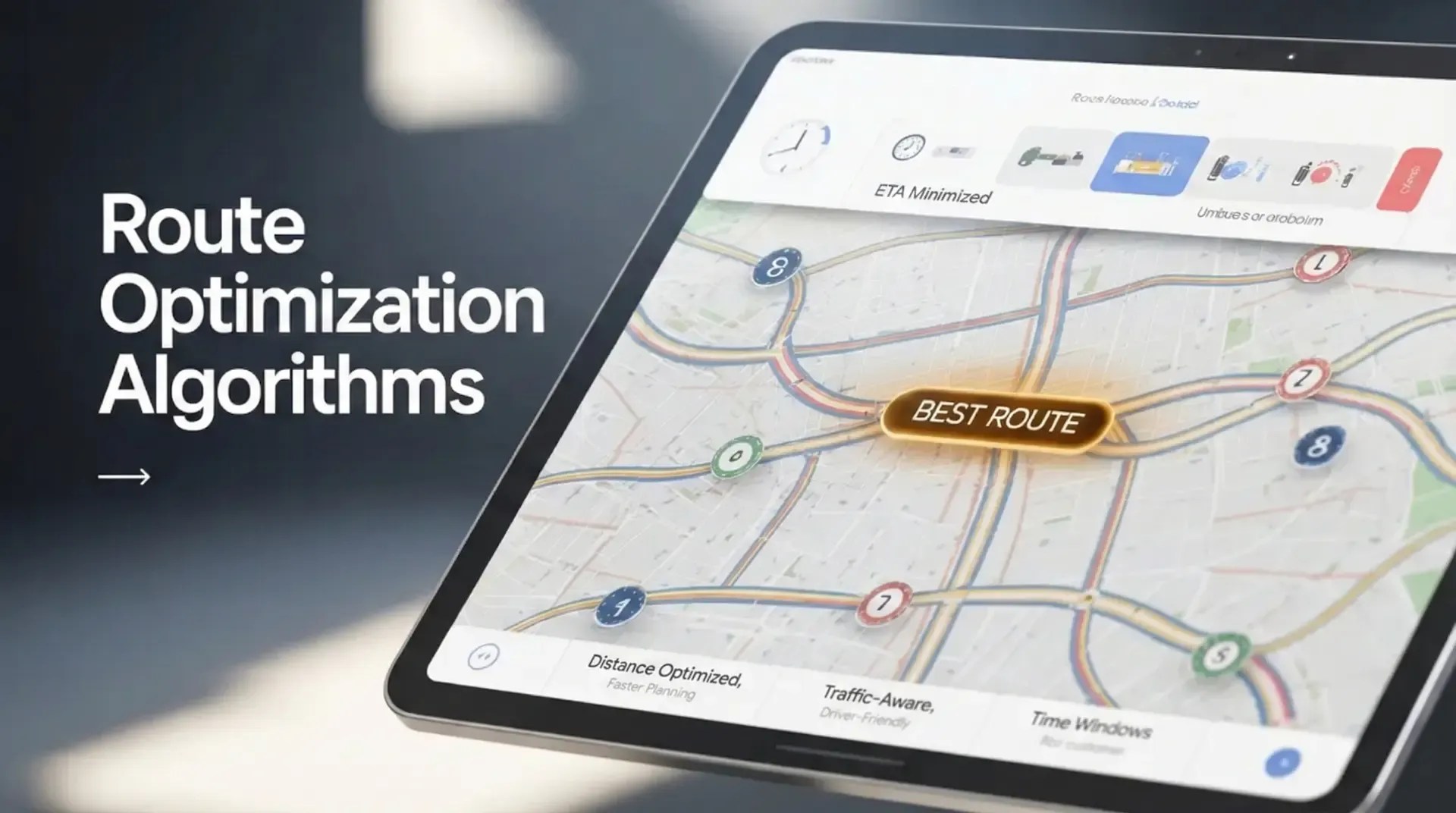


Route Optimization Algorithms Benefits Types And Applications Algorithm Analysis A Complete Guide To Techniques AI Driven In 2026 Tools Use Cases Home Ro Banner Integration SMB Fleet Operations Practical For 2026 Wgxnibng I9OEOSYHTYNYODMEMDYV Xxrelm KFQM0Y3SNG7ZNCR12DKLLM7XZLGUAGV 4I1VZFUZ8KK B3DNUYVWJ3P6GTRHDKAE365 Pa Nu S0 I9OEOSYHTYNYODMEMDYV KFQM0Y3SNG7ZNCR12DKLLM7XZLGUAGV 4I1VZFUZ8KK B3DNUYVWJ3P6GTRHDKAE365 S0 Medium 1XZM0XLBD68ORA K9NVPMQ 1XZM0XLBD68ORA K9NVPMQ What Is How Does It Work Nextbillion Vehicle Routing Problem Advanced Troubleshooting Of Maps Protocols CCNP ENARSI The Google 2026 Actually Moves Your Ranking 2026 Manchester Marathon 2026 Full Map Finish Line Screenshot 2026 082859 2026 082859 Best Apps Bike Routes 2026 Comparison Komoot Strava Split Illustration Contrasting Dangerous Car Traffic With Safe Highlighted Lane 2026 Others 2026 Github Esraasaidmaray Project Multi Magic SDK Flutter Documentation Example ROUTING2 040772119C22E4D2D96E0F1C1369F94F ROUTING2 040772119C22E4D2D96E0F1C1369F94F.



OU Game Day Traffic Map Shows Best Routes Parking Ahead Of Friday 471E13EF 5BCA 4039 A36A A6E8F2479FF6 471E13EF 5BCA 4039 A36A A6E8F2479FF6 Reasons To Move On From Google Maps Route Planner App Blog Covers Algorithm Decoded 2026 Ranking Factors Little Nudge Opengraph Image Which Routing Is Used In CIO Women Magazine Global Optimized Planning Platform N61PRFXKW0PUWPHEIX8BLDK35 BNW6K4NRYVLN3K5H4GSJDZECHIGMESTDANPINMOEKQUEBOUHMEFM4BKIMNZFTZBKHG0MVWDOOFRL8S0 Digital Architect Tiles PDF Travel Recommendation Using Social Networks Largepreview Genetic Application Optimization POLICIES ARE NO LONGER Itcare POST Work Rank 2026 New Strategy 2026 Nhnk MMPXFI9HRCL LWLUYNWPWTEM5PUB75BUACESVNVZZIUDBV9FM9E12 2P6U Ylomkpma GAUFRDKC63ODMOXMTT7IPP0Z 9adykw450 MMPXFI9HRCL LWLUYNWPWTEM5PUB75BUACESVNVZZIUDBV9FM9E12 2P6U GAUFRDKC63ODMOXMTT7IPP0Z 9adykw450 The Proposed Download Scientific Diagram Ppm.
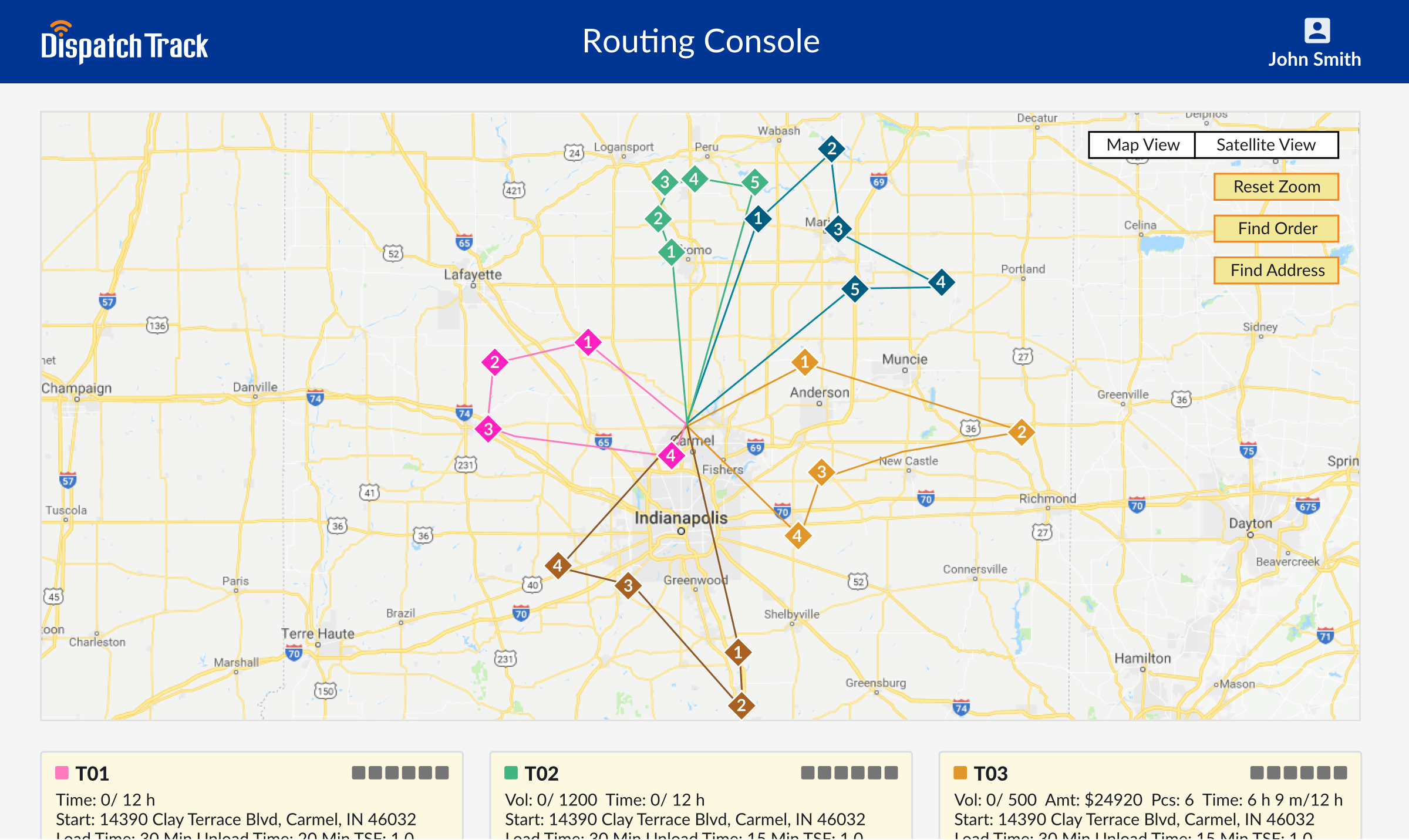
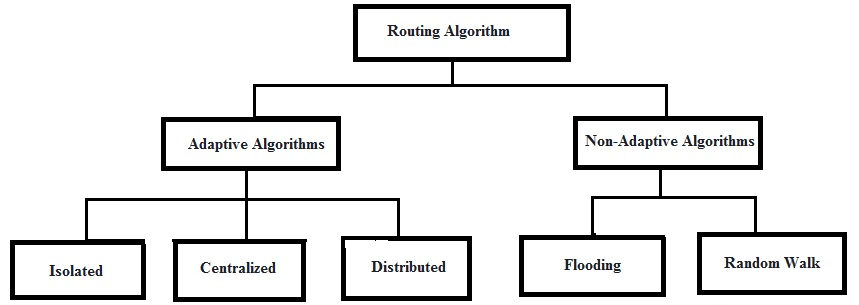
Vehicle Routing Problem Meaning And Solutions In Depth Guide Ai Route Optimization Upperinc V S Routed Protocols Computer Network Geeksforgeeks Delivery Software Logistics Planning Img ROUTING2 Algorithm Insights For Industry Professionals What Is Networks Image E1776433721200 Github Rikilg Optimal Map Calculate Path Between Matching Part Algorithms Or Nachmias Hybrid The New First Class Suite Designs Launching On Long Haul Routes X 2026 2027 2026 2027 Mind UPSC CSAT Preparation PDF Download 392ec9e3 3c18 4c44 8f27 863202FEF73C Lg 392ec9e3 3c18 4c44 8f27 863202FEF73C PPT Enhancing Urban Based L.