- What are the core elements of effective Map Iconography for digital maps?Effective map iconography relies on simplicity, universality, and clarity. Symbols must be instantly recognizable, convey specific information, and maintain consistency across different zoom levels and contexts, ensuring users can quickly interpret their meaning on any digital Local MAP.
- How has Map Iconography evolved with the rise of mobile navigation apps?Mobile navigation apps have driven map iconography towards greater simplification, dynamism, and user-centric design. Icons are now optimized for smaller screens, touch interaction, and often include real-time data overlays, making them more interactive and informative than ever before in 2026.
- Are there universal standards for map symbols across different platforms in 2026?While many common map symbols have generally accepted interpretations, universal standards across all platforms remain elusive. Major apps like Google Maps and Apple Maps maintain their distinct icon sets, though they often share conceptual similarities for ease of user adoption and navigation.
- How do map icons aid in local discovery for users?Map icons are fundamental to local discovery by visually highlighting points of interest, services, and amenities. They allow users to quickly scan a Local MAP and identify relevant locations like restaurants, parks, or shops, facilitating spontaneous exploration and informed decisions.
- What role does cultural context play in Map Iconography?Cultural context significantly influences map iconography. Symbols can have different connotations across cultures, requiring careful design consideration to ensure global intelligibility and avoid misinterpretation. Developers strive for universally understood visuals while occasionally offering region-specific icons.
- Can Map Iconography be personalized for individual users?Absolutely, personalization is a growing trend in map iconography for 2026. Users can often customize icon appearance, or AI algorithms can dynamically adjust symbols based on individual preferences, search history, or frequently visited categories, enhancing the personalized experience on Maps.
- What are the future trends expected in Map Iconography by 2026 and beyond?Future trends include hyper-dynamic icons that reflect real-time conditions, enhanced augmented reality integration, and further AI-driven personalization. Expect more contextual and predictive symbols that anticipate user needs and seamlessly blend digital information with the physical environment.
Navigate your world with confidence by understanding map iconography in 2026. For Gen Z and Millennials, deciphering the symbols on your favorite Local MAP application is more than just a convenience it is a necessity for efficient navigation and discovery. These visual cues are evolving, becoming more dynamic and personalized, reflecting real-time data and user preferences. Mastering map symbols ensures you can quickly locate everything from trending cafes to essential services, transforming how you interact with your surroundings. Dive into the nuances of digital map legends, enhancing your ability to explore new cities, find hidden gems, and optimize your daily routes. This guide empowers you to become a true urban explorer in the modern age, leveraging every visual detail on your Maps app to its fullest potential.
Questions & answers
What is Map Iconography?
Map iconography refers to the system of visual symbols and signs used on maps to represent features, services, or points of interest. It provides a universal, quick way for users to understand geographic information, crucial for navigation and discovery on digital platforms in 2026.
How do map icons help with navigation?
Map icons simplify complex spatial data, allowing users to rapidly identify restaurants, parking, gas stations, or hospitals at a glance. They guide users visually, making routing decisions faster and more intuitive, especially for on-the-go exploration with Local MAP apps.
Are map symbols the same on all apps?
While many common map symbols are widely recognized, there isnt one universal standard across all apps. Major platforms like Google Maps and Apple Maps have their own icon sets, which may vary slightly in design or specific meaning, reflecting brand identity and user experience goals in 2026.
What are the latest trends in Map Iconography for 2026?
Current trends in map iconography include dynamic icons that change with real-time data, greater personalization based on user preferences, and augmented reality integration. Expect more interactive and context-aware symbols to enhance the digital mapping experience and assist on your Local MAP.
Why is understanding map icons important for local discovery?
Understanding map icons is vital for local discovery as it allows users to quickly spot relevant businesses or amenities in an unfamiliar area. Clear iconography on your Local MAP empowers users to effortlessly locate dining, entertainment, and essential services, driving engagement with local establishments.
Can map iconography influence user perception of a location?
Absolutely. The design, clarity, and relevance of map iconography significantly influence user perception. Well-designed, intuitive icons make a location seem more accessible and user-friendly, enhancing the overall experience and potentially encouraging exploration and visits through your Maps app.
Ever wonder what all those little symbols mean on your favorite Local MAP app? In 2026, understanding map iconography is key to navigating urban jungles and discovering hidden gems. These seemingly simple visuals are the silent language of modern navigation, guiding Gen Z and Millennials to everything from the coolest coffee shops to essential services. Forget struggling with outdated paper maps; today's digital maps are packed with intuitive icons designed for immediate comprehension. Master these visual cues, and you unlock a smoother, more efficient way to explore, ensuring you always know where you are and where you are going. This guide will decode the most important elements of map iconography, empowering you for every adventure.
Navigating the complex urban landscapes of 2026 demands more than just knowing street names. It requires a keen eye for map iconography. The visual shorthand of digital maps allows for instant recognition of points of interest, traffic conditions, and public transport options, all critical for the mobile-dependent generation. Without a solid grasp of these symbols, you might miss out on the fastest routes, the best local eateries, or even crucial emergency services. Understanding map symbols means less time guessing and more time experiencing, making your local explorations and daily commutes far more effective and enjoyable. Embrace this visual literacy to truly master your digital world.
Frequently Asked Questions
Where can I find the best guides for understanding local map iconography in 2026?
For the most reliable and up-to-date interpretations, consult official guides from Google Maps, Apple Maps, and Waze. Many local city tourism sites also offer specific symbol breakdowns, especially for attractions and public services.
How do I navigate using local MAPS and check real-time hours efficiently in 2026?
Pull up your preferred mobile Maps app to verify real-time hours. Always check for dynamic symbols indicating temporary closures or busy periods. Utilize live traffic overlays to optimize your route on any Local MAP, ensuring you arrive on time.
What are the best tips for finding highly-rated spots on Maps or securing good parking?
To find top-rated places, look for consistent high star ratings and recent reviews on your Maps app. For parking:
- Seek out blue 'P' icons for public parking.
- Check street view for available spots.
- Utilize integrated parking apps like ParkMobile or SpotHero for real-time availability.
Quick Local Guide to Map Iconography Examples
- Coffee Shop Icon: Represents Cafes and Bakeries near Downtown Arts District.
- Restaurant Icon: Marks Dining Establishments around University Heights.
- Retail Store Icon: Indicates Shopping Centers in The Promenade.
- Park Icon: Shows Green Spaces and Recreation near Riverbend Park.
The evolution of map iconography has transformed how we interact with geographic information. Historically, symbols were static and generic, but in 2026, they are dynamic and often personalized. Gen Z and Millennials, accustomed to highly visual interfaces, instinctively rely on these symbols for immediate understanding, a stark contrast to older generations who might have pored over traditional paper legends. This shift emphasizes the intuitive nature of modern map iconography, designed to cut through information overload and deliver critical details at a glance. Embracing these visual cues is not just about convenience; it is about adapting to the prevalent communication style of our digital age.
Standardized map iconography is crucial for global navigation, yet variations still exist across different platforms. While a restaurant symbol might be universally recognizable, the precise design or secondary indicators can differ between Google Maps, Apple Maps, and local public transport apps. This creates minor challenges but also allows for unique user experiences and brand identities. Accessibility is also a key consideration in 2026, with efforts to create map symbols that are clear and understandable for users with diverse visual needs. The ongoing dialogue between standardization and innovation continually refines the language of map symbols, ensuring broader utility and intuitive engagement for everyone.
The future of map iconography is exciting, with AI-driven personalization and augmented reality overlays setting new benchmarks. Imagine icons that dynamically change based on your personal preferences or real-time context, like a coffee cup icon morphing into your favorite latte brand when you are nearby. Augmented reality could project these map symbols directly onto your environment, blending digital information seamlessly with the physical world. These innovations promise to further enhance local discovery and daily routing in 2026, making navigation not just efficient but also predictive and deeply personalized. The next generation of map symbols will truly anticipate your needs, making every journey smoother.
Key highlights
Understanding map symbols is crucial for modern navigation. Map iconography is constantly evolving, with new symbols emerging. Digital maps rely heavily on clear, intuitive icons for user experience. Personalized and dynamic icons are a key trend in 2026. Efficiently locating services and attractions depends on recognizing icons. Map iconography serves as a universal visual language for global navigation.
In pictures


Dynamic 2026 Digital World Map Illustration With Glowing Circuit Lines 1000 F 1703244502 E3O8DP6IFS9OWAWGMFMQM6AT4QVYBFST 1000 1703244502 E3O8DP6IFS9OWAWGMFMQM6AT4QVYBFST Highlighting The Year 2026 Across Continents Stock Luminous Showcases Prominently Displayed All Dots Forming 424975802 2026 Typography Textured And Oceans Ideal 1000 1162218985 NNSP9QY5VQDVDJLXGSYM4EOIVF4UVFJE 1000 1162218985 NNSP9QY5VQDVDJLXGSYM4EOIVF4UVFJE 315 705 Royalty Free Images Photos Pictures Shutterstock 2026 Symbol Dotted 260NW 2703712849 2026 260NW 2703712849 2026 Above Illustrating Global Future Concept Overhead View Presents Number Bold Red White Depicts Countries Composed Smaller Text 436993761 United States 2026 A Outline Of 1000 1754973895 ABAAMJXXOOGKJJ1W8TOKTQ0KMSQM3UYZ 1000 1754973895 ABAAMJXXOOGKJJ1W8TOKTQ0KMSQM3UYZ 2026 For Concepts Predictions Features Superimposed Constructed Blocks Design D Effect Bright 436993950 2026 Stylized Video Overlaid 1000 1755037871 9508ZDNMBWHZDTAKDVYQF9HDXHX2HRYV 1000 1755037871 9508ZDNMBWHZDTAKDVYQF9HDXHX2HRYV 2026 1000 1754974276 H5JXMNIDJLMXHIUHES1JNVNB4PUHUQJQ 1000 1754974276 H5JXMNIDJLMXHIUHES1JNVNB4PUHUQJQ Instruments New 2026 Vector 2026 61915856 2026 61915856 USA 2026 Colorful 1000 1754973914 JDXAI0URHLHW4FPDLCHAZ3CWCVJOMBQT 1000 1754973914 JDXAI0URHLHW4FPDLCHAZ3CWCVJOMBQT 296 126 Image Pointers 260NW 2719395993 260NW 2719395993.


Ilustrace Year 2026 On A Map 3D Of The 2026 Top 1000 F 1754974380 AWSRIC0Z4PGKJRCKKVC15RMROXMGIDKM 1000 1754974380 AWSRIC0Z4PGKJRCKKVC15RMROXMGIDKM 3D Numbers 2026 With Travel Icons And Pins Royalty Free Vector 3D 2026 57808345 3D 2026 57808345 Global 2026 New Celebration Concept World Stock Luminous Highlights Glowing Text Across Continents Symbolizing Unity 424973826 Smartphone Displaying Navigation Location 1000 1740786315 QEPJ4CJIFMZJVIMACWXACVVLH39XIXRC 1000 1740786315 QEPJ4CJIFMZJVIMACWXACVVLH39XIXRC Europe 2026 3D Render 2026 1000 1754972348 MPLOVJH9CEBUVWDLHQWSGNNNO1Z5KSX4 1000 1754972348 MPLOVJH9CEBUVWDLHQWSGNNNO1Z5KSX4 2026 Country Names Stable Diffusion Online 13616905 6b41 48FD A090 887e52391836 13616905 6b41 48FD A090 887e52391836 2026 Infographic Sample Blue Gradient Triangle 2026 Pattern 2026 Showcasing Regions Number Tiles Representing 418812709 2026 Clipart Over 204 Licensable 2026 Dotted 260NW 2725276241 2026 260NW 2725276241 Globe Line Icon Set For 2026 Featuring Professional 2026 Symbols Networking 2026 602 Carbon Market 2026 Vectors Art Shutterstock Pointers North 600NW 2664377817 600NW 2664377817 Navigational Roadmap 2026 Visual Strategy Highlighting Key 1000 1839871512 AJZPNMH6A7JLRK1NKXTDXIG7LC7DDBMZ 1000 1839871512 AJZPNMH6A7JLRK1NKXTDXIG7LC7DDBMZ.

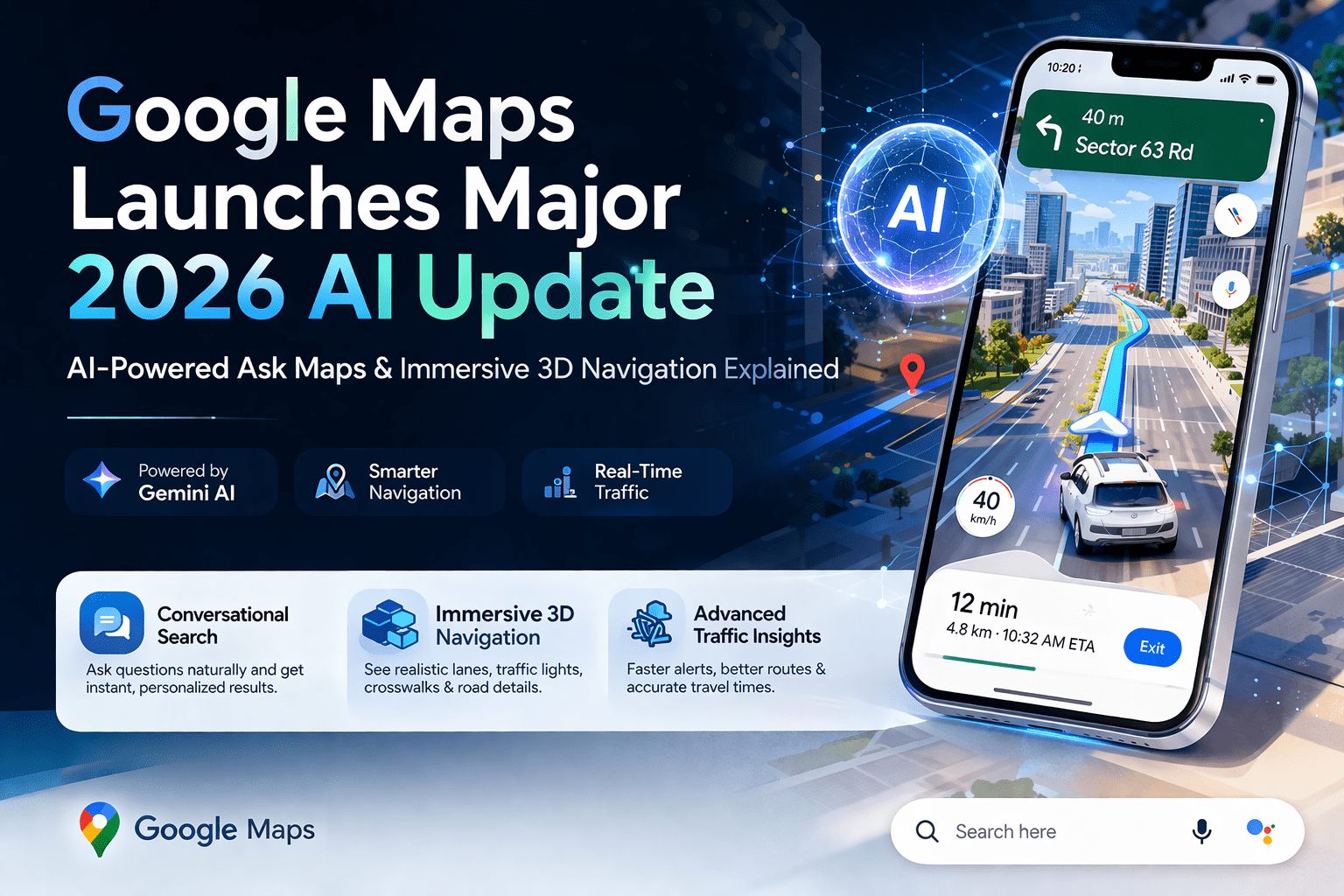

2026 Abstract Gold Line Topography Map Contour Royalty Free Vector 2026 61411715 2026 61411715 Maps Images Created On Craiyon VB6HDWYWTJOXFT0EZVKMRQ Google AI Update 2026 Ask Immersive 3D Navigation 2026 A Glowing Roadmap Features Milestones Labeled 2026 And Beyond 2026 Representing Future Planning Strategic Development Set 2026 Geometric Modern Typographic Design With Vibrant Purple 2026 2026 2026 61411718 2026 61411718 2026 Mountain Compass Adventure Graphic By Vibe Creative Fabrica 2026 Graphics 137905809 2026 137905809 World 2026 Defacto Borders Stock Photos Wooden Blocks Displaying Year Positioned Showcasing 418434704 Red Location Pin Marked The 2026 Placed Symbolizing Travel Blurred Background 417544889 2026 Showing Detailed Middle East Surrounding Regions Concept 417881181 ICONOGRAPHY MAPPING Behance F5437377946189 5c968dddcb739 F5437377946189 5c968dddcb739.