Q: What are the primary factors influencing fall foliage color changes?
A: The primary factors influencing fall foliage color changes are cooler temperatures, decreased daylight hours, and sufficient moisture throughout the growing season. Sunlight is also crucial; clear, crisp days and cool nights produce the most vibrant and brilliant hues. Droughts or early severe frosts can negatively impact the intensity and longevity of the autumn colors. These environmental conditions are meticulously monitored.
Q: How can I find lesser-known spots for leaf peeping using fall foliage maps?
A: To find lesser-known spots for leaf peeping, explore detailed fall foliage maps that often highlight state parks, national forests, and local byways beyond the most popular routes. Look for areas with diverse tree species and good road access. Consulting local tourism boards or online forums can also reveal hidden gems that provide equally stunning, less crowded views of the vibrant autumn colors. Delve deeper into map details.
Q: What is the ideal elevation for experiencing peak fall foliage?
A: The ideal elevation for experiencing peak fall foliage varies by latitude, but typically, higher elevations (above 2,000-3,000 feet) see color changes first, often in late September to early October. Colors then progress to mid-elevations and lower valleys as October advances. Monitoring fall foliage maps is essential as peak times depend on the specific mountain range and local microclimates. Plan your ascent strategically.
Q: Are there specific tree types that produce the most vibrant fall colors?
A: Yes, specific tree types are renowned for producing the most vibrant fall colors. Maple trees are famous for their brilliant reds and oranges, while oak trees contribute deep reds and russets. Aspen trees offer stunning golden yellows, and birch trees display bright yellows. The combination of these species in a given area creates a rich and diverse autumnal palette, enhancing the scenic beauty. Diverse trees mean diverse hues.
Q: How far in advance should I book accommodations for a fall foliage trip?
A: You should book accommodations for a fall foliage trip at least three to six months in advance, especially if you plan to visit popular New England or Blue Ridge Parkway destinations during peak season. Demand for lodging in these areas is exceptionally high, and rooms can sell out quickly. Early booking ensures better availability, competitive pricing, and a wider selection of preferred lodging options for your trip. Secure your stay early.
Anticipate breathtaking autumn journeys with comprehensive Fall Foliage Maps, your ultimate guide to vibrant leaf peeping across the United States. Discover trending routes and peak viewing times for an unforgettable experience, ensuring every turn brings a new splash of color. This navigational resource helps travelers plan their excursions effectively, highlighting the best scenic drives and picturesque destinations perfect for witnessing nature's seasonal artistry. Explore interactive features that predict color changes, pinpoint popular spots, and suggest lesser-known gems, allowing you to maximize your autumn adventure. Whether you are a seasoned leaf peeper or planning your first scenic drive, these maps provide essential informational insights for a truly spectacular journey. Stay informed about regional variations and enjoy the breathtaking beauty of the season.
Questions & answers
What factors cause leaves to change color in the fall?
Leaves change color in the fall primarily due to decreased daylight and cooler temperatures. This signals trees to stop producing chlorophyll, the green pigment. As chlorophyll breaks down, the underlying yellow and orange pigments (carotenoids and xanthophylls) become visible, while new red and purple pigments (anthocyanins) are produced in response to bright sunlight and cool nights.
Which regions in the US have the longest fall foliage seasons?
The Appalachian Mountains, stretching from New England down to Georgia, often offer the longest fall foliage seasons due to their varied elevations. Colors begin at higher altitudes in the north and gradually progress southward and to lower elevations, allowing for an extended period of vibrant viewing opportunities across different states. This geographical diversity prolongs the spectacle for travelers.
How accurate are most online fall foliage prediction maps?
Most online fall foliage prediction maps strive for high accuracy by integrating historical data, current weather conditions, and satellite imagery. While they provide excellent general guidance, localized factors like microclimates or sudden weather shifts can cause slight variations. Always cross-reference multiple sources and check local reports for the most precise, up-to-the-minute information closer to your travel dates.
What's the difference between 'peak' and 'near peak' fall foliage?
'Peak' fall foliage refers to the period when colors are at their most vibrant and widespread in a particular area, offering the most breathtaking views. 'Near peak' means colors are developing rapidly, with a significant amount of vibrant foliage already present, though not yet at its absolute maximum intensity. Both stages provide beautiful viewing experiences for autumn enthusiasts.
Can weather conditions affect the intensity of fall colors?
Absolutely, weather conditions significantly affect fall color intensity. A warm, wet spring, followed by a mild summer and a fall with sunny, dry days and cool (but not freezing) nights, typically produces the most brilliant colors. Drought or exceptionally warm autumns can dull colors or cause leaves to drop prematurely, impacting the overall visual spectacle.
Are there specific types of fall foliage maps for hikers versus drivers?
Yes, some fall foliage maps cater specifically to hikers, highlighting trails, viewpoints, and elevation changes, while others are optimized for drivers, focusing on scenic byways, road conditions, and accessible overlooks. Many general maps offer filters to toggle between these preferences, allowing users to customize their leaf-peeping experience based on their preferred mode of exploration. Choose maps fitting your adventure style.
How far south can one reliably see strong fall foliage in the US?
You can reliably see strong fall foliage quite far south in the US, particularly in mountainous regions like the Appalachian foothills of northern Georgia and Alabama, or even parts of Texas and Arizona with specific tree populations. Peak colors occur later, typically in early to mid-November, providing a beautiful extended autumn. These southern displays often offer a different, but equally captivating, palette.
Are you wondering which fall foliage maps truly help you find the most brilliant autumn colors across the United States? As the crisp air signals the approach of autumn, millions of travelers start dreaming of vibrant landscapes, planning their escapes to witness nature’s spectacular show. Many people search for the best resources to guide their leaf-peeping adventures, hoping to capture those perfect picturesque moments. These digital tools are evolving constantly, becoming more predictive and user-friendly, ensuring you do not miss the peak beauty of the season this year.
Navigating Nature's Canvas: Fall Foliage Maps Explained
Understanding the science behind the stunning transformation of leaves helps appreciate why accurate forecasting is so crucial for any leaf peeper. The vivid yellows, oranges, and fiery reds we adore are influenced by a complex interplay of sunlight, temperature, and moisture levels throughout the growing season. Early frosts or droughts can significantly impact the intensity and duration of the fall display, making reliable information invaluable for planning travel. Knowing these factors empowers travelers to make informed decisions about when and where to embark on their scenic journeys.
The Rise of Predictive Fall Foliage Maps
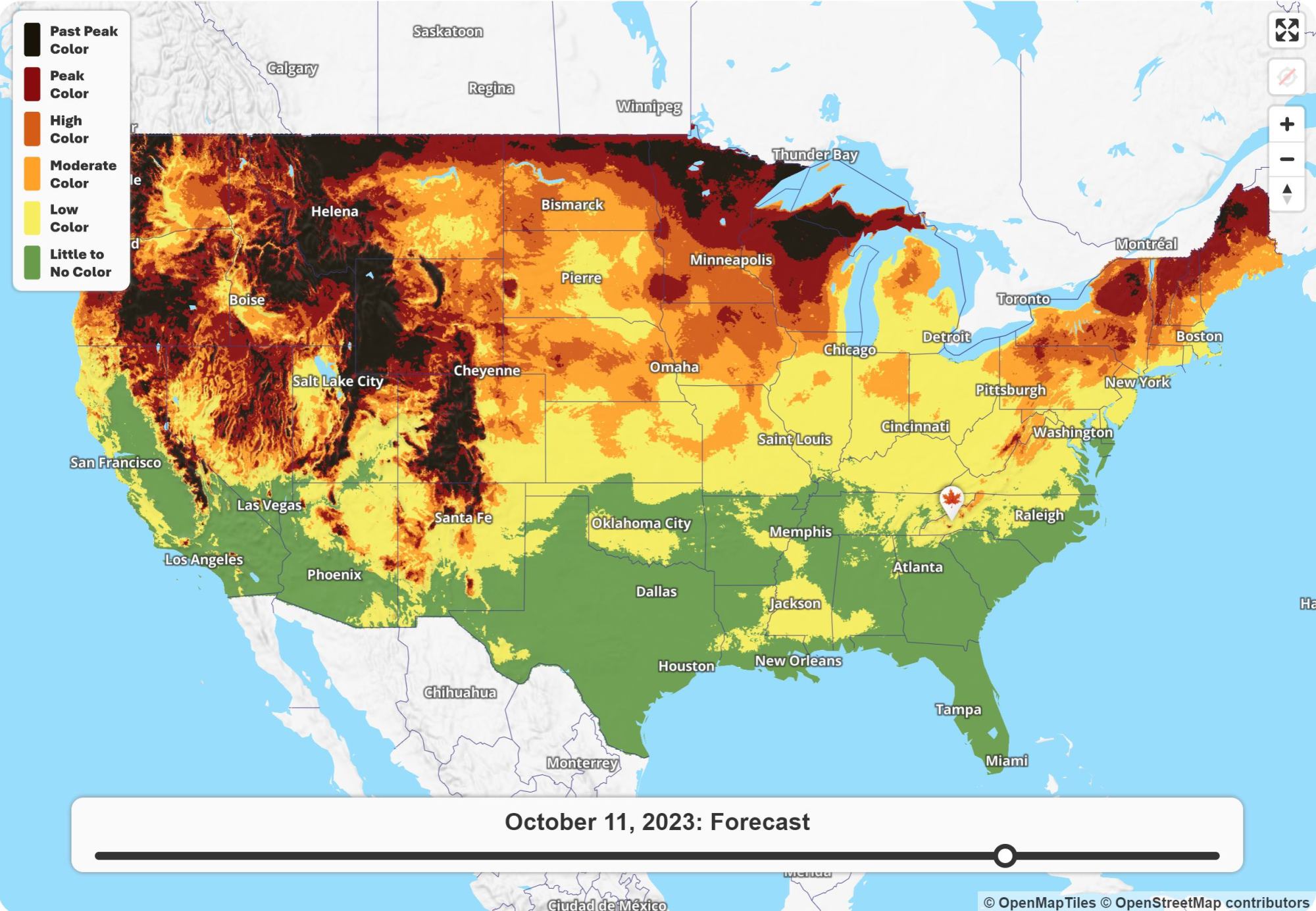
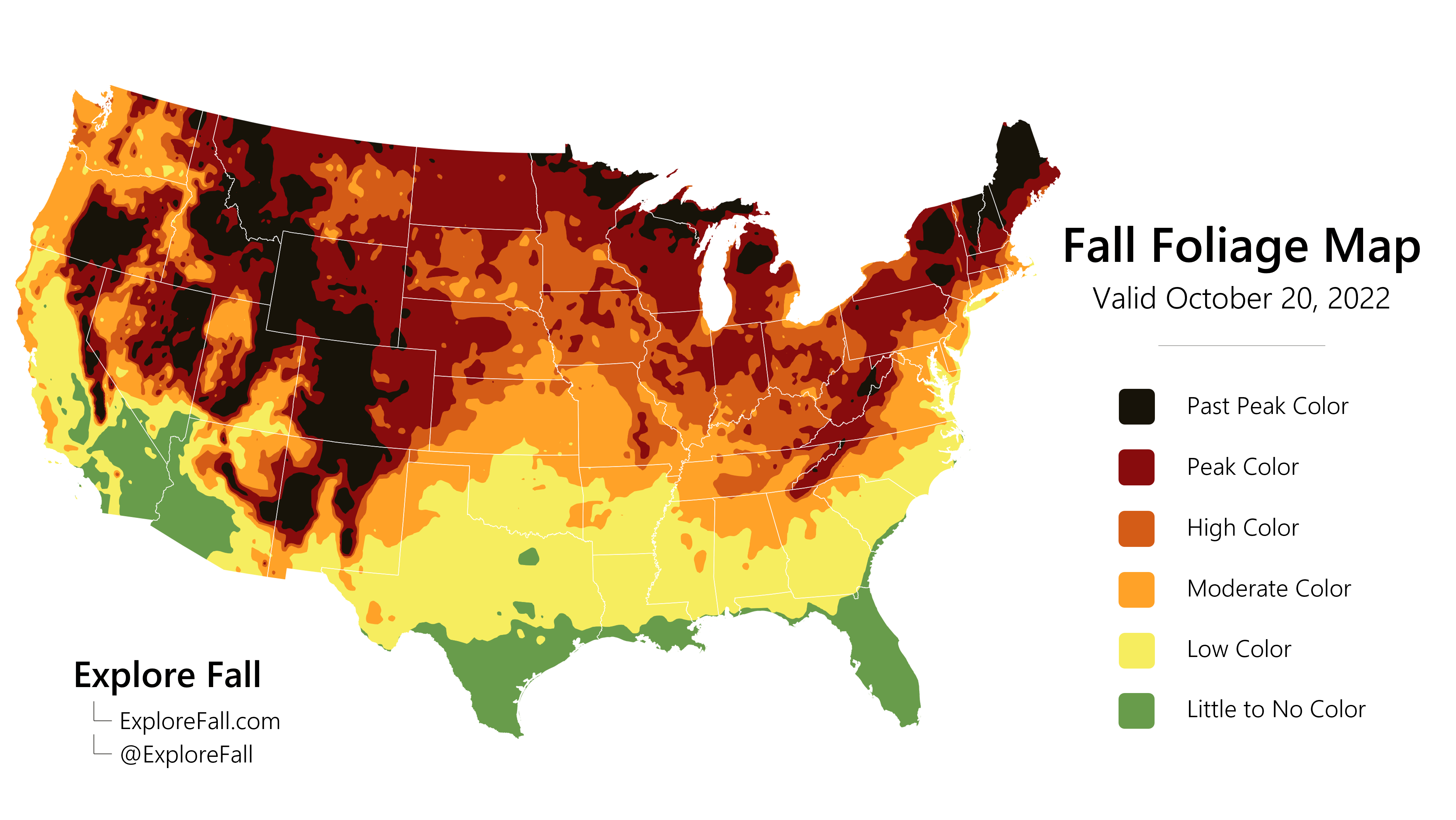
Modern fall foliage maps leverage advanced satellite imagery, weather patterns, and historical data to provide incredibly accurate predictions for peak color periods. These sophisticated algorithms analyze current conditions, offering weekly updates that help travelers pinpoint the best times to visit specific regions. For 2026, expect even greater precision and more localized forecasts, enabling you to tailor your itinerary with unprecedented confidence. These technological advancements mean less guesswork and more guaranteed breathtaking views for everyone.
Top Regions for Spectacular 2026 Fall Colors
The Appalachian Mountains, from New England down through North Carolina, consistently offer some of the most iconic and dramatic fall foliage displays in the entire country. Regions like Vermont, New Hampshire, and upstate New York are perennially popular for their stunning maple and oak forests, drawing visitors from around the globe. Further west, destinations such as Colorado’s Aspen groves or the Pacific Northwest’s vibrant vine maples also provide unique and equally breathtaking autumnal experiences. Each area boasts distinct tree species contributing to a diverse palette of colors.
- New England's historic byways reveal quintessential autumn scenes.
- The Blue Ridge Parkway provides miles of uninterrupted scenic beauty.
- Rocky Mountain National Park features golden aspens against rugged peaks.
- Michigan's Upper Peninsula offers stunning lakeside color contrasts.
- The Columbia River Gorge showcases unique Pacific Northwest hues.
Planning Your Perfect Leaf Peeping Adventure
Successfully planning your fall foliage trip involves more than just knowing where the colors will be best; it also requires considering travel logistics and accommodation. Booking your lodging and popular tours well in advance is always recommended, especially during peak seasons when demand is exceptionally high. Utilize online resources to check local events, road conditions, and any potential park entrance requirements, ensuring a smooth and enjoyable journey. Always remember to pack layers of clothing for fluctuating autumn temperatures.
For an optimal experience, consider traveling during weekdays to avoid weekend crowds, particularly at popular viewpoints and along famous scenic routes. Research local dining options and charming small towns that often host autumn festivals, adding another delightful layer to your trip. Many areas offer guided tours or designated hiking trails that provide immersive opportunities to enjoy the fall beauty up close. Creating a flexible itinerary allows for spontaneous discoveries and adapting to any unexpected weather changes.
What Others Are Asking?
When is the best time to see fall foliage in the US?
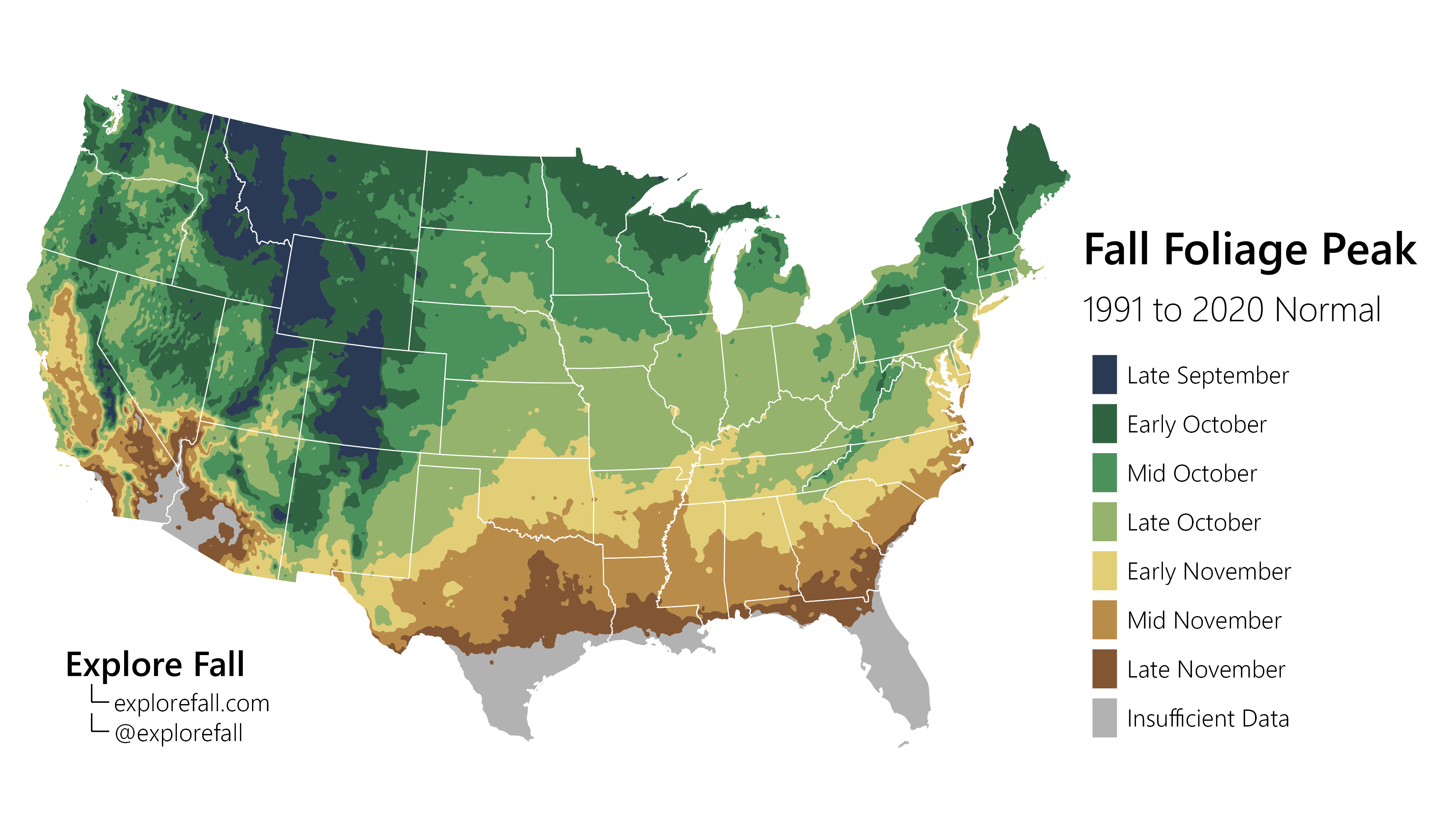
The best time to see fall foliage in the US varies significantly by region, generally starting in late September in northern states and higher elevations, peaking in mid-October across many central areas, and extending into early November in the southern states. Consulting a 2026 fall foliage map is crucial for precise, up-to-date regional predictions. These maps offer real-time updates based on current weather conditions and historical data, guiding you to peak color. Always check local forecasts.
How do fall foliage maps predict peak colors?
Fall foliage maps predict peak colors by analyzing several factors, including historical data, current weather patterns, elevation, and tree species distribution. Advanced algorithms process information like temperature, rainfall, and sunlight hours to forecast when leaves will change and reach their most vibrant hues. Satellite imagery and local reports contribute to these predictions, offering a comprehensive and updated view. This scientific approach ensures accuracy for travelers.
Which states offer the most stunning fall foliage experiences?
States renowned for stunning fall foliage experiences include Vermont, New Hampshire, Maine, and New York in the Northeast, known for their brilliant maples. In the Southeast, North Carolina and Tennessee, particularly along the Blue Ridge Parkway, offer spectacular mountain vistas. Colorado boasts golden aspen groves, while Michigan's Upper Peninsula provides vibrant lakeside views. These diverse regions promise unforgettable autumn displays for visitors.
Are there interactive fall foliage maps available for mobile?
Yes, numerous interactive fall foliage maps are available for mobile devices, often accessible through dedicated apps or responsive websites. These maps provide real-time updates, color predictions, and specific route recommendations. Many include features like GPS navigation, points of interest, and user-generated photos to enhance your leaf-peeping experience. These mobile-friendly resources make planning and navigating your autumn adventure incredibly convenient, even on the go.
What are the best scenic drives for viewing fall colors?
The best scenic drives for viewing fall colors include Vermont's Route 100, the Blue Ridge Parkway spanning Virginia and North Carolina, and New York's Adirondack Scenic Byway. In the Midwest, Michigan's M-22 offers stunning Great Lakes views with autumn hues. Colorado’s Dallas Divide near Telluride showcases golden aspens against majestic peaks, providing diverse and breathtaking routes for an unforgettable autumn journey.
Final Thoughts on Fall Foliage Maps
Utilizing current fall foliage maps is undoubtedly the most effective way to plan an awe-inspiring leaf-peeping adventure, ensuring you arrive precisely when the autumn colors are at their most brilliant. These valuable resources empower travelers to discover the best routes and peak viewing times for an unforgettable experience, making every journey a vivid memory. What new autumn destination are you hoping to explore this season, and what natural wonder do you look forward to witnessing most?
Key highlights
Detailed routes for prime leaf peeping, peak color forecasts for 2026, interactive map features, top US destinations, travel planning resources, scenic drive recommendations, regional color change predictions, hidden gem locations.
In pictures

Best Fall Foliage Maps For Tracking Leaf Color Forecasts In 2026 Peak Forecast Map Petapixel 2026 Current Us New England Explore Interactive Fc National Overview Usa Example The Ultimate Cover Photo When Is 2026 Autumn 2026 Prediction 2023 Predicted Nov 2023 Home Ex Last Call Peepers Use This 2025 To See Where B56E06C0 8cc8 11f0 Beed DD59CD1F5D18 B56E06C0 8cc8 11f0 DD59CD1F5D18 2026 Of Vermont 62bbaf3a38ca5254a5b06f9eceae1797 Avg.


2025 Leaf Peeping When Fall Colors Will Peak Across The US 0a50f790 8f41 11f0 Bfbd B4F85232CEAD 0a50f790 8f41 11f0 B4F85232CEAD This Interactive Foliage Map Tell You Exactly And Where TAL FALLFOLIAGEMAG0925 BF9D6589F63048F6BDE1E9968F6877FB FALLFOLIAGEMAG0925 BF9D6589F63048F6BDE1E9968F6877FB Maps That Predict 2025 Color Explorefall Predicts Appear 61999221 Image A 1662137291294 61999221 1662137291294 Shows Leaves Start Changing 38d6adeeecff031ba93541d316cb90c7 In 2025 01K4DBW0J454Y80ANVJR Prediction Predicted Oct Best For Tracking Forecasts 2026 Screen Shot 2014 At PM 2014 2025 Weather Changes To Expect October Com 2025 2025 2025 Pennsylvania FGRA 7D5GQGLKRJHKXHKSZSTXUQ5RXY 2025 Forecast New England A6B6C228 998C 4778 B9B9 FBE53EB24ABE A6B6C228 998C 4778 B9B9 FBE53EB24ABE.


2025 Fall Foliage Tracker Map 1991 To 2020 Normal Peak 1991 2020 This Interactive Will Help You Plan The Perfect Getaway October Prediction 090622 B7CC310EDAE54D2993F244E7051DC042 090622 B7CC310EDAE54D2993F244E7051DC042 Maps 2026 Peterreinold Com 2020 Scaled 2020 2025 Reveal When And Where Leaf Colors Vibrancy Photo Accuweather 2025 New England Forecast GSET Japan Autumn Leaves 2026 All About 1746781096575910 How FLIPBOARD Can Assist 09082023 Fallmap Promo 09082023 Oregon Latest Starting Turn In 2019 2024 Ma 2024 Massachusetts 66F43F729888F 2024 66F43F729888F Rvers Now Peeping Trips Folliage Hipcamp Nc 2025 CZZMRF5UVZGFDBS2XYYNN6QNRY.